




Focus - Innovations
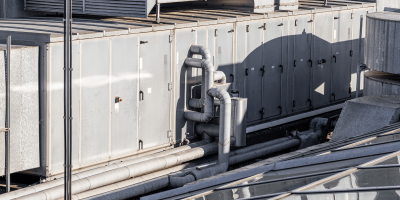
Modern refrigeration is evolving from a conservation technology to a strategic infrastructure for supply chains, sustainability, and business continuity.
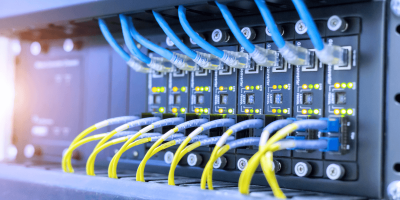
AI is accelerating the evolution of data center cooling, including liquid cooling, low-GWP refrigerants, and new thermal architectures.

Remote monitoring and predictive maintenance are transforming the management of industrial refrigeration systems.
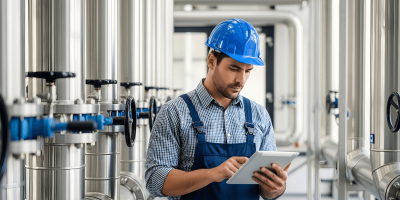
Continuous monitoring is transforming refrigeration maintenance, making it more predictive, efficient, and data-driven.
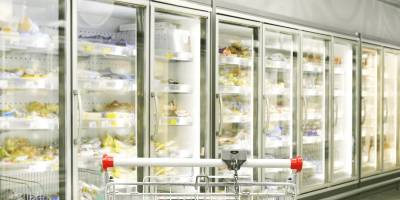
Magnetocaloric cooling is entering the HVAC/R market as a refrigerant-free alternative, offering new opportunities for efficiency and design.
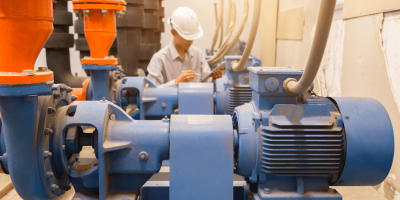
The technological options for low-GWP commercial refrigeration are growing: CO₂, R-290 and A2L in various system architectures.
Natural refrigerants are growing globally, marking a transition to a mature phase in the HVAC/R industry.

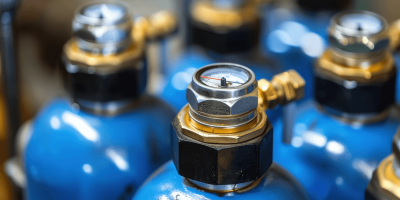
CO₂ refrigeration is establishing itself as an efficient and sustainable solution for the refrigeration sector, thanks to its energy, economic and regulatory advantages.
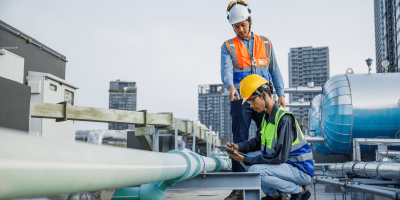
A2L refrigerants offer a concrete solution to reduce GWP, ensuring operational continuity and safety management in refrigeration.

The CoolLIFE project introduces an integrated approach to cooling, focusing on demand-side management and interconnected energy systems.
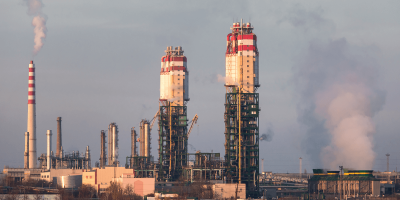
Ammonia refrigeration, which has been around for over a century, continues to evolve as an efficient and sustainable solution for industrial refrigeration.
