




R290 heat pumps: efficiency, sustainability, and compatibility with radiators
R290 heat pumps: high temperatures, high efficiency, and radiator compatibility, for sustainable solutions in the HVAC/R sector.
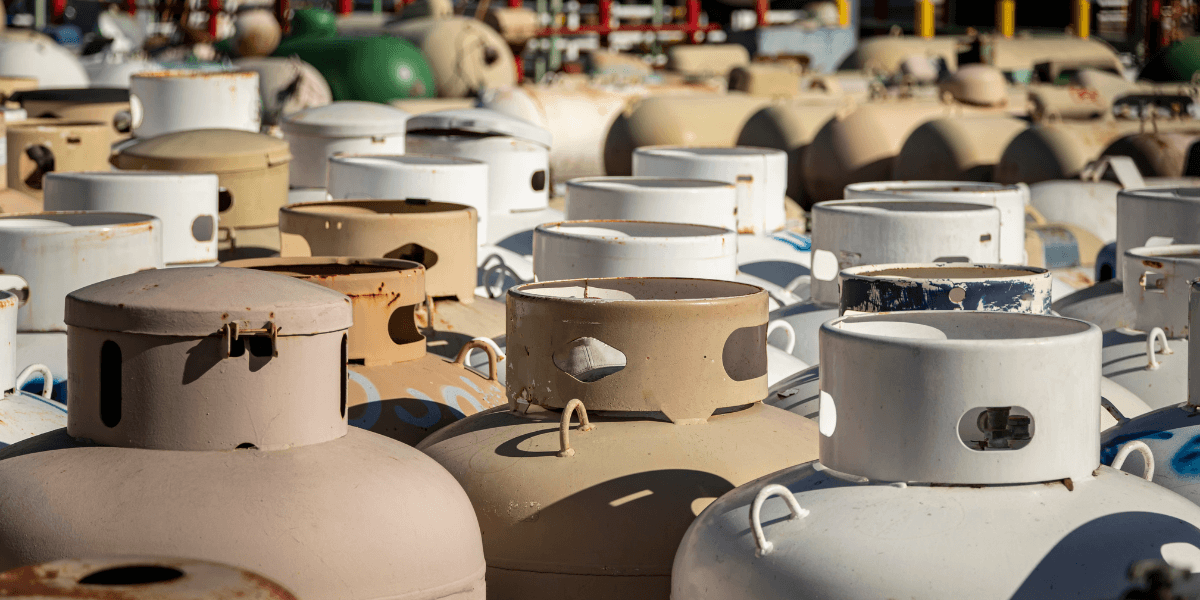
The growing focus on sustainability and GWP reduction is leading heat pumps to increasingly use natural refrigerants such as R290 (propane) .
This solution not only reduces the environmental impact compared to traditional synthetic refrigerants, but also offers superior thermodynamic performance , allowing for high delivery temperatures without compromising efficiency. Thanks to its nature, propane can be used to power existing heating systems , such as traditional radiators, without requiring complex system interventions . This represents a significant advantage for both residential and light commercial installations, where boiler replacement can be integrated without invasive modifications, combining thermal comfort, energy efficiency, and environmental sustainability.
Using R290 in heat pumps also allows for optimized thermodynamic cycles , with inverter compressors and advanced control systems that modulate power based on actual room demand. This approach reduces energy waste, minimizes consumption peaks, and ensures longer system life , offering added value to both end users and HVAC/R installers and designers.
Integration with existing systems and compatibility with radiators
A key aspect of adopting R290 heat pumps is their compatibility with existing heating systems , particularly traditional radiators. Thanks to their ability to produce water at high temperatures, these systems allow gas boilers to be replaced without having to downsize the heating elements, ensuring immediate comfort. Integration is supported by advanced digital control systems , which constantly monitor operating conditions and dynamically adjust heat production, optimizing efficiency and reducing consumption.
This combination of high performance and system compatibility makes R290 heat pumps ideal for both retrofits and new systems. Furthermore, the system's modularity allows the available power to be adapted to the size of the building, improving design flexibility and ensuring a faster return on investment, thanks to reduced energy consumption and sustainability incentives.
Environmental benefits and advantages for the HVAC/R supply chain
The main advantage of propane is its extremely low GWP , making it compliant with international HFC phase-down regulations and European decarbonization targets. Its high energy efficiency and ability to produce high temperatures lead to a significant reduction in electricity consumption, with a direct impact on utility bills and system operating costs. For the HVAC/R industry, the adoption of R290 represents a strategic opportunity, offering:
- Significant reduction in greenhouse gas emissions , with a concrete contribution to sustainability objectives;
- High seasonal efficiency , thanks to dynamic compressor modulation and optimised cycles;
- Compatibility with existing radiators and systems , facilitating retrofitting without invasive modifications;
- Hybrid systems and integration with renewables , combining heat pumps with storage and intelligent consumption management;
- Economic and competitive advantages for installers and designers , who can offer high-performance and sustainable solutions to end customers.
These benefits make propane not only an environmentally responsible choice, but also an economically advantageous one for the industry.
Safety, training and operational management
Despite being a natural refrigerant, propane is classified as Class A3 (slightly flammable), and operational safety is a key concern. The HVAC/R supply chain must ensure rigorous procedures, certified components, and specialized training for technicians and installers, ensuring high standards of reliability and safety are maintained.
In this context, training becomes a strategic factor to ensure that R290 heat pumps are installed correctly, operate efficiently and comply with all current regulations.

Related Focus


FAQ – Domande frequenti
R290 heat pumps use propane, a natural refrigerant with a very low GWP, reducing the environmental impact compared to traditional HFCs. Furthermore, thanks to the fluid's high thermodynamic efficiency, they reduce electricity consumption and operating costs in residential, commercial, and industrial buildings, supporting the energy transition and decarbonization.
R290 can be integrated into compact heat pumps or retrofitted into existing systems, provided the terminals and circuits are compatible with low flow temperatures. Retrofitting traditional radiators may require high-temperature heat pumps or hybrid systems to ensure comfort, efficiency, and continuity of service.
Thanks to the thermodynamic properties of propane, R290 heat pumps offer high coefficients of performance (COP) even at low outdoor temperatures. This improves seasonal efficiency, reduces electricity demand, and allows for significant energy cost savings compared to systems with HFCs or traditional boilers, while maintaining stable comfort.
