




Food refrigeration: new technologies without magnetic fields
Refrigeration without magnetic fields promises efficiency and sustainability for food preservation, reducing refrigerant gases and energy consumption.
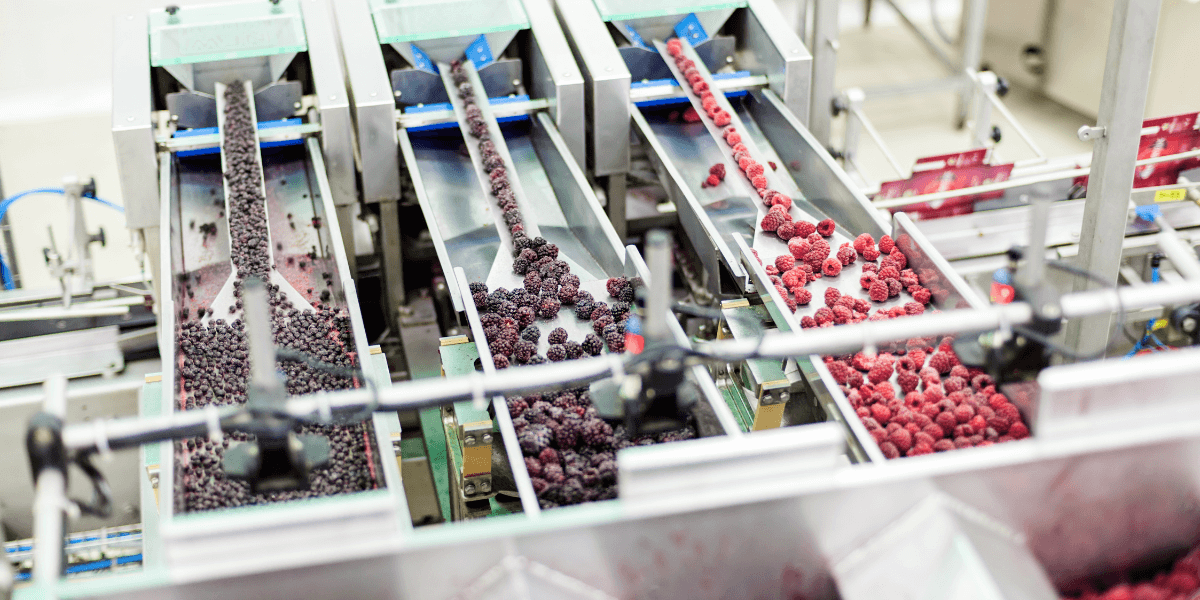
The food industry is undergoing a technological transformation , driven by the need to ensure safety, product quality, and environmental sustainability. Among the most promising emerging technologies is magnetic-free refrigeration , which represents a completely new approach compared to traditional compression or thermodynamic cycle systems. Although still in the research and development phase , this technology offers the opportunity to significantly reduce the use of conventional high-GWP refrigerants , improve energy efficiency , and increase thermal stability in the preservation of fresh and perishable foods.
This innovation isn't just about saving energy or reducing emissions: magnetic-free refrigeration could transform the way we think about the cold chain, opening up scenarios where industrial processes, logistics, and storage are more sustainable and less dependent on traditional refrigerants . The food industry, in particular, could benefit from greater uniformity in storage, reducing waste and losses and ensuring higher quality standards.
Physical principles and operation of the technology
The operation of magnetic-free refrigeration is based on alternative physical phenomena to traditional thermodynamic cycles, such as the use of magnetocaloric effects or other physical properties of refrigerant materials . These systems allow temperature to be modulated without the need for traditional compressors or large quantities of refrigerant fluids. Experimental prototypes have demonstrated the possibility of achieving controlled and uniform cooling, ideal for sensitive products such as meat, dairy products, fruits, and vegetables, with the potential to reduce electricity consumption compared to conventional systems.
While the technology is not yet ready for large-scale commercialization, it could be integrated with traditional or hybrid systems in the future, combining operational and environmental benefits. For example, it could be used in central warehouses, storage laboratories, or refrigerated transport systems, allowing energy consumption to be optimized based on product characteristics and environmental conditions.
Environmental benefits and impacts
The advantages of non-magnetic refrigeration go far beyond simple cooling. Among the main benefits are:
- Reduction of emissions of high-GWP refrigerant gases , contributing to global decarbonisation goals;
- Higher energy efficiency , with lower electrical consumption and less impact on the grid;
- Precise temperature control , essential for food safety and product quality;
- Reduction of waste and spoiled products , thanks to improved thermal stability;
- Possibility of integration with heat pump systems or hybrid systems , increasing operational flexibility;
- Support industrial sustainability strategies , reducing the overall environmental footprint of the food supply chain.
These benefits make the technology attractive not only from an environmental perspective, but also from an economic one: lower consumption and reduced refrigerant gases translate into lower operating costs and greater competitiveness for food companies and cold storage logistics operators.
Implications for the HVAC/R supply chain
The arrival of such innovative technologies requires skill updates throughout the HVAC/R supply chain. Designers, maintenance technicians, and installers will need to acquire knowledge of new physical principles, operational safety, and alternative system management methods. Training is therefore essential to ensure safe, efficient, and sustainable operations, ensuring that innovations are applied correctly and can truly contribute to a greener and more resilient supply chain.
In addition to technical training, the dissemination of these technologies could spur the creation of new operational standards and guidelines, encouraging the widespread adoption of sustainable practices in the food sector and industrial applications. Looking ahead, alternative refrigeration systems like this represent a significant step toward a more efficient, safer, and climate-friendly cold chain.

Related Focus



FAQ – Domande frequenti
These technologies allow products to be cooled or frozen without the use of traditional compressors and gas cycles, reducing electricity consumption and refrigerant gas emissions. The absence of magnetic fields makes the systems safer in sensitive environments, such as laboratories, clean rooms, or food processing plants, and reduces wear on mechanical components, increasing the system's reliability and longevity.
They offer greater energy efficiency, less maintenance, no refrigerant leaks, and reduced risks associated with handling flammable or toxic gases. Furthermore, their magnetic-free technology prevents electromagnetic interference and allows operation near sensitive instruments or critical electronic equipment without compromising performance or thermal comfort.
They are particularly suitable for storage cells, food laboratories, clean rooms, refrigerated warehouses, and process plants where safety, operational continuity, and energy efficiency are crucial. Supermarkets or retail outlets requiring quiet operation and reduced risk of refrigerant leaks can also benefit from these solutions.
