




Focus - Innovations
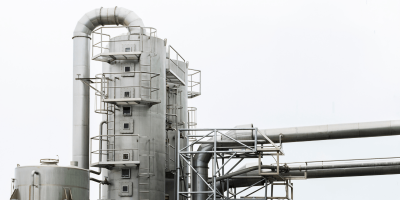
Gas coolers, parallel compression, and advanced control allow transcritical CO₂ systems to maintain efficiency even in the hottest climates.
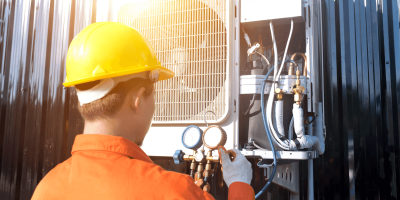
The ejector can improve the efficiency of R744 systems for refrigerated transport, especially at high outside temperatures.
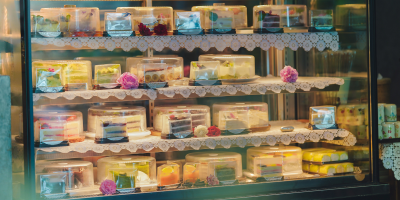
CO₂ is also opening up to small retail outlets, thanks to more compact units, advanced controls and an F-Gas framework oriented towards increasingly lower GWPs.
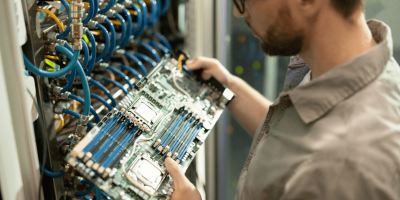
AI and high-density racks are transforming data center cooling, including liquid cooling, modulation, heat recovery, and efficiency.
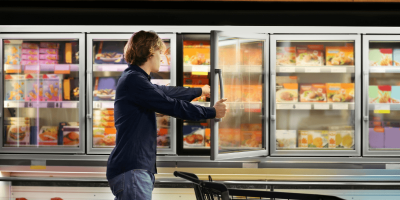
CO₂, distributed systems, and intelligent controls are reshaping supermarket refrigeration.
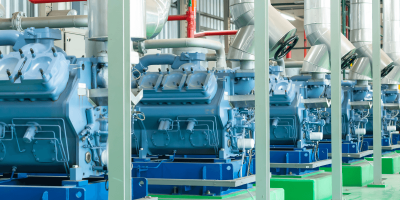
Elastocaloric cooling can use waste heat to produce cold without an electric compressor, opening up new perspectives for cooling.
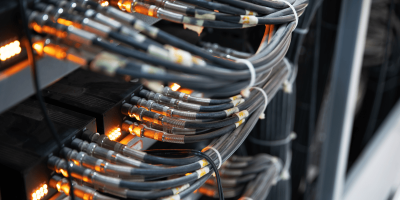
Liquid cooling and higher thermal densities make the choice between dry coolers, towers, adiabatic systems, and chillers crucial in data centers.
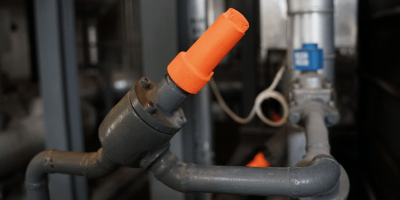
Air, water, and contaminants can reduce the efficiency of ammonia systems: preventing them helps reduce consumption and anomalies.
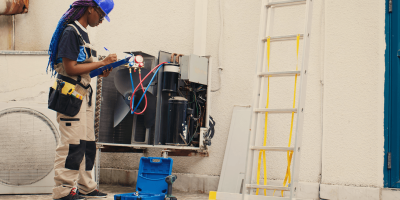
A2L and R290 respond to different needs: safety, charge, GWP and system configuration determine the choice in commercial refrigeration.
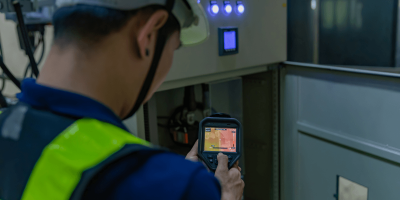
Switching to CO₂ and ammonia requires reviewing sensors, calibration, alarm thresholds, and cold room mapping.
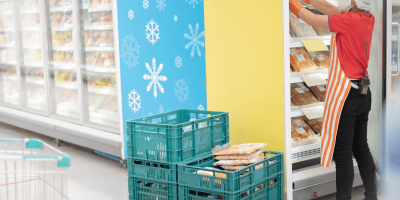
Energy, refrigerants, and digital controls are transforming the design and management of refrigeration in food retail.
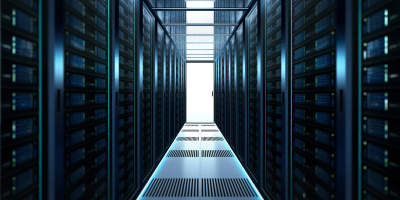
Data center cooling in Italy requires advanced HVAC systems, digital monitoring, and integration with renewable energy for efficiency, continuity, and sustainability.
