



R718 in industrial heat pumps: Can water become a high-temperature refrigerant?
R718 water shows interesting potential in high-temperature industrial heat pumps, but significant technological challenges remain.
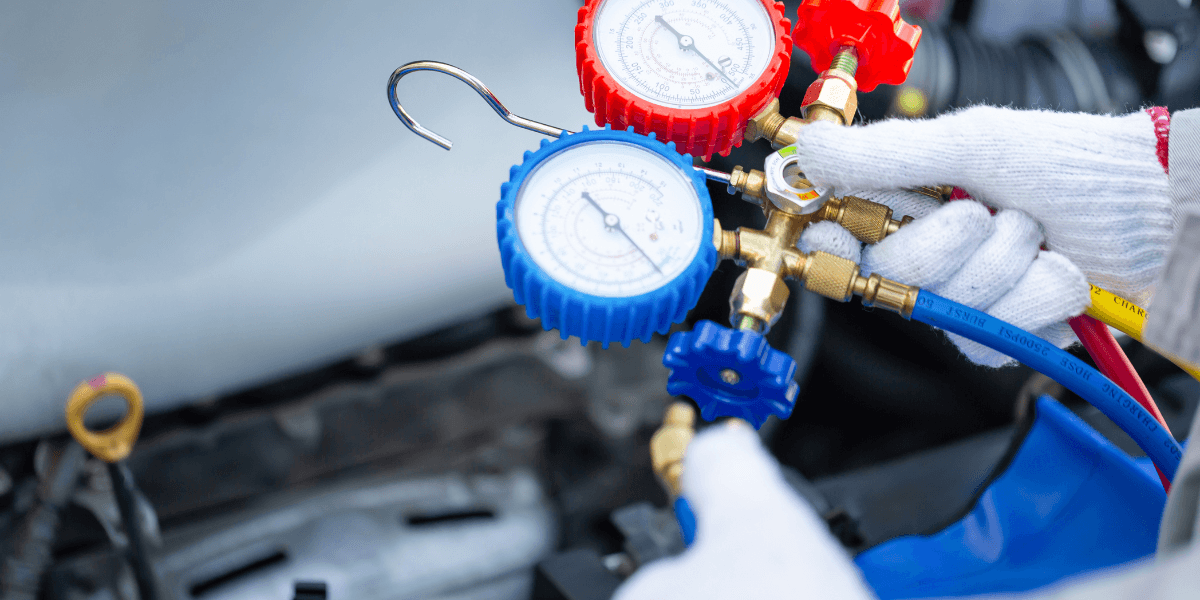
Water could also play an increasingly interesting role as a refrigerant in high-temperature industrial heat pumps . Identified by the acronym R718, it has particularly favorable environmental characteristics: zero GWP, non-toxicity and non-flammability, and widespread availability.
A recent analysis has collected theoretical studies, simulations, experiments, and prototypes dedicated to the use of R718 in heat pumps capable of providing heat at temperatures above 100°C and, in some analyzed configurations, up to approximately 250°C . This topic is particularly relevant for industry, where a significant portion of energy demand is still tied to heat generation using fossil fuels.
Recover waste heat and bring it to temperatures useful for processes
High-temperature industrial heat pumps allow for the recovery of thermal energy available at relatively low levels and its temperature to be raised until it is reusable in production processes. In this scenario, R718 exhibits particularly interesting thermodynamic characteristics when condensing temperatures increase.
The review published in 2026 reports, across the various studies examined, COPs ranging approximately between 1.3 and 6 for outlet temperatures between 130 and 250°C , with results strongly dependent on the cycle configuration, temperature difference, and compression technology used. Other comparative analyses have highlighted favorable performance of water compared to various low-GWP refrigerants when operating at high temperatures.
The configurations under consideration include multistage systems and cascade cycles, also in combination with other low-GWP refrigerants. Potentially interesting applications include the food, chemical, paper and pulp industries, and processes requiring high-temperature heat , as well as some uses in thermal networks. The advantage is the possibility of electrifying a portion of the process heat, recovering energy that, without the heat pump, would otherwise be wasted.
The main limitation of R718 is in the vapor compression
The characteristics that make water interesting from an environmental point of view do not, however, mean that it is easy to use as a coolant.
One of the main obstacles is related to the low vapor pressure and high specific volume , which require the compressor to handle very high volumetric flow rates. Consequently, an R718 heat pump requires different compression technologies and architectures than those commonly used with other refrigerants.
Research is evaluating solutions based on twin-screw compressors, centrifugal compressors, turbochargers, and multistage configurations , often with intercooling or water injection systems to improve operating conditions. R718 systems must also address issues such as high discharge temperatures, precise superheat control, material compatibility, corrosion, sealing, and oil management.
It is precisely on these components that a significant portion of technological development is concentrated today: the thermodynamic potential of water is high, but to translate it into commercial applications, machines capable of effectively managing operating conditions very different from those of traditional heat pumps are needed.
R718 is especially interesting where high temperatures are needed
The potential application space for R718 therefore seems to be concentrated above all in industrial processes in which it is necessary to reach temperatures higher than those normally required in heating buildings .
Water can offer competitive performance precisely as the required temperature increases, while multistage and cascade configurations can address higher temperature differences. Furthermore, for some industrial scenarios analyzed, attractive economic prospects exist, with estimated payback periods in the order of a few years; however, these results are highly dependent on operating conditions, energy costs, and the availability of waste heat.
For industrial refrigeration designers and operators, R718 therefore represents a technology to watch, especially in the context of process heat decarbonization . It is not yet a universally applicable solution: compressors, materials, cycle control, and commercial-scale demonstrations remain aspects to be developed. But the possibility of directly using water as a refrigerant, reaching temperatures of up to approximately 250°C in advanced configurations, opens up an interesting avenue for future industrial heat pumps.
Related Focus


FAQ – Domande frequenti
The acronym R718 identifies water as a refrigerant. It has a zero GWP, is nonflammable and nontoxic, and is increasingly being researched for applications in high-temperature industrial heat pumps.
Studies analyzed in recent scientific literature examine R718 systems designed to produce heat above 100°C and up to approximately 250°C, depending on the cycle architecture and operating conditions.
The main challenges include the high specific volume of steam, the volumetric flow rates required by the compressors, the high discharge temperatures, and the management of materials, sealing, and cycle control. For this reason, multistage configurations and specifically designed compressors are being studied.
