




Low GWP Refrigerants: The Role of Lubricants in Plant Reliability
With low GWP refrigerants, compatibility between lubricant and compressor becomes crucial for the efficiency, safety and longevity of the systems.
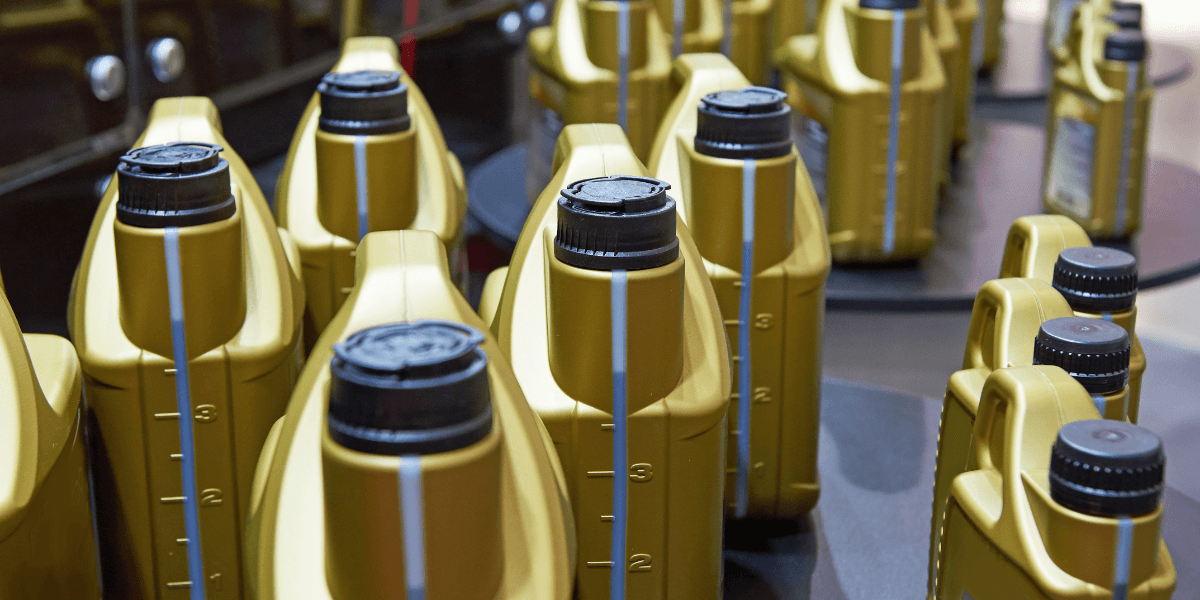
The transition to low-GWP refrigerants is profoundly changing the design and management of HVAC/R systems. The progressive replacement of traditional HFCs with new blends, natural refrigerants, and solutions with lower climate impact not only affects the gas used in the circuit, but also components, compressors, operating conditions, and lubricating fluids.
An often less visible but crucial aspect for the continued operation of systems is the compatibility between refrigerant and lubricant . New chemistries introduced to reduce GWP can interact differently with the oils used in compressors; incompatible formulations can cause premature wear, loss of efficiency and , in the most critical cases, early equipment failure .
New refrigerant chemistries, new demands on compressors
In recent years, the HVAC/R market has shifted toward refrigerants with a lower climate impact, driven by increasingly stringent regulations and environmental targets. Solutions include refrigerants such as R-454B, R-32, HFO blends, and natural refrigerants such as hydrocarbons and CO₂ , with lower GWP values than many historically used HFCs.
This evolution, however, is not neutral from a technical standpoint. Each refrigerant has specific chemical and physical characteristics , which influence the behavior of the system and the way the lubricant works within the circuit. The compressor , the heart of the refrigeration cycle, requires adequate lubrication to protect its metal parts, reduce friction, and maintain stable performance over time.
For this reason, when choosing fluids, it is not enough to consider only the refrigerant itself . It is necessary to evaluate the overall interaction between compressor type, application conditions, workloads, operating temperatures, and lubricant characteristics.
Miscibility and viscosity: why compatibility is crucial
One of the most important parameters is miscibility , i.e., the lubricant's ability to mix properly with the refrigerant under the conditions expected from the application. If this interaction is inadequate, changes in viscosity can occur and the lubricant's ability to protect the compressor's metal surfaces can be reduced.
The consequences can directly impact the reliability of the system :
- increased wear of the compressor's internal components;
- reduction in operational efficiency;
- oil return problems in the circuit;
- unstable performance under extreme thermal conditions;
- risk of premature failure and higher maintenance costs.
Environmental and application conditions also play a significant role. High temperatures can increase stress on the compressor and lubricant, while very cold environments can generate critical issues related to fluid flow and viscosity. Therefore, lubricant formulation must be optimized not only for the refrigerant used, but also for the actual operating environment.
From design to maintenance: a technical choice not to be underestimated
Proper lubricant selection requires a thorough technical evaluation. There is no single specification that fits all applications, as requirements vary based on the type of compressor, the refrigerant used, the system design, and the operating conditions. For OEMs, collaborating with lubricant suppliers allows them to develop dedicated formulations, designed to meet the specific characteristics of the application.
For installers, maintenance technicians, and end users, however, it is essential to adhere to the fluids specified by the manufacturer. The OEM's specifications and the equipment's warranty information remain the primary reference for ensuring the safety, durability, and proper operation of the system.
With the advancement of low-GWP refrigerants, lubricants are taking on an increasingly strategic role. They are no longer a secondary component of the system, but a technical variable that can impact the compressor's useful life and service continuity. For professional refrigeration, where reliability and performance are essential, refrigerant-oil compatibility becomes an integral part of the transition to more sustainable systems.

Related Focus



FAQ – Domande frequenti
The main critical issues concern miscibility, thermal stability, and chemical behavior of lubricants in the presence of new refrigerants. Some low-GWP fluids can affect viscosity, oil return, and moisture resistance, increasing the risk of component degradation or wear. Furthermore, in systems with flammable or high-pressure natural refrigerants, the wrong lubricant choice can compromise both energy efficiency and operational safety.
A properly selected lubricant reduces friction, improves the protection of mechanical components, and promotes proper oil return to the refrigeration circuit. This helps maintain high energy performance and reduce the risk of system failures or downtime. Conversely, incompatibilities between refrigerant and lubricant can cause compressor deterioration, deposit formation, and a loss of efficiency throughout the system's lifecycle.
Lubricants play a key role, especially in heat pumps, commercial refrigeration, and industrial systems using low-GWP refrigerants such as HFO, R290, or CO₂. In these systems, compatibility between refrigerant, oil, and refrigeration components is crucial to ensuring reliability, efficiency, and operational life. Applications with high discharge temperatures or variable operating conditions require specifically formulated lubricants to maintain chemical stability and proper compressor lubrication.
