




Modern Refrigeration: Cold Becomes a Strategic Infrastructure for Economy and Sustainability
Modern refrigeration is evolving from a conservation technology to a strategic infrastructure for supply chains, sustainability, and business continuity.
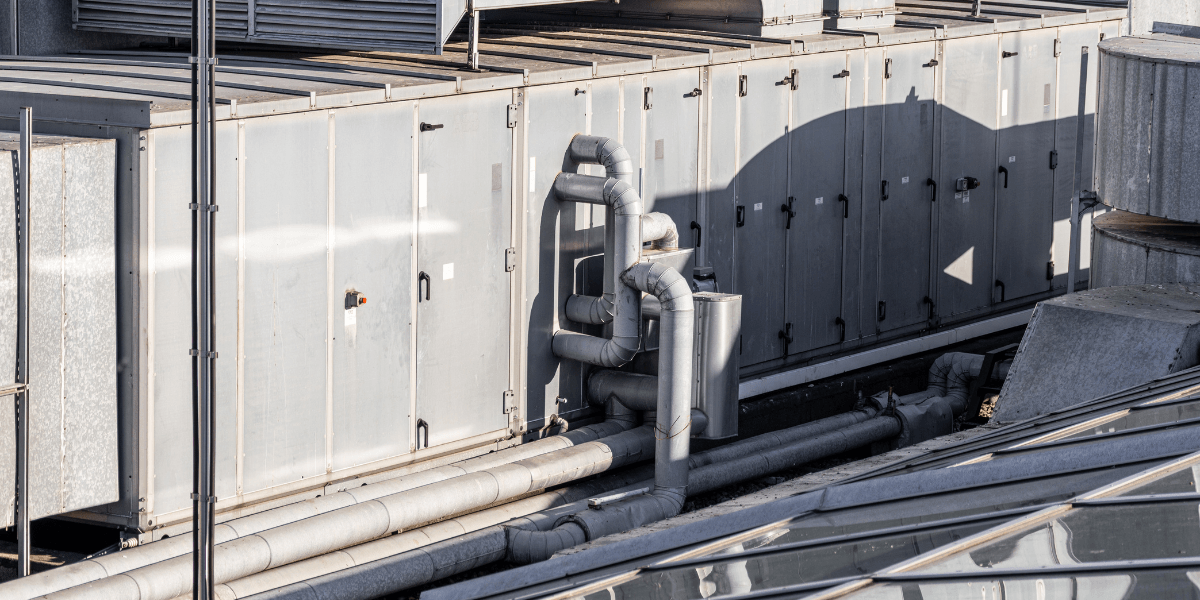
Refrigeration has already demonstrated, throughout its history, its ability to transform habits and markets. In the 1950s, for example, it contributed to the spread of frozen foods and ready-to-eat meals, changing the relationship between food preservation, distribution, and home consumption.
Today, however, the role of refrigeration is much broader. Commercial and industrial refrigeration has become a truly strategic infrastructure , indispensable for powering global cold chains, pharmaceutical logistics, food retail, data centers, industry, and new consumption models.
From the preserved product to the continuity of the supply chain
Modern refrigeration no longer serves merely to extend food shelf life. Today, it guarantees operational continuity, product safety, distribution quality, and supply chain resilience .
In the food industry , for example, refrigeration is essential for maintaining hygiene and sanitation standards throughout all stages of the supply chain. In pharmaceutical logistics , however, it becomes crucial for ensuring the stability and traceability of sensitive products. In data centers, cooling has become a critical component of the digital infrastructure.
This shift in perspective highlights one point: refrigeration is no longer a “service” technology, but a structural part of production, logistics, and energy systems.
Efficiency, refrigerants, and control: the industry's new priorities
The growing importance of refrigeration also brings with it new responsibilities . Refrigeration systems are required to ensure high performance, but with lower consumption, lower emissions, and more intelligent management.
The sector's priorities are focusing above all on:
- low GWP refrigerants and natural solutions;
- continuous monitoring of systems;
- reduction of losses and greater traceability of gases;
- predictive maintenance;
- integration with renewables and energy management systems;
- reducing environmental impact throughout the life cycle of the plants.
In this scenario, digitalization plays a crucial role. Sensors, remote control platforms, and data analytics enable intervention before failures occur, optimizing consumption, and improving operational safety.
The future of refrigeration will be increasingly integrated
Looking ahead to the coming years, refrigeration will be increasingly less separated from the rest of the energy system. Refrigeration systems will need to integrate with storage, heat recovery, renewable sources, and intelligent energy management systems.
For HVAC/R designers, installers, and operators, this means facing a transformational phase in which technical expertise, sustainability, and data management capabilities will become distinctive elements.
Cold will continue to be invisible to the end user, but it will be increasingly crucial to the functioning of supply chains, cities, and infrastructure. The challenge will be to make it more efficient, safe, and sustainable, without sacrificing reliability and operational continuity.

Related Focus


FAQ – Domande frequenti
Design is evolving toward integrated, data-driven systems, where refrigeration, heat recovery, energy storage, and EMS/BMS work synergistically. The use of natural refrigerants, inverter compressors, and advanced control systems is growing to reduce consumption and emissions. Furthermore, condensation heat recovery is becoming a strategic lever for improving the overall energy efficiency of buildings and industrial processes.
Digitalization will make refrigeration systems increasingly intelligent and autonomous, thanks to IoT, remote monitoring, and predictive maintenance. Continuous data analysis will optimize consumption, prevent malfunctions, and improve system lifecycle management. For the HVAC/R sector, this means developing connected, interoperable refrigeration infrastructures integrated with smart grids and advanced energy systems.
Modern refrigeration is now an essential component in sectors such as food, pharmaceuticals, cold storage logistics, data centers, and the process industry, where operational continuity and temperature control are crucial. Refrigeration is no longer just a technical support, but a critical infrastructure for food safety, drug preservation, data management, and production stability. In the HVAC/R sector, this leads to increasing integration between refrigeration, energy, and digitalization.
