




Data centers and AI: cooling enters a new evolutionary phase
AI is accelerating the evolution of data center cooling, including liquid cooling, low-GWP refrigerants, and new thermal architectures.
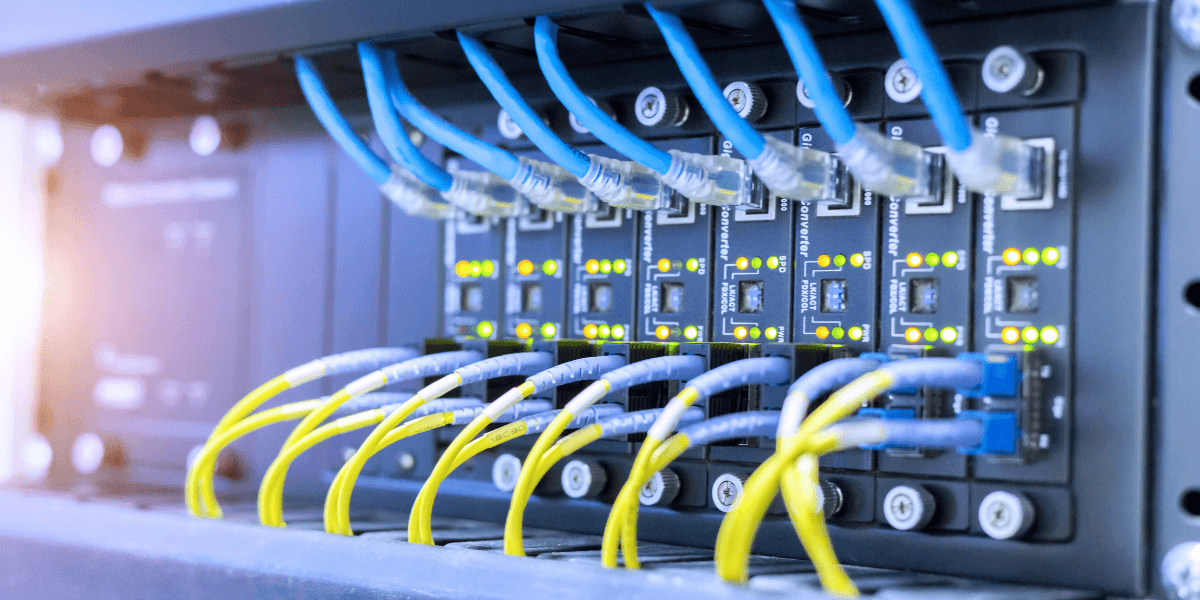
The growth of artificial intelligence and high-performance computing is also profoundly transforming the data center refrigeration and cooling sector . The increased compute density and thermal loads generated by new AI systems are putting pressure on traditional cooling architectures, pushing the market toward increasingly advanced solutions.
Today the issue is no longer just about maintaining the operating temperature of servers, but the ability to build efficient, sustainable infrastructures compatible with the exponential growth in digital demand .
From air cooling to liquid cooling: a paradigm shift
For years, data centers have primarily relied on air-cooled systems, including CRACs, CRAHs, and traditional chiller systems. However, the increasing power of AI racks is accelerating the deployment of more advanced technologies, particularly liquid cooling and direct-to-chip systems .
New cooling architectures allow heat to be removed directly at the source, improving thermal management capabilities in high-density data centers.
Among the main technologies that are driving this evolution are:
- direct-to-chip cooling
- immersion cooling
- air/liquid hybrid architectures
- low-GWP refrigerants
- advanced thermal control systems
The industry is therefore moving towards increasingly integrated cooling models, designed to manage thermal loads that were unthinkable until a few years ago.
Low-GWP refrigerants and new regulatory pressures
As data centers grow, regulatory pressure on refrigerants used in cooling systems is also increasing.
This is accelerating the search for solutions that can balance:
- energy efficiency
- operational safety
- reliability
- environmental sustainability
Manufacturers are already developing specific refrigerants and thermal fluids for new liquid cooling applications, as the market tries to adapt to an ever-evolving technological and regulatory framework.
AI, energy consumption, and the future of refrigeration
The transformation of data centers is not just a matter for the IT sector, but also directly impacts the HVAC/R and industrial refrigeration sectors. The growth of AI is significantly increasing the global energy demand of data centers, making cooling one of the most critical elements of the infrastructure.
For this reason, the future of cooling will increasingly focus on solutions that combine energy optimization, air-liquid integration, intelligent monitoring, and reduced water consumption . Added to these aspects is the need to design high-density systems capable of handling increasingly higher thermal loads without compromising reliability and operational continuity.
For the HVAC/R industry, this evolution represents one of the most dynamic technological areas of the coming years. Data center refrigeration is becoming a true laboratory of innovation, where efficiency, sustainability, and advanced thermal management converge in a single infrastructure challenge.

Related Focus


FAQ – Domande frequenti
The expansion of data centers driven by artificial intelligence is significantly increasing the thermal density of servers, making cooling a strategic component of the digital infrastructure. HVAC/R systems must now handle much higher and more variable thermal loads than traditional data centers, ensuring operational continuity, energy efficiency, and reduced electricity consumption. This is accelerating the adoption of advanced solutions such as liquid cooling, free cooling, and high-efficiency hybrid systems.
Cooling accounts for a significant portion of data center energy consumption, making HVAC/R efficiency crucial to the sustainability of the entire digital sector. Technologies such as free cooling, water cooling, and heat recovery reduce consumption and emissions. Looking ahead, integration with smart energy grids and energy storage systems will further improve energy efficiency and resilience.
In the medium term, the growing adoption of advanced liquid cooling, AI applied to thermal management, and fully digitalized HVAC systems is expected. The integration of sensors, predictive maintenance, and automatic control will enable continuous optimization of energy performance. For the HVAC/R sector, this means developing increasingly specialized skills in managing critical, high-density, and highly interconnected infrastructure.
