




Magnetocaloric cooling: gas-free refrigeration becomes a reality
Magnetocaloric cooling is entering the HVAC/R market as a refrigerant-free alternative, offering new opportunities for efficiency and design.
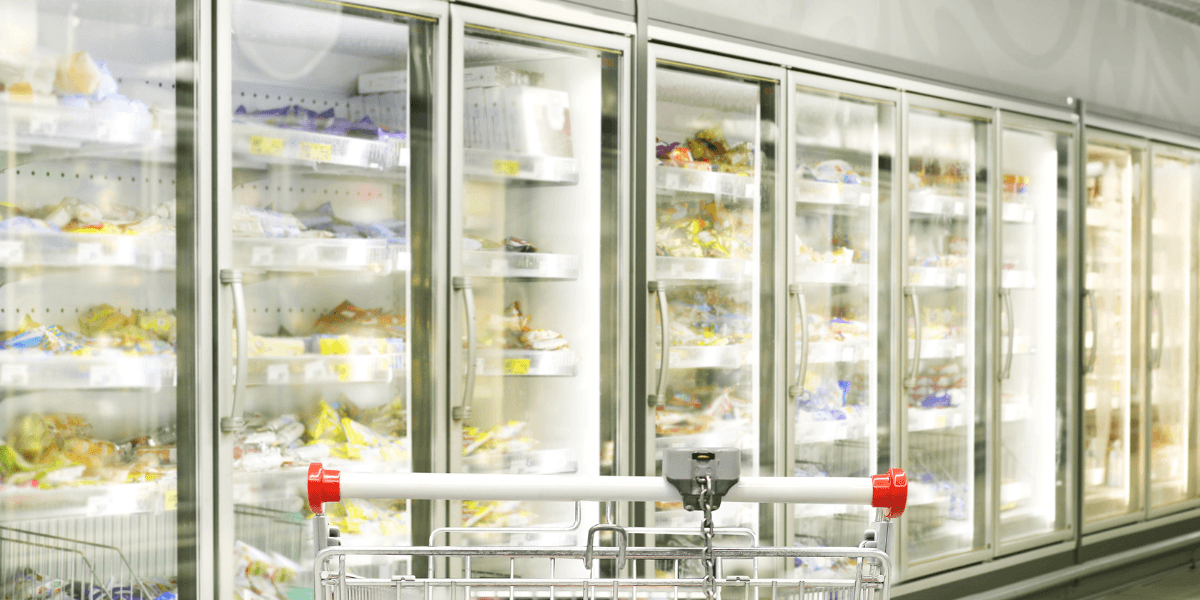
As industrial and commercial refrigeration evolves , the search for alternatives to traditional vapor compression cycles is increasingly crucial. Regulatory pressure on refrigerants, combined with the need to improve energy efficiency, is pushing the HVAC/R industry toward radically different solutions.
Among these, magnetocaloric cooling emerges as one of the most promising technologies: a solution that completely eliminates the use of refrigerant gases and introduces a new design paradigm.
How magnetocaloric cooling works
The principle behind the technology has long been known: some materials heat up when magnetized and cool down when the magnetic field is removed . By exploiting this effect, it is possible to generate cold without using traditional compressors or refrigerants .
The system would use:
- magnetocaloric materials as an active element
- water as a heat transfer fluid
- a low pressure operation
This approach allows for the complete elimination of refrigerants, reducing risks related to flammability, high pressures and environmental impacts.
For HVAC/R designers, this is a paradigm shift: no longer managing a traditional refrigeration cycle, but integrating a system based on solid-state physical phenomena.
Performance and benefits: efficiency and safety
Initial available data indicates a potential improvement in energy efficiency of up to 15% compared to propane (R290) systems , with further benefits in terms of operational stability and waste heat reduction.
Among the main advantages are:
- total absence of refrigerants
- greater operational safety
- more stable operation near room temperature
- reduction of indirect emissions
In a context where F-Gas regulations and the transition to natural refrigerants are redefining the sector, magnetocaloric represents a possible evolution beyond current solutions.
From research to the first concrete application
One of the most significant aspects is the transition from theory to practice. The technology is no longer confined to laboratories but is beginning to find real-world applications, particularly in commercial refrigeration.
This development is part of a broader trend: solid-state cooling and alternative technologies are also gaining interest at the industrial level, supported by research investments and a growing market.
For the HVAC/R sector, the message is clear: alongside the evolution of refrigerants (CO₂, R290, HFO), completely new technologies are emerging that could redefine the way we produce cold in the coming years.

Related Focus



FAQ – Domande frequenti
Magnetocaloric cooling is an innovative solution for applications requiring high efficiency and the absence of refrigerants, such as light commercial refrigeration, power electronics, data centers, and compact HVAC systems. In these contexts, the absence of gas eliminates issues related to F-Gases and PFAS, making the technology particularly attractive for future applications with low environmental impact and stringent regulatory constraints.
The main challenges are the complexity of magnetocaloric materials, the continuing high costs, and the difficulty of scaling the technology to high-power applications. Furthermore, managing magnetic fields and ensuring efficient thermodynamic cycles require advanced engineering solutions. From a plant engineering perspective, consolidated standards and a mature industrial supply chain are still lacking, which are slowing down the adoption compared to vapor compression systems.
In the medium term, magnetocaloric materials are expected to evolve, with cost reductions and greater component standardization. Increased research and pilot applications could lead to progressive industrialization, especially in high-value market niches. For the HVAC/R sector, magnetocaloric cooling represents a potentially disruptive technology, capable of complementing or replacing traditional systems in scenarios where sustainability and regulatory compliance are priorities.
