



Focus - Energy efficiency
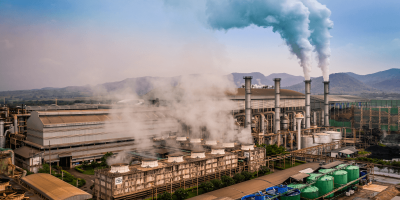
Recovered and liquefied CO₂ can find new uses in cooling, freezing, and cold chain logistics.
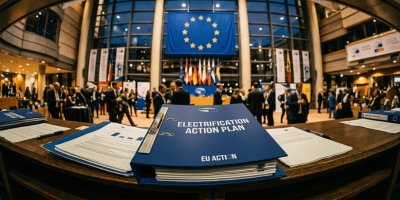
The EU plan prepares new measures for efficient cooling, storage, heat recovery and skills in the HVACR sector.
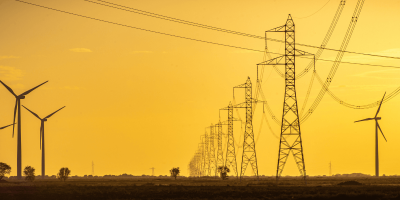
Electricity pricing, flexibility, and heat recovery can transform the energy role of refrigeration systems.
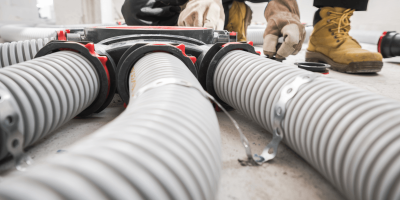
Industrial waste heat recovery increases efficiency, reduces consumption, and supports the sustainability of refrigeration and production systems.
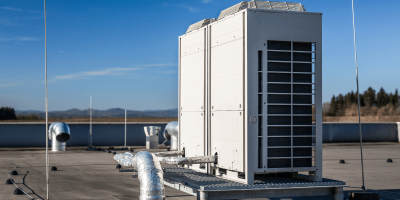
Heat recovery in industrial refrigeration systems increases efficiency, reduces costs, and cuts emissions, transforming wasted energy into a useful resource.
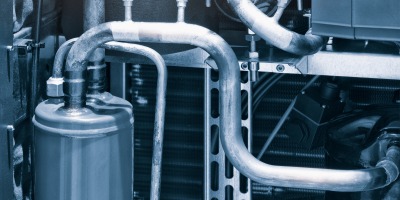
Data-driven management in commercial refrigeration enables continuous monitoring, predictive analysis, and consumption optimization, with benefits in terms of efficiency, maintenance, and costs.

World Refrigeration Day (June 26) celebrates the importance of sustainable refrigeration, technical expertise and innovation in the HVAC/R supply chain.
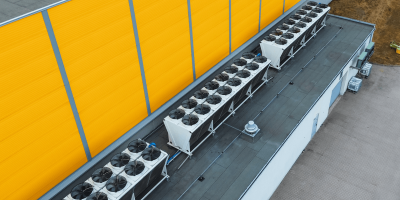
The new 2025 report confirms the role of sustainable refrigeration in research, training, and international cooperation.

The new EU rules on the GWP of buildings introduce a climate assessment that extends across the entire life cycle of the building.
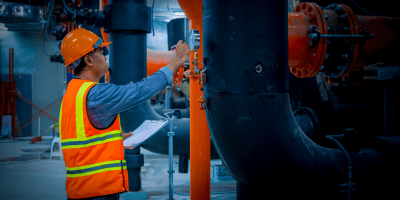
The Sustainable Cooling Forum 2026 highlights the strategic role of sustainable cooling in global climate policies.
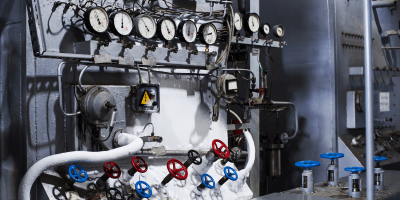
In ammonia systems, air and water in the circuit can compromise efficiency, consumption and operational stability.

High-temperature heat pumps prove to be strategic for reducing emissions and energy consumption in industrial processes.
