




Focus - Energy efficiency

CO₂, heat recovery, and intelligent control can transform supermarket refrigeration into an integrated, more energy-efficient system.
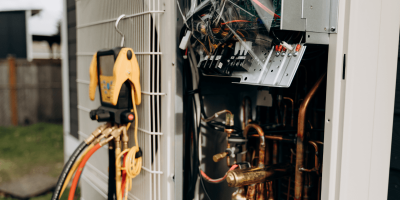
The HFC phase-down makes recovery and regeneration increasingly strategic for refrigerant service and the circular economy.

Cold storage, storage, and smart controls can transform refrigeration into a flexible resource for the electrical system.

Refrigerant life cycle management focuses on leak prevention, recovery, recycling, and regeneration to reduce emissions and waste.
Standards, supply chains, skills, and digitalization are transforming sustainability in commercial refrigeration.
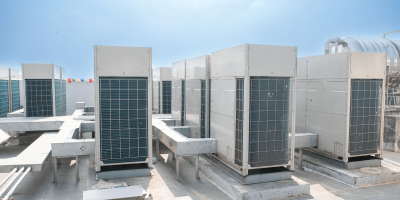
Efficiency, natural refrigerants, and safety are driving the sustainable evolution of industrial refrigeration systems.
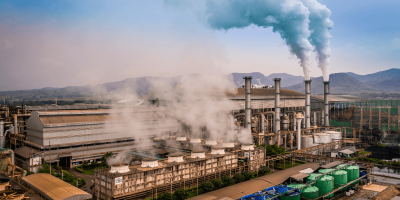
Recovered and liquefied CO₂ can find new uses in cooling, freezing, and cold chain logistics.
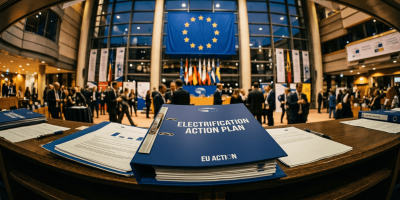
The EU plan prepares new measures for efficient cooling, storage, heat recovery and skills in the HVACR sector.
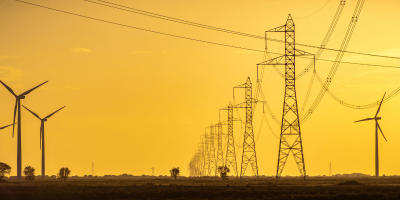
Electricity pricing, flexibility, and heat recovery can transform the energy role of refrigeration systems.

Industrial waste heat recovery increases efficiency, reduces consumption, and supports the sustainability of refrigeration and production systems.
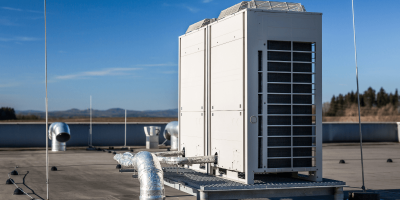
Heat recovery in industrial refrigeration systems increases efficiency, reduces costs, and cuts emissions, transforming wasted energy into a useful resource.
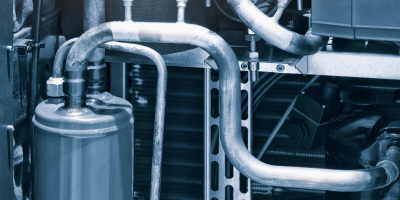
Data-driven management in commercial refrigeration enables continuous monitoring, predictive analysis, and consumption optimization, with benefits in terms of efficiency, maintenance, and costs.
