



Food chain emissions: EU analysis highlights roles and critical issues for the refrigeration sector
A European analysis of food chain emissions highlights the importance of operational activities and refrigeration in determining the overall climate impact.
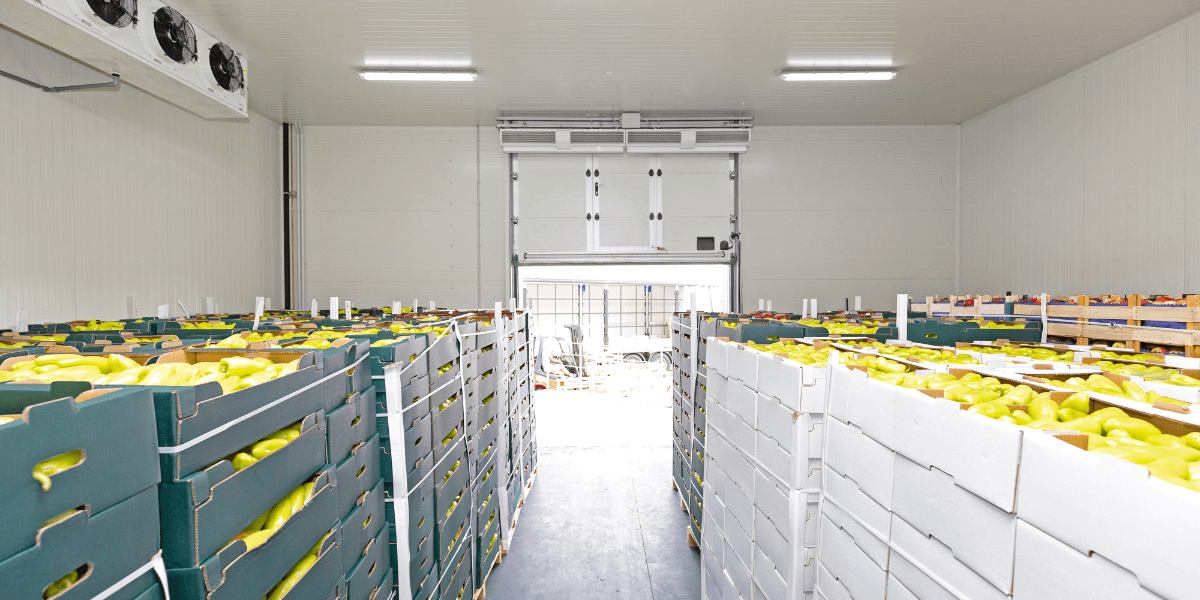
A recent comparative analysis conducted at European level provides a detailed picture of greenhouse gas (GHG) emissions along the food chain , highlighting the differences between countries and the main emission sources in the processes from production to distribution.
A report of this type is strategic for the commercial and industrial refrigeration sector: many of the services provided by the sector, from storage to temperature-controlled food distribution, are an integral part of the supply chain and directly impact overall emissions levels.
Direct and indirect emissions in the food supply chain
The analysis examines ten European countries, comparing total emissions from the food chain and dividing them between direct emissions, originating from controlled processes along the cycle (such as combustion and use of machinery), and indirect emissions, linked to electricity consumption and the national generation mix.
Direct emissions represent the largest share of the food chain , in many cases over 80% of the total , underlining how local operational activities, including cooling and refrigeration systems, remain a crucial element of the overall footprint.
At the same time, the analysis highlights how the intensity of indirect emissions varies significantly from country to country, depending on the composition of the national electricity mix: in contexts where electricity is "cleaner," the impact of indirect emissions is lower, but this does not always translate into a net reduction in total emissions, confirming the complexity of the emission dynamics of the supply chain.
The specific role of refrigeration technologies
Within this framework, a particularly relevant finding emerges: the share of emissions related to hydrofluorocarbons (HFCs) can significantly impact certain segments of the food chain , particularly retail and temperature-controlled storage. This finding indicates that commercial and industrial refrigeration operators play a significant role in the overall emission impact of the food supply chain, both in terms of energy management of their facilities and in their choice of refrigerants.
The presence of HFCs in total emissions suggests that mitigation actions must not be limited to energy efficiency alone, but must also include the transition to low-climate refrigerants and new refrigeration system control technologies, especially in highly consumption-intensive areas such as supermarkets, distribution centers, and logistics facilities dedicated to the preservation of fresh produce.
Operational implications and mitigation opportunities
From an operational perspective, the study provides useful tools to guide technical choices and investment strategies. For refrigeration and cold storage logistics operators, the European data offers insights into:
- analyze the specific emission impact of their activities, distinguishing between energy consumption and refrigerants used;
- evaluate energy efficiency plans and refrigerant replacement , taking into consideration technologies with a reduced climate footprint;
- collaborate with stakeholders in the food supply chain to design joint interventions aimed at reducing overall emissions.
The comparison between countries and emission models also highlights the importance of technical and regulatory policies that encourage the adoption of best practices in cold chain management, both in commercial and industrial settings.
A useful snapshot to guide future choices
The new EU analysis of food chain emissions goes beyond simply providing numbers and statistical comparisons. It offers a useful analytical basis for defining priorities and interventions capable of reducing the overall climate impact of the supply chain , with a clear role for refrigeration systems. Whether it's technological choices or control and maintenance strategies, refrigeration remains a strategic factor in both energy consumption and direct emissions related to the food sector.