



Temperature-controlled transport: a rapidly growing market for the cold chain
The temperature-controlled transportation market is growing rapidly, driving innovation, sustainability, and new opportunities for refrigeration and HVAC/R.
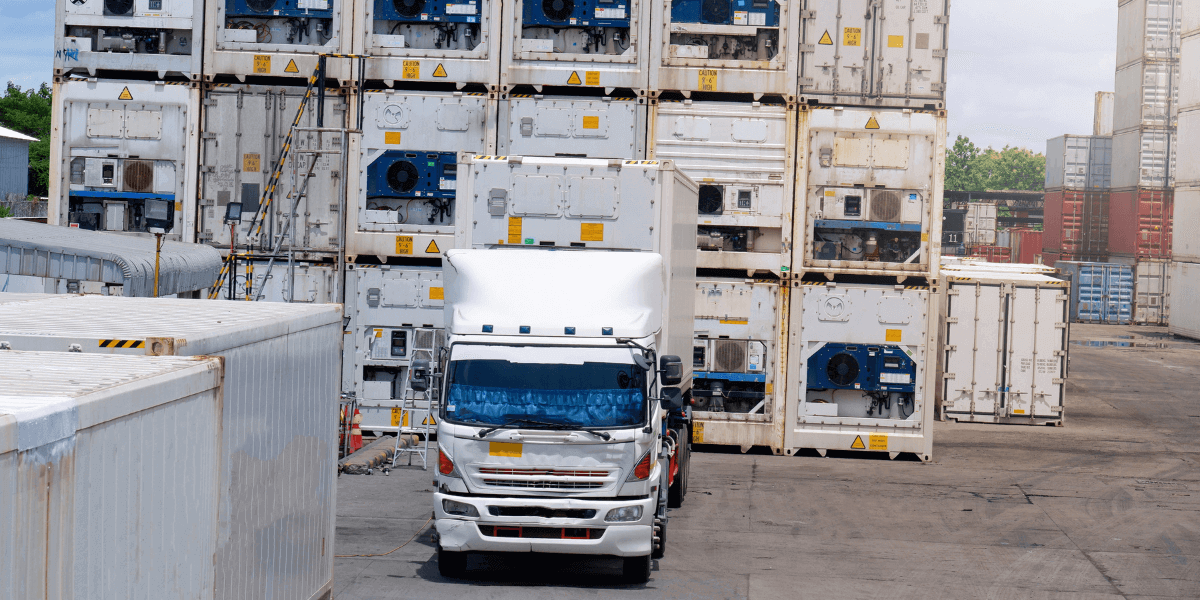
Temperature-controlled transport is taking on an increasingly strategic role in the global cold chain.
The growing demand for fresh foods, pharmaceuticals, and temperature-sensitive products is driving the market toward significant growth, but above all, toward a technological evolution that directly affects the world of refrigeration, logistics, and HVAC/R.
A market that doubles and redefines the priorities of cold storage logistics
Growth prospects for the refrigerated transport market indicate significant expansion over the next decade , with a value expected to exceed $230 billion by 2034. This trend reflects not only the increase in volumes handled but also a structural transformation of needs along the entire supply chain.
At the basis of this growth there are converging factors:
- the increase in international trade in perishable products;
- the evolution of consumption models and distribution channels;
- greater attention to the quality, safety and integrity of the product during transport .
For HVAC/R operators, temperature-controlled transport is no longer just an application segment, but an area in which reliability, precision, and continuity of thermal control become crucial to the value of the service offered.
Technological innovation and sustainability as key factors
Industry growth is accelerating the adoption of more advanced technological solutions for mobile refrigeration and refrigerated containers .
Energy efficiency, emissions reduction, and regulatory compliance are essential requirements today.
Among the main development directions emerge:
- optimization of energy consumption under variable load conditions;
- introduction of digital monitoring and control systems , based on sensors and connectivity;
- progressive transition towards natural or low GWP refrigerants ;
- application of predictive maintenance logic to reduce downtime and waste.
In this scenario, the integration of refrigeration technologies, control electronics, and data management becomes a decisive competitive element, especially for those operating on vehicle fleets or large transport volumes.
Operational challenges and opportunities for the HVAC/R industry
The evolution of refrigerated transport also brings with it new operational complexities. Managing dynamic thermal loads, ensuring constant temperatures over long distances, and complying with environmental regulations require increasingly modular, scalable, and intelligent solutions.
For the HVAC/R sector, this translates into concrete opportunities:
- development of more efficient and sustainable mobile refrigeration systems;
- design of integrated solutions for temperature control and traceability;
- Technical and consultancy support for fleet adaptation to new regulations.
Companies that anticipate these needs by investing in innovation and skills will be able to strengthen their position in an increasingly selective market.
Focus on Europe: Cold Storage Logistics: Regulation and Innovation
In Europe, where cold storage logistics is already a mature sector, global dynamics are pushing for a further leap in quality.
The combination of decarbonisation objectives, stringent environmental regulations and process digitalisation is accelerating the transition towards low-impact fleets and advanced management systems.
Temperature-controlled transport thus becomes a strategic hub not only for the agri-food and pharmaceutical supply chains, but also for innovation in the HVAC/R world, called upon to provide increasingly reliable, sustainable, and data-driven solutions.