



Access to sustainable cooling: Over 1 billion people identified without adequate solutions
Over 1 billion people live without safe cooling today; the report “Chilling Prospects 2025” calls for efficient technologies, incentives, regulations and integrated design to close the gap by 2030.
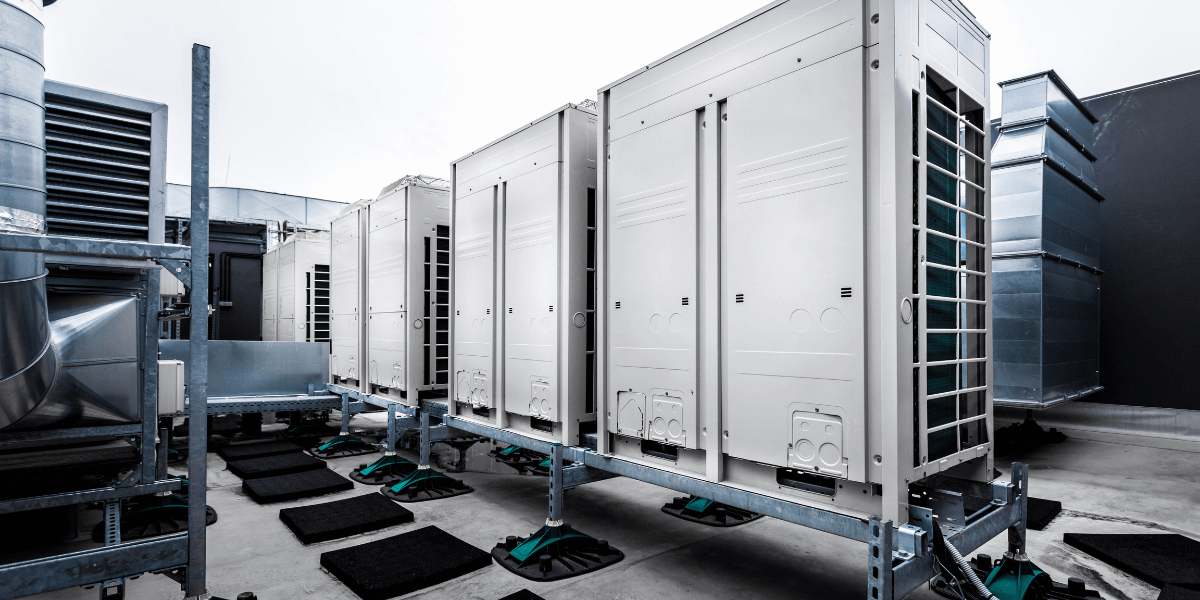
According to SEforALL's Chilling Prospects 2025 report, over 1 billion people worldwide live without reliable and safe access to cooling, exposing them to health, food security, and employment risks. This phenomenon particularly affects cities in developing countries: the urban poor at high risk will increase by 48.5 million by 2030, while the rural poor will tend to decline. The report highlights not only the access gap, but also the need for efficient technological solutions, targeted public policies, and innovative financing to make sustainable cooling truly accessible.
Global divide: How many and where are the people without cooling?
The report shows that over 1 billion people currently live in high-risk conditions due to a lack of adequate cooling. Of these, 695 million live in vulnerable urban areas, and 309 million live in fragile rural settings. By 2030, the total number of people in critical conditions will rise to 1.05 billion, largely due to the increase in poverty in urban areas (+7%). Much of the problem occurs in tropical and subtropical regions, where heat waves, rapid urbanization, and weak infrastructure make cooling not just a convenience, but a matter of survival.
Multiple impacts: health, nutrition, work
The lack of adequate cooling solutions not only impacts individual well-being, but also affects the functioning of healthcare systems (vaccines requiring cold chains), food security (perishable products), and production activities vulnerable to high temperatures. Cooling therefore becomes a central issue of climate resilience: not only mitigating heat, but also preventing the deterioration of goods, work performance, and public health.
Suggested solutions: innovative technologies, regulations, and financing
Chilling Prospects 2025 proposes a multi-stakeholder approach that involves multiple levers: passive building design (shading, natural ventilation, materials with thermal inertia), optimizing cold chains, using efficient appliances, reducing harmful refrigerants , and creating financial mechanisms – such as concessional funds, targeted grants, pay-as-you-go models – to enable the widespread adoption of sustainable cooling systems.
What does this mean for the refrigeration sector and businesses?
For HVAC/R companies, installers, and designers, the report sends a clear message: the demand for sustainable solutions is potentially enormous in high-risk markets. Those who can offer efficient, reliable systems with low-GWP refrigerants and affordable cost models will find significant traction. Public policies also become a key ingredient: regulations for efficient equipment, incentives for adoption, and standards that allow for technological transition and the improvement of urban cooling infrastructure.