



CO₂ systems: how to achieve consistent efficiency year-round
Optimizing superheat, evaporators, and configurations can increase the efficiency of CO₂ systems by up to 14%, improving stability and energy savings.
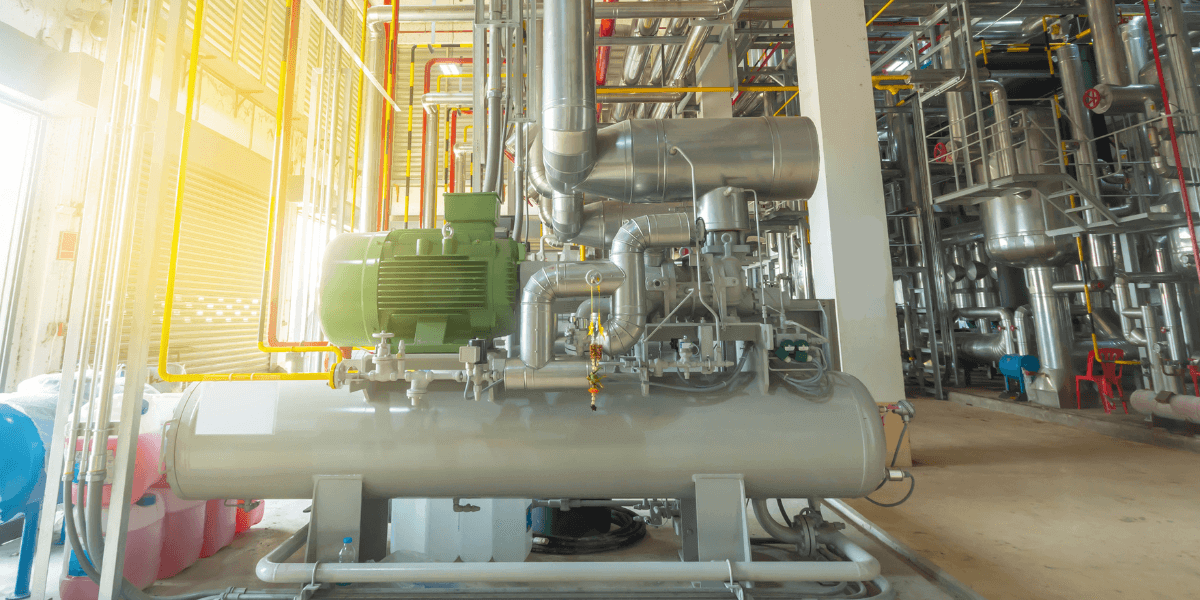
CO₂ (R744) has now established itself as one of the most reliable and sustainable natural refrigerants in industrial and commercial refrigeration . However, to fully exploit its potential, it is essential that systems ensure high efficiency not only in the summer months , but throughout the entire annual operating cycle.
If in the past the focus was almost exclusively on gas cooler management or adiabatic cooling systems , today the search for superior performance also involves the cold side of the system: evaporators and superheat control become key elements for reducing consumption and improving performance.
Optimizing superheat and evaporators: small changes, big results
Better superheat control allows for higher evaporation temperatures (SST), reducing compressor work and improving the system's energy balance.
In practice, minimizing the temperature difference between air and coil allows for energy savings of 7–8%, without compromising cooling performance.
The circuit configuration further impacts overall efficiency: dual-suction schemes , which separate medium- and low-temperature loads, optimize thermal cycles and improve the management of variable loads. With this approach, efficiency gains can reach up to 10–14% per year compared to traditional booster systems.
Benefits for industrial and commercial refrigeration
For refrigeration professionals—from cold storage to food logistics to large-scale retail—these measures represent a concrete lever for reducing consumption and operating costs.
An optimised CO₂ system guarantees:
- greater seasonal efficiency and stability of refrigeration cycles;
- less mechanical stress on compressors;
- adaptability to variable loads and operational continuity in all climatic conditions.
In addition to the energy aspect, these solutions respond to the need to adopt natural refrigerants compliant with European regulations on fluorinated gases, strengthening the environmental sustainability and competitiveness of the system.
Efficiency and sustainability: the double advantage of natural cold
Optimizing CO₂ systems means combining efficiency and sustainability : on the one hand, it reduces consumption and costs, on the other, it contributes to the transition towards low environmental impact refrigeration.
For installers and designers, this approach represents the key to creating more efficient, resilient systems that are aligned with the regulatory challenges of the near future.