



The cold chain as a cornerstone of food safety: a call from CIVUFA 2025
At CIVUFA 2025, a strong message emerges: the cold chain is crucial for food security and sustainability. Skills, logistics, and technologies are at the heart of the global challenge.
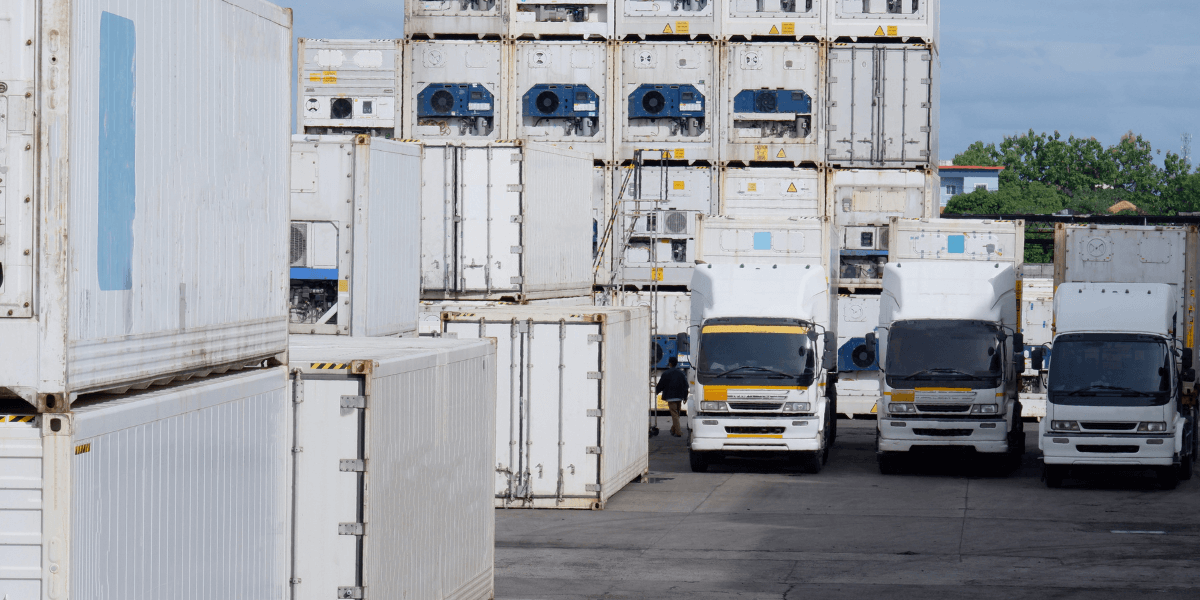
During the first edition of CIVUFA 2025 , the international attention of the RAC sector focused on the crucial role of the cold chain in ensuring food safety and reducing waste .
In the interview, Professor Marcello Collantin emphasized how an efficient refrigeration system, equipped with appropriate technologies and expertise, represents a strategic lever for combating food loss and promoting sustainable development, not only in critical contexts like Africa, but also globally.
Cold Chain: A Key to Fighting Waste and Food Instability
In many areas of the world lacking adequate infrastructure, up to 40% of agricultural harvests are at risk of being lost due to lack of proper storage and transportation . This is serious damage not only to food availability, but also to the environment: each food loss generates additional CO₂ emissions, wasting resources and contributing to ecological degradation.
The key to reversing this trend is clear: ensuring a complete and integrated cold chain , covering every stage — from harvesting, to storage, to transport, to distribution — with professional infrastructure and practices.
In this context, refrigeration is not an optional extra, but a fundamental requirement to preserve food quality, safety, and dignity.
Refrigerated transport and logistics: the weak point to strengthen
Collantin highlighted how the transportation phase is currently the most vulnerable point of cold chains in developing countries. Even if initial storage is properly managed, a single uncontrolled transport can compromise an entire batch.
The solution? Deploy temperature recorders , raise awareness among operators about the importance of continuous monitoring, and adopt autonomous refrigerated vehicles. Only in this way can we guarantee continuous cold storage and preserve the healthiness of products throughout every stage of the supply chain.
Training and skills: investing in human capital in the cold chain
Another key issue that emerged from the interview was the lack of adequate technical skills: managing refrigeration systems, transport, and temperature-controlled logistics requires trained operators who are aware of the regulations and dynamics of cold storage.
Collantin describes operator involvement in training as a crucial step in building a responsible and sustainable refrigeration supply chain. For Europe and Italy, the message is clear: enhance technical skills and promote high standards of competence, because refrigeration and preservation are also becoming key elements in development and sustainability plans.
Implications for the HVAC/R world: the importance of integrated and global refrigeration
For refrigeration professionals, the experience represented by CIVUFA 2025 and Collantin's recommendations confirm that refrigeration is not just a question of technology or comfort, but a global responsibility.
It means considering facilities, logistics, transportation, maintenance, and training when planning interventions. It means focusing on reliable technologies, controlled systems, and adequate expertise to ensure continuity—everywhere, from Europe to Africa.
The challenge is ambitious, but concrete: connecting refrigeration, food safety, and sustainable development. And for the HVAC/R world, this means new fields of work, new responsibilities, and new opportunities.