




Ammonia systems: efficiency and reliability depend on the quality of the refrigeration circuit
In ammonia systems, air and water in the circuit can compromise efficiency, consumption and operational stability.
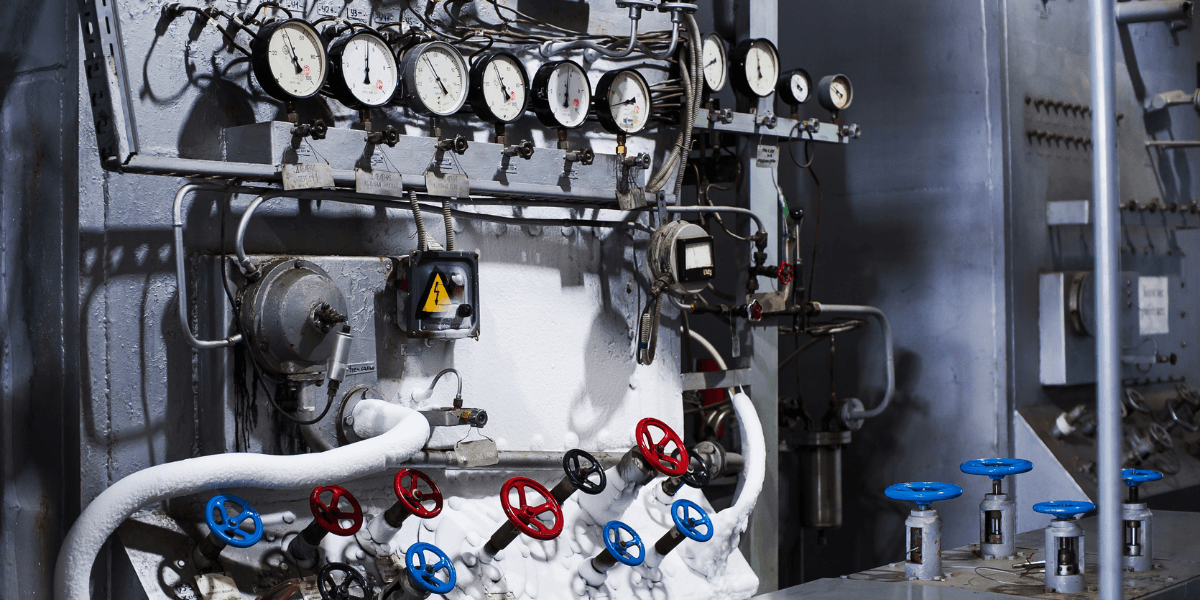
In industrial ammonia refrigeration systems , energy efficiency depends not only on compressors, electronic controls, or advanced monitoring systems. The basis of system performance is an often underestimated element: proper management of the refrigeration circuit and the quality of the refrigerant .
In this context, the presence of contaminants such as air and water can significantly compromise operational stability, energy consumption, and overall system reliability, especially in continuously operating industrial systems.
Air and Water: Invisible but Critical Contaminants
One of the key issues emerging from the most recent technical analyses concerns the presence of contaminants within the refrigeration circuit. Even small amounts of air or water can disrupt the proper functioning of ammonia systems, causing progressive effects that are often difficult to detect in the early stages.
In the case of air , the presence of non-condensable gases leads to an increase in condensation pressure, forcing the compressor to operate under more demanding conditions and increasing the energy consumption of the entire system. According to the findings of the technical seminar reported by ZeroSottoZero, even seemingly small variations in condensation temperature can significantly impact the system's efficiency.
Even more complex is managing water in the circuit. In ammonia systems, water tends to accumulate in the low-pressure sections, altering the thermodynamic equilibrium of the system and worsening operating conditions. Over time, this phenomenon can promote sediment formation, oil degradation, and efficiency losses in the evaporators.
Energy efficiency: the role of prevention
In the world of industrial refrigeration, there is an increasing focus on advanced sensors, automation, and remote monitoring . However, preventative management of refrigeration circuit conditions remains one of the most important factors in maintaining long-term system efficiency.
The goal is not only to detect anomalies when they occur, but also to prevent the system from progressively deviating from its original design conditions . A system contaminated by air, water, or residues tends to operate at less favorable temperatures and pressures, increasing consumption and mechanical stress.
In this scenario, dedicated components and procedures for contaminant removal, oil control, and refrigeration circuit stability play a strategic role. In large industrial plants, even small operational deviations can translate into significant energy impacts.
Troubleshooting and system management: the cause of the problem matters.
Another key aspect concerns the failure analysis method . In industrial ammonia refrigeration, many anomalies do not arise from a single faulty component, but from progressive phenomena that develop over time within the refrigeration circuit.
For this reason, troubleshooting requires a systematic approach, capable of identifying the real cause of the problem and not just the visible symptom. Analyzing system behavior, operating conditions, and refrigerant quality is therefore essential to prevent recurrences and maintain high performance over time.
For the HVAC/R sector, the message is clear: in ammonia systems, energy efficiency depends not only on the technology installed, but on the ability to maintain the integrity and cleanliness of the refrigeration circuit over time.
Related Focus

FAQ
The toxicity of ammonia requires a safety-oriented design approach, with particular attention to ventilation, leak detection, compartmentalization, and emergency management. It is essential to comply with specific regulations (EN 378, PED) and provide redundant systems to ensure operational continuity in critical environments. Furthermore, proper circuit sizing and construction quality directly impact operational risk reduction and system lifespan.
A well-designed and installed refrigeration circuit optimizes heat exchange, oil return, and refrigerant distribution, improving the system's COP and reducing energy consumption. Conversely, pressure drops, incorrect sizing, or impurities in the circuit can increase compressor workload and reduce overall efficiency. In large industrial plants, even small improvements to the circuit can translate into significant energy savings.
In ammonia systems, the quality of the refrigeration circuit is crucial to ensuring safety, operational stability, and energy efficiency. Design or construction errors can cause leaks, oil contamination, heat exchange inefficiencies, and refrigerant return problems. Furthermore, managing high flow rates and operating pressures requires suitable components, certified welding, and layouts designed to minimize pressure drops and mechanical stress.
