




Heat recovery in industrial refrigeration: efficiency and sustainability
Heat recovery in industrial refrigeration systems increases efficiency, reduces costs, and cuts emissions, transforming wasted energy into a useful resource.
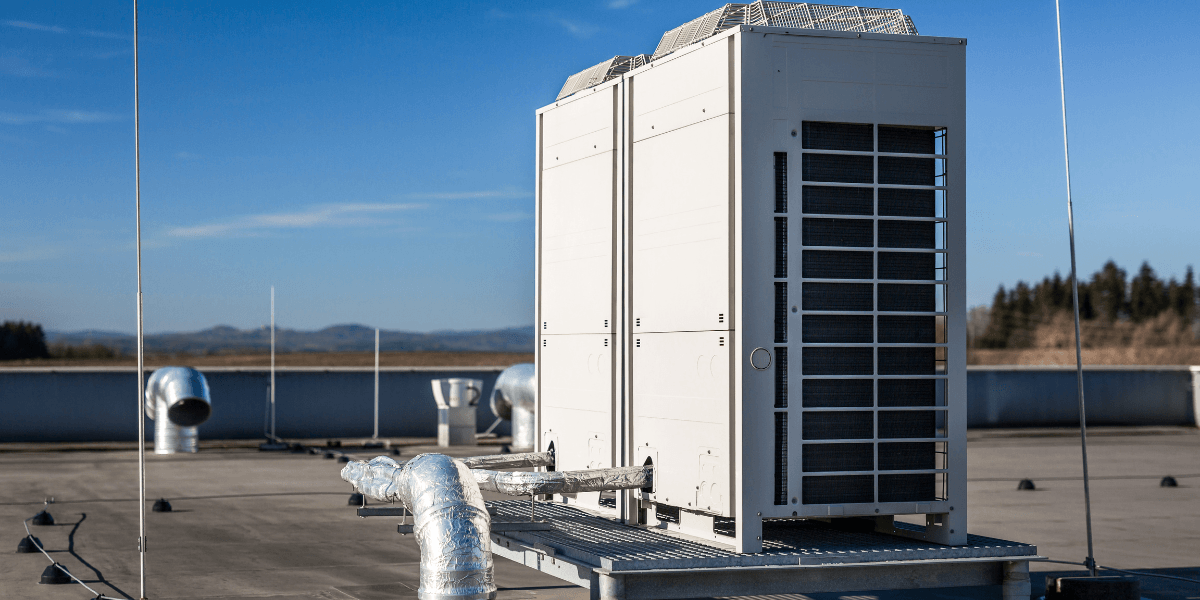
In industrial refrigeration systems, much of the energy consumed is lost in the form of waste heat from the condensation and compression cycles.
This heat , if properly recovered, can become a useful energy resource , reducing overall consumption and improving the sustainability of the systems.
Technologies such as industrial heat pumps and Organic Rankine Cycle (ORC) systems can raise the temperature of waste heat for reuse in manufacturing processes, space heating or even electricity generation, increasing the overall efficiency of refrigeration systems and reducing emissions.
Technologies and applications in commercial and industrial refrigeration
The adoption of heat recovery systems is growing in the HVAC/R sector. Industrial heat pumps allow the reuse of medium-temperature thermal energy, while ORCs convert waste heat into electricity. These technologies are ideally suited to supermarkets, food processing plants, cold storage rooms, and cold storage warehouses , where the heat generated by condensers can be used to produce hot water or heat spaces. Integrating these solutions into existing refrigeration systems allows for:
- Improve the overall energy efficiency of plants;
- Reduce operating costs by reusing waste energy;
- Increase environmental sustainability by reducing the demand for electricity or fossil fuels for auxiliary heating;
- Increase the resilience and autonomy of refrigeration systems , with reduced losses and greater operational control.
Benefits for operators and the HVAC/R supply chain
For maintenance technicians, installers, and designers, heat recovery represents a concrete opportunity to optimize system performance, offer value-added services, and support customers in reducing consumption and emissions. The adoption of data-driven systems and continuous monitoring allows them to identify areas of inefficiency, plan targeted interventions, and verify the effectiveness of recovery systems, improving companies' competitiveness and the sustainability of industrial processes.
Integrated strategy for sustainability and innovation
Integrating heat recovery into refrigeration systems means turning an operational necessity into a competitive advantage. Companies that implement heat pumps, ORCs, and intelligent management systems can achieve:
- Significant savings on energy consumption ;
- Reduction of environmental impact and CO₂ emissions ;
- Better management of refrigeration cycles and greater system reliability ;
- Opportunity to develop integrated services for end customers and partners.
Heat recovery thus becomes a strategic tool for modernizing industrial refrigeration, with economic, environmental, and operational benefits.

Related Focus

FAQ – Domande frequenti
Recovering waste heat from refrigeration processes increases the energy efficiency of industrial plants and reduces primary energy consumption. This approach supports sustainability, lowers operating costs, and contributes to the decarbonization of production processes, transforming waste heat into a useful resource for heating, domestic hot water, or integration with other processes.
Sectors with continuous cycles or medium-high temperature processes such as the food, beverage, refrigerated logistics, chemical, and pharmaceutical industries can reintegrate recovered heat into fluid preheating, hot water production, space heating, or support for industrial heat pumps, increasing overall efficiency and reducing gas or electricity consumption.
Recovered heat reduces the need for additional energy sources, lowering CO₂ emissions and electricity or fossil fuel consumption. By optimizing the reuse of waste heat, plants can operate with greater seasonal efficiency, reducing energy waste and operating costs and increasing the overall sustainability of the industrial supply chain.
