




Refrigeration and the EU Plan: Energy, Flexibility, and Heat Recovery
Electricity pricing, flexibility, and heat recovery can transform the energy role of refrigeration systems.
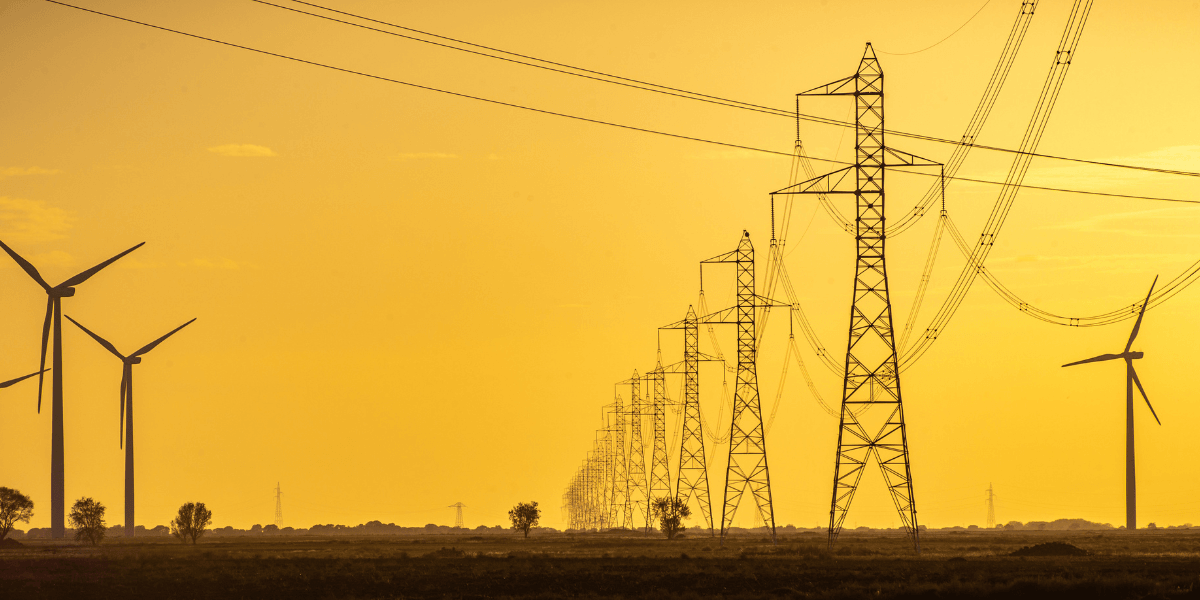
The European Commission's new Electrification Action Plan introduces measures designed to impact energy management in commercial and industrial refrigeration . Reducing the price gap between electricity and gas , reviewing network charges, and leveraging flexibility , storage , and waste heat can change the operating costs and management strategies of refrigeration systems.
For supermarkets, refrigerated warehouses, food processing plants, and logistics platforms, electricity is an essential component of business continuity . In this scenario, digital control, demand response, refrigeration storage, and condensation heat recovery are becoming increasingly important tools for improving efficiency, containing consumption peaks, and maximizing the energy produced by the system.
Electricity prices and the competitiveness of refrigeration systems
The European Commission has called on Member States to reduce the electricity/gas price ratio to a maximum of 2.5 for residential users and 2 for industrial users by 2030. The proposed measures include a different distribution of taxes and charges, more flexible network tariffs, and greater deployment of smart meters.
This indicator was introduced primarily to assess the cost-effectiveness of heat pumps and electrified processes compared to gas-fired technologies. In the refrigeration sector, however, the benefit is primarily indirect: refrigeration systems and cold rooms are already predominantly powered by electricity, but a reduction in charges and greater availability of dynamic tariffs can impact their operating costs.
To exploit these opportunities, however, simply consuming energy during the least expensive hours is not enough. The system must be equipped with adequate regulation, monitoring, and modulation capabilities, preventing load shifts from compromising storage temperatures or increasing overall consumption.
Cold storage and storage become flexible resources
Warehouses and cold storage facilities can participate in demand response programs thanks to the thermal inertia of the spaces and stored products. Under certain conditions, it is possible to shift part of the refrigeration production forward to hours of lower electricity demand, subsequently reducing compressor operation during grid peaks.
Applicable strategies may include:
- controlled pre-cooling of environments;
- temporary modulation of compressors and fans;
- storage of cooling energy;
- use of phase change materials;
- coordinated regulation with dynamic pricing and renewable energy availability.
Studies conducted on refrigerated storage units confirm the potential of these solutions, but also highlight the need to carefully evaluate their effects. Temporary power reductions can be followed by surges upon restart or additional consumption to recover the temperature, while excessive interventions can affect product quality and safety.
For this reason, flexibility must be managed through reliable sensors, digital supervision, and algorithms capable of considering thermal load, external temperature, product status, and maximum cooling suspension times.
Recovering heat produced by refrigeration
A second relevant area concerns the condensation heat normally rejected by refrigeration systems. The European plan assigns waste heat recovery an important role in decarbonization, setting the goal of using this resource to cover 11% of Europe's heating demand by 2050.
In supermarkets, food factories and refrigerated warehouses, recovered heat can be used for:
- production of domestic hot water;
- low-temperature washing and processes;
- space heating;
- defrosting;
- power supply of local thermal networks;
- preheating of process water.
When the available temperature isn't sufficient, the heat can be harnessed through a heat pump, which raises its thermal level, making it usable by other users. However, the cost effectiveness depends on the simultaneous demand for cooling and heating, the distances between production and use, and the required temperatures.
The European plan thus opens a scenario in which the refrigeration system is no longer considered merely a major electricity consumer. Through digital control, storage, and heat recovery, it can become a more flexible resource for the grid and a useful energy source for the factory or retail outlet.

Related Focus


FAQ – Domande frequenti
The plan does not introduce specific measures for refrigeration systems, but addresses electricity costs, network charges, flexibility, and heat recovery. These factors can impact the energy management of supermarkets, cold stores, and refrigerated facilities.
Yes, within controlled limits. The thermal inertia of the environments and products allows for the cooling production to be accelerated or temporarily reduced. However, the strategy must respect storage temperatures and avoid excessive peaks upon restart.
Condensation heat can be recovered to produce hot water, heat spaces, support industrial processes, or power heating networks. When necessary, a heat pump can raise its temperature and expand its potential uses.
