




Sustainable industrial refrigeration: efficiency, natural refrigerants, and safety
Efficiency, natural refrigerants, and safety are driving the sustainable evolution of industrial refrigeration systems.
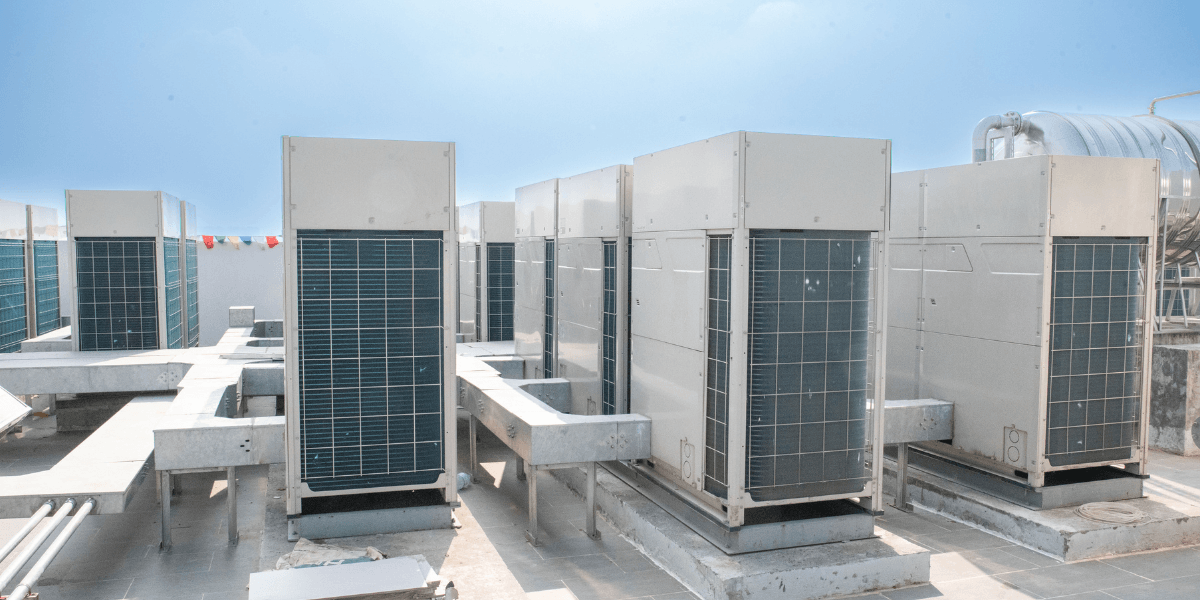
Sustainability in industrial refrigeration depends on more than just the refrigerant used. It's the result of a design that integrates energy efficiency, reduced environmental impact, operational reliability, and safety , considering the entire life cycle of the system.
For food industries, cold chain logistics, manufacturing plants, and large refrigeration companies, reducing consumption means reducing one of the main energy costs. At the same time, evolving European regulations on fluorinated gases are accelerating the shift toward low-climate solutions and natural refrigerants, including ammonia.
Efficiency comes from the design of the entire system
A sustainable system must first produce the required cooling using the least amount of energy possible. Therefore, it's not enough to simply choose efficient components: it's necessary to analyze load profiles, operating temperatures, seasonal variations, and the actual needs of the production process.
Among the aspects that can most impact performance are:
- the correct sizing of the system;
- regulation of cooling capacity according to demand;
- control of condensation and evaporation temperatures;
- maintenance of compressors, exchangers and circuits;
- heat recovery, when compatible with the process;
- continuous monitoring of consumption and operating conditions.
The economic benefit therefore depends not only on the nominal efficiency of the machine, but also on the system's ability to maintain high performance under real-world operating conditions. Proper management can reduce waste, limit component wear, and improve service continuity.
Ammonia and natural refrigerants in the industrial transition
Ammonia , identified as R-717, has been used for many years in industrial refrigeration and food processing. The European Commission lists it among the non-fluorinated alternatives available for industrial plants , attributing it a zero GWP. It is also used in cascade configurations with CO₂, especially in the food and beverage sectors and in applications requiring high cooling capacity.
Its thermodynamic properties can promote good energy performance, making it attractive for systems with continuous loads and significant demands. However, the use of ammonia should not be considered a simple refrigerant replacement: it requires design consistent with its characteristics and the specific application.
R-717 belongs to the B2L safety class , which is related to toxicity and low flammability . Therefore, charge reduction, fluid containment, ventilation, leak detection, emergency management, and operator training are essential. The most recent European regulations also require dedicated skills and certifications for technicians working on equipment containing ammonia.
Environmental sustainability and investment continuity
The European F-Gas Regulation 2024/573 has strengthened the process of reducing high-GWP fluorinated refrigerants , introducing progressive bans for various equipment and applications. For businesses, choosing technologies compatible with this evolution today can reduce the risk of having to face early replacements, supply bottlenecks, or costly retrofits in the future.
Sustainability, however, must be assessed by considering multiple factors: energy consumption, direct refrigerant emissions, maintenance, spare parts availability, system lifespan, and required expertise. Even a refrigerant with a very low climate impact can produce unsatisfactory results if used in an inefficient or improperly managed system.
For designers, refrigeration engineers, and plant managers, the priority is therefore to identify the solution best suited to the process, not simply the one with the lowest GWP value. Refrigerant, system architecture, safety, and control must be evaluated as part of the same project, to combine environmental sustainability, reliability, and long-term cost-effectiveness.
Related Focus
FAQ – Domande frequenti
Sustainability depends on the integration of low energy consumption, reduced refrigerant emissions, reliability, and proper maintenance. Sizing, regulation, heat recovery, and performance monitoring are also important.
Ammonia has favorable thermodynamic properties and a zero GWP, making it particularly suitable for high-power industrial plants with continuous loads. It has also been used for many years in the food industry and in cold storage logistics.
Ammonia systems require specialized design, leak detection systems, ventilation, emergency procedures, and appropriately trained personnel. The choice must take into account the B2L safety class and the characteristics of the installation environment.
