




Industrial heat recovery: efficiency and sustainability for refrigeration and production processes
Industrial waste heat recovery increases efficiency, reduces consumption, and supports the sustainability of refrigeration and production systems.

In the industrial context, large amounts of thermal energy are often lost during production processes, from heating plants to refrigeration systems.
Waste heat recovery allows this otherwise wasted energy to be transformed into a concrete opportunity to reduce consumption and operating costs. Systems such as industrial heat pumps and Organic Rankine Cycle (ORC) systems raise the temperature of waste heat, making it available for additional energy uses, such as heating tanks, producing process hot water, or integrating it into district heating networks.
This strategy increases overall plant efficiency and helps reduce the plants' energy footprint.
Integrated technologies and applications in refrigeration
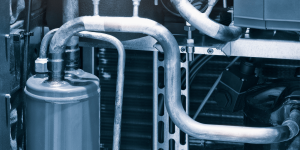
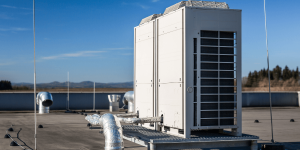
For the world of industrial refrigeration , heat recovery represents a strategic advantage. Refrigeration systems often generate waste heat from compressors and cooling cycles, which can be recovered and reused using heat pumps or dedicated exchangers. Main applications include:
- Production of domestic or process hot water , optimising the use of internal energy;
- Heating of rooms and technical rooms , reducing the need for electricity;
- Power supply for district heating or heat pre-treatment systems , integrating industrial plants with urban networks.
These solutions not only increase energy efficiency, but also support sustainability and decarbonization goals, making plants more resilient and less dependent on fossil fuels.
Economic and environmental benefits
Integrating heat recovery into industrial plants brings concrete benefits on multiple levels:
- Reduction of consumption and operating costs , thanks to the use of energy already available in the processes;
- Reduction of CO₂ emissions , contributing to the company's sustainability objectives;
- Optimization of refrigeration cycles and heat pumps , increasing the life and reliability of the systems;
- Creating opportunities for innovation , with the adoption of digital technologies and advanced monitoring systems.
The adoption of integrated strategies that combine plant design, automation, and heat recovery allows companies to achieve a dual benefit: improving process efficiency and reducing environmental impact, transforming a waste energy flow into a true productive asset.

Related Focus

FAQ – Domande frequenti
Recovering waste heat from industrial processes and refrigeration systems increases energy efficiency, reduces consumption and operating costs, and reduces CO₂ emissions. By transforming waste energy into a useful resource, plants become more sustainable, supporting the decarbonization of production processes and the industrial supply chain.
Processes with continuous cycles or medium-high temperatures, such as the food, beverage, pharmaceutical, and refrigerated logistics industries, can reuse heat for fluid preheating, hot water production, space heating, or integration with industrial heat pumps, improving efficiency and sustainability.
Recovered heat reduces the need for additional energy sources, lowering electricity or fossil fuel consumption and CO₂ emissions. By optimizing the reuse of waste heat, systems operate with greater seasonal efficiency, less energy waste, and lower operating costs.
