




ESG and commercial refrigeration: regulations, data, and expertise are reshaping the sector.
Standards, supply chains, skills, and digitalization are transforming sustainability in commercial refrigeration.
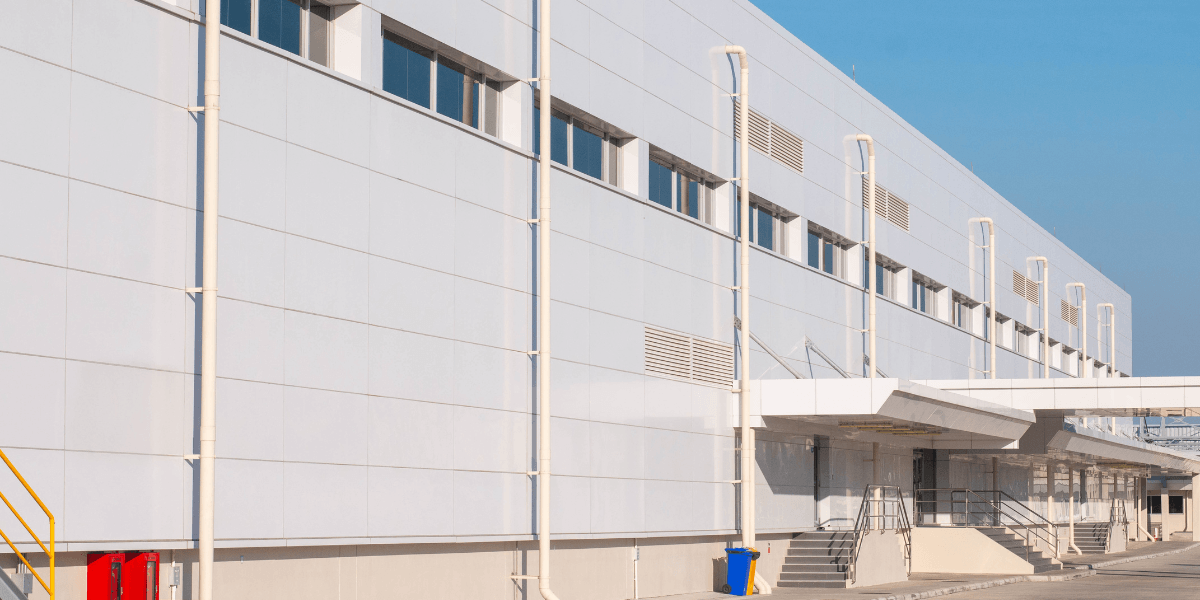
Sustainability in commercial refrigeration is no longer just about reducing energy consumption or choosing climate-friendly refrigerants. The industry is required to evaluate the entire life cycle of equipment , from raw material selection to manufacturing, maintenance, repairability, and end-of-life component recovery.
The ESG transition is simultaneously transforming the design, supply chain, and operational management of retail outlets. For manufacturers, retailers, designers, and refrigeration engineers, the ability to measure environmental performance and document results is therefore becoming an integral part of competitiveness.
From regulatory compliance to environmental measurement
The new F-Gas Regulation has accelerated the shift towards lower climate impact solutions, but it's not the only measure set to impact the sector. The European Ecodesign Regulation (ESPR) for sustainable products introduces a framework focused on durability, reliability, reparability, recyclability, and resource efficiency .
Added to this scenario is the European proposal to restrict PFAS , currently under evaluation. In 2026, ECHA's scientific committees adopted their preliminary opinions, while the final decision will be made by the European Commission together with the Member States. The future regulation could impact materials and substances used in HVACR technologies, making it necessary to closely monitor the progress of the dossier.
The challenge, however, isn't just meeting new requirements. Reliably comparing products and technologies requires common Life Cycle Assessment criteria, verifiable environmental declarations, and consistent calculation methodologies. Without shared standards, data processed using different criteria risks making it difficult to objectively assess environmental performance.
ESG criteria involve the entire supply chain
Sustainability is expanding beyond the confines of individual companies. Traceability of raw materials, supplier monitoring, and responsible sourcing policies are becoming key elements in reducing impacts along the entire value chain.
For commercial refrigeration companies, this means evaluating not only the performance of the finished product, but also:
- origin and recyclability of materials;
- consumption and emissions from production processes;
- reliability and ESG conduct of suppliers;
- availability of spare parts and repair possibilities;
- equipment management throughout the entire life cycle .
ESG risk management is also becoming increasingly important in relationships with the financial system. The European Banking Authority's guidelines, applicable to most institutions from January 11, 2026, require banks to identify, measure, and manage these risks in decision-making processes and credit assessments. Supply chain sustainability can therefore significantly impact access to financing and the terms applied to businesses.
Training, data and artificial intelligence for the point of sale
Technological change requires new skills . Natural refrigerants, digitalization, remote monitoring, and artificial intelligence-based systems require ongoing training for designers, installers, and service technicians. The F-Gas Regulation itself has extended professional attention to alternative technologies and their associated safety requirements.
At the same time, the refrigerated cabinet is evolving from an isolated appliance to a component of a connected ecosystem. Data collected in the field can support consumption monitoring, predictive maintenance, early detection of anomalies, and more efficient store management.
The prospect is for a shift from simply selling equipment to a model based on hardware, software, and ongoing services . For the sector, the true ESG challenge will therefore be to integrate measurable environmental performance, digital management, and technical expertise, transforming sustainability from a documented requirement to an operational and industrial lever.

Related Focus
FAQ – Domande frequenti
ESG criteria include the environmental impacts of equipment, resource management, social conditions along the supply chain, and the governance systems adopted by companies. In refrigeration, they involve design, materials, consumption, maintenance, and product end-of-life.
Life Cycle Assessment (LCA) allows us to evaluate environmental impacts throughout a product's entire life cycle. However, reliable comparisons require common methodologies and verifiable data, avoiding inconsistent results across manufacturers and technologies.
Data analysis can support remote monitoring, optimize consumption, anticipate potential failures, and schedule maintenance. The point of sale thus becomes a connected system, in which equipment and digital services work together.
