




Beyond refrigerants: Sustainable cooling takes center stage in global climate strategies
The Sustainable Cooling Forum 2026 highlights the strategic role of sustainable cooling in global climate policies.
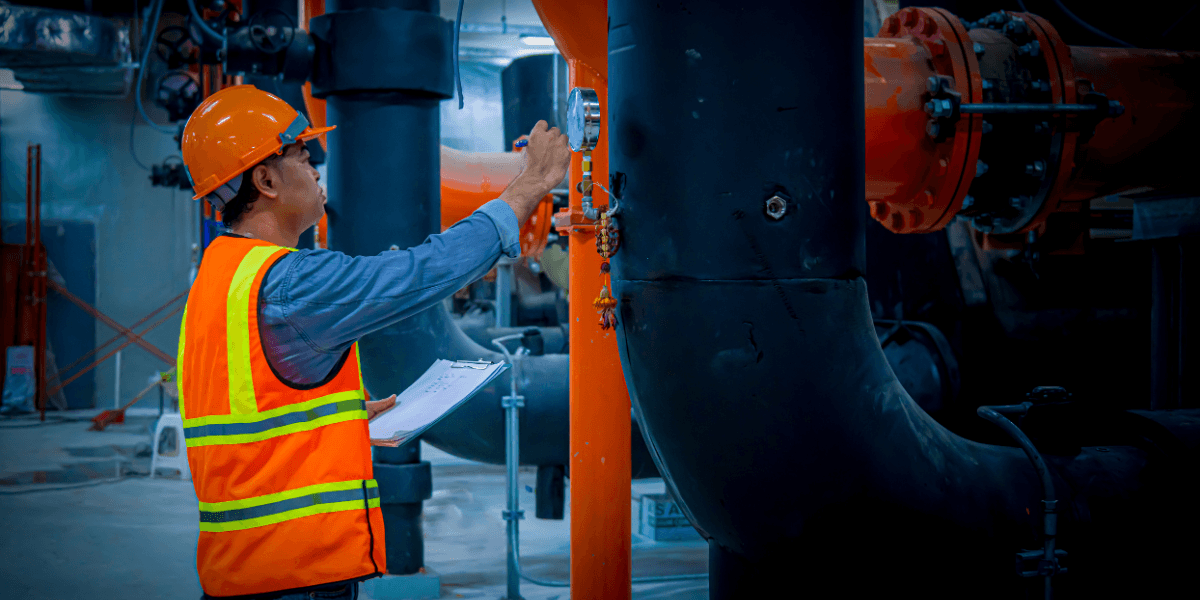
In the debate on climate transition , the topic of cooling is taking on an increasingly strategic role. While for years the focus has been primarily on replacing high-GWP refrigerants, today the HVAC/R industry faces a much broader challenge: rethinking the way cooling systems are designed, powered, and managed globally.
This is the message that emerged from the Sustainable Cooling Forum 2026 organized by UNIDO in Vienna, where cooling was addressed not only as a technological or regulatory issue, but as a central element of climate, energy, and social policies.
Cooling as a global energy challenge
According to what was highlighted during the forum, cooling systems currently account for approximately 7% of global greenhouse gas emissions, while electricity demand related to cooling could triple by 2060.
Rising global temperatures, urbanization, and economic expansion are rapidly increasing the demand for cooling in buildings, industry, transportation, and the cold chain.
The theme concerns several strategic areas:
- commercial and industrial refrigeration
- air conditioning of buildings
- food and pharmaceutical cold chain
- access to cooling in the most vulnerable countries
- energy efficiency of HVAC/R infrastructure
For this reason, the forum highlighted the need to address cooling through a systemic approach, capable of integrating technology, energy, sustainability, and climate resilience.
Beyond F-Gases: Efficiency, Energy, and Affordability
One of the most relevant concepts that emerged during the Sustainable Cooling Forum concerns overcoming a vision limited to the refrigerant transition alone.
According to UNIDO, the sustainability of cooling does not only depend on the use of low-GWP refrigerants, but also on:
- energy efficiency of systems
- global access to cooling technologies
- integration with renewable energy
- local industrial development
- reduction in overall energy demand
The forum highlighted how cooling represents a climate, health, social, and economic challenge.
For the HVAC/R industry, this means that the future of sustainable refrigeration will not be tied to a single technology, but to the ability to build more efficient, accessible, and energy-integrated systems.
Refrigeration and climate: towards a new vision of the sector
The growing international attention towards cooling confirms how the refrigeration sector is assuming an increasingly central role in global climate strategies.
From food storage to data centers, from buildings to healthcare infrastructure, cooling is now considered an essential component of climate resilience, energy security, and quality of life.
For the HVAC/R sector, the challenge of the coming years will therefore be much broader than simply replacing traditional refrigerants: it will concern the ability to develop systems capable of combining energy efficiency, emissions reduction, operational continuity, and global accessibility to sustainable cooling.
Related Focus

FAQ
The main critical issues concern increased summer electricity consumption, managing peak demand, and the need to simultaneously reduce direct and indirect emissions. From a systems engineering perspective, it is necessary to develop more efficient systems, with low-GWP refrigerants, advanced control, and integration with energy storage. Furthermore, in urban contexts, the heat island effect is growing, requiring integrated design approaches involving buildings, systems, and the urban environment.
In addition to natural and low-GWP refrigerants, technologies such as free cooling, evaporative cooling, reversible heat pumps, and thermal storage systems are gaining importance. At the same time, the use of EMS/BMS and digital platforms to optimize consumption in real time is growing. In advanced applications, heat recovery and district cooling are also becoming strategic tools for improving energy efficiency and sustainability.
In the medium term, growing integration between cooling, renewable energy, and digitalization is expected, with increasingly intelligent and adaptive HVAC systems. Global climate strategies will push for stricter energy standards, the spread of natural refrigerants, and the development of resilient urban infrastructure. For the HVAC/R sector, this means an evolution toward highly efficient, interconnected solutions aimed at simultaneously reducing consumption, emissions, and overall environmental impact.
