



Focus - Around the world
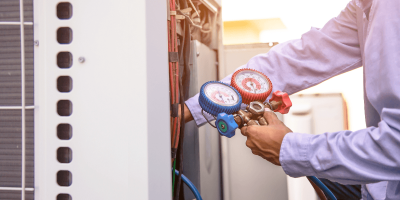
Superheating, subcooling, airflow, and glide: the parameters to evaluate for correct refrigerant charging.

Connected controllers and systems improve refrigeration management, but introduce new cyber risks to facilities and the cold chain.

Certification for natural refrigerants does not replace assessment, training, and workplace safety requirements.
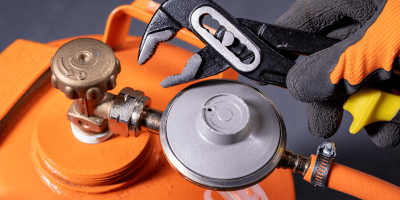
Design, training, and operating procedures are critical to the safe handling of flammable refrigerants.
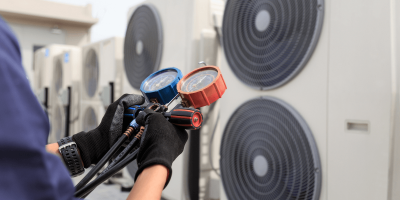
Refrigerant leaks in new installations can compromise the efficiency and reliability of the systems: correct installation, leak testing, and technical training are essential.

The UNEP guide helps governments develop national plans for managing refrigerants, reducing emissions and improving the efficiency, safety and sustainability of the refrigeration sector.

The IIR’s Global Refrigeration Outlook provides a comprehensive view of the trends, regulations, and technologies transforming the HVAC/R industry.
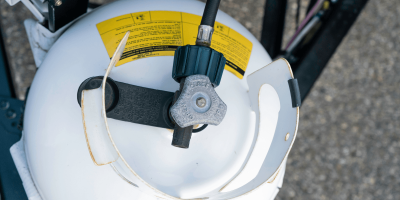
The spread of counterfeit and non-compliant refrigerants makes it increasingly important to verify suppliers, documentation, and traceability of the gases used.

The new decree strengthens sanctions against the unauthorized production, trade, and use of F-Gas, requiring the supply chain to be traceable.
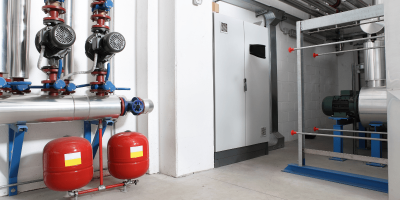
The deployment of flammable refrigerants requires expertise, correct procedures, and safety throughout the entire life cycle of the systems.
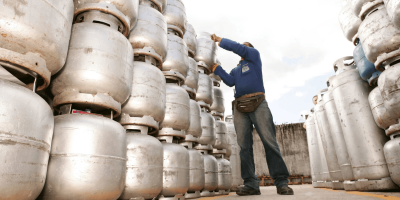
The spread of flammable natural refrigerants makes technical training increasingly crucial to ensuring safe and reliable interventions.

Refrigerant traceability becomes strategic for safety, compliance, and combating the illicit trade in F-gases.
