




Flammable Refrigerants: Managing Risk Between Design and Maintenance
Design, training, and operating procedures are critical to the safe handling of flammable refrigerants.
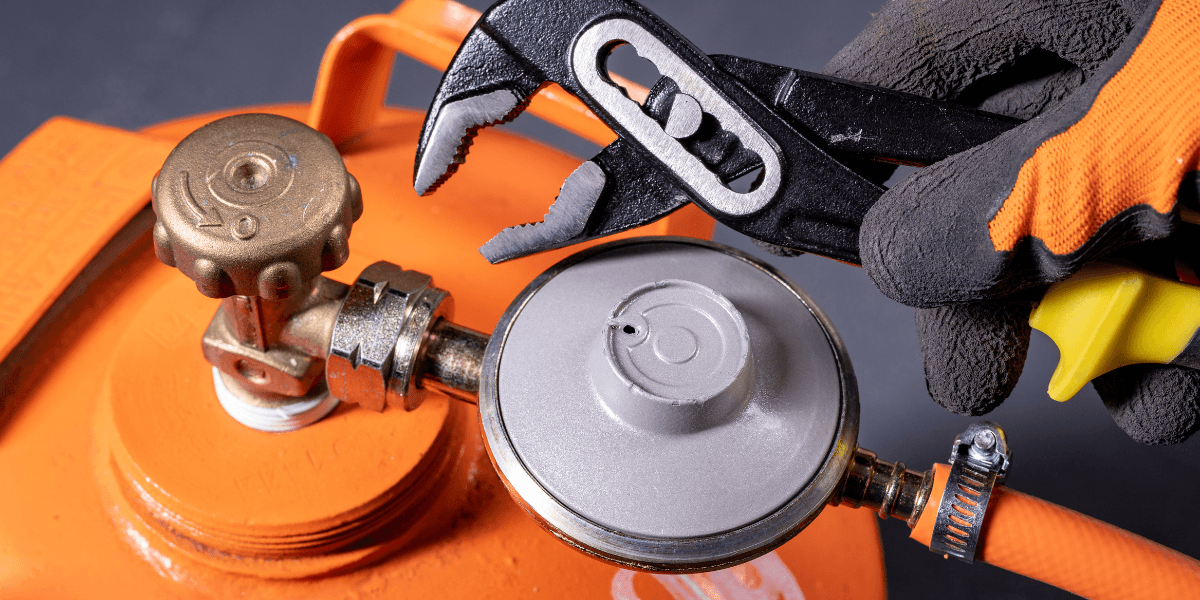
The spread of low-GWP refrigerants is increasing the use of fluids with different flammability levels in refrigeration, air conditioning, and heat pump applications . This shift offers new opportunities to reduce the climate impact of systems, but requires design criteria, operating procedures, and technical expertise appropriate to the characteristics of the refrigerant used.
The topic was explored further during OEWG48 in Bangkok , where the need to distinguish between the simple perception of danger and its technical management was emphasized. Flammability does not automatically render a technology unusable : the level of safety depends on the application, the load, the installation environment, and the correct execution of activities throughout the system's entire life cycle.
Safety must start from design
The choice of refrigerant cannot be separated from the characteristics of the system in which it will be used. Designers and manufacturers must consider the quantity of fluid present, possible leak scenarios, the size and intended use of the rooms, ventilation, and the presence of potential ignition sources.
The application of ATEX requirements must also be assessed in relation to the actual site conditions, avoiding both underestimations and overly generalized interpretations. International comparisons have highlighted the importance of linking regulatory requirements, refrigerant characteristics, and the actual system configuration.
Elements that can contribute to risk reduction include:
- refrigerant charge containment;
- adequate ventilation of the rooms;
- correct placement of components;
- detection and alarm systems, when required;
- choice of compatible materials and devices;
- accessibility of the system for maintenance and checks;
- procedures defined for any emergency situations.
Safety, therefore, does not depend on a single protection, but on the integration of multiple measures. Compliant equipment can still become critical if installed in an unsuitable environment or operated without considering the conditions envisaged by the design.
Installation and assistance become decisive phases
Many of the most delicate operations take place during installation , maintenance , and repair . Opening the circuit, recovering the refrigerant, replacing components, leak testing, and recharging must be performed using compatible tools and by properly preparing the work area.
EU Implementing Regulation 2024/2215 includes among the required skills for hydrocarbons preventive risk analysis, identification of hazard sources, selection of appropriate tools and PPE, safe fluid recovery, pressure and vacuum testing, and direct leak detection. Specific knowledge of ventilation, gas detection, signage, and alarm systems is also required.
Before intervening, the technician must therefore at least check :
- which refrigerant is present and in what quantity;
- if the room has the necessary ventilation;
- if there are possible ignition sources;
- which tools can be used safely;
- how to recover and manage refrigerant;
- what procedures to follow in case of loss;
- if the actual conditions correspond to those foreseen in the project.
General training on refrigeration systems isn't always sufficient. Slightly or more flammable refrigerants may require different operating procedures, especially when working on equipment located in occupied or poorly ventilated spaces.
Differentiated certifications for technologies and refrigerants
The new European framework has expanded certification to include alternatives to fluorinated gases , including hydrocarbons, CO₂, and ammonia in installation, repair, maintenance, assistance, and decommissioning activities. The system distinguishes, among others, A1 and A2 certificates for fluorinated gases and hydrocarbons, a B certificate for CO₂, and a C certificate for ammonia.
This structure reflects the fact that risks are not the same for all technologies. Hydrocarbons require particular attention to flammability, CO₂ to high pressures, and ammonia to toxicity, in addition to other aspects related to system configuration. Training programs must therefore include both theoretical knowledge and practical tests consistent with the type of refrigerant and the authorized activities.
Companies also have a direct responsibility : to obtain certification they must employ a sufficient number of qualified people and demonstrate that they have the tools and procedures necessary to carry out their activities correctly.
The transition to refrigerants with a lower climate impact therefore requires an approach in which design, certification, and work organization proceed together. The safety of flammable refrigerants cannot be entrusted to technology alone: it depends on the quality with which the system is designed, installed, maintained, and monitored over time.
Related Focus
FAQ – Domande frequenti
The refrigerant charge, the volume and purpose of the room, ventilation, possible leak scenarios, ignition sources and the planned detection and emergency measures must be considered.
The most delicate phases include refrigerant recovery, circuit opening, component replacement, pressure and leak testing, vacuum, and subsequent recharging. Tools, PPE, and procedures compatible with the fluid involved must be used.
No. EU Implementing Regulation 2024/2215 provides for different certificates: A1 and A2 for fluorinated gases and hydrocarbons, B for CO₂, and C for ammonia, with responsibilities appropriate to the risks and characteristics of the different technologies.
