




Natural refrigerants: certification is no substitute for workplace safety.
Certification for natural refrigerants does not replace assessment, training, and workplace safety requirements.
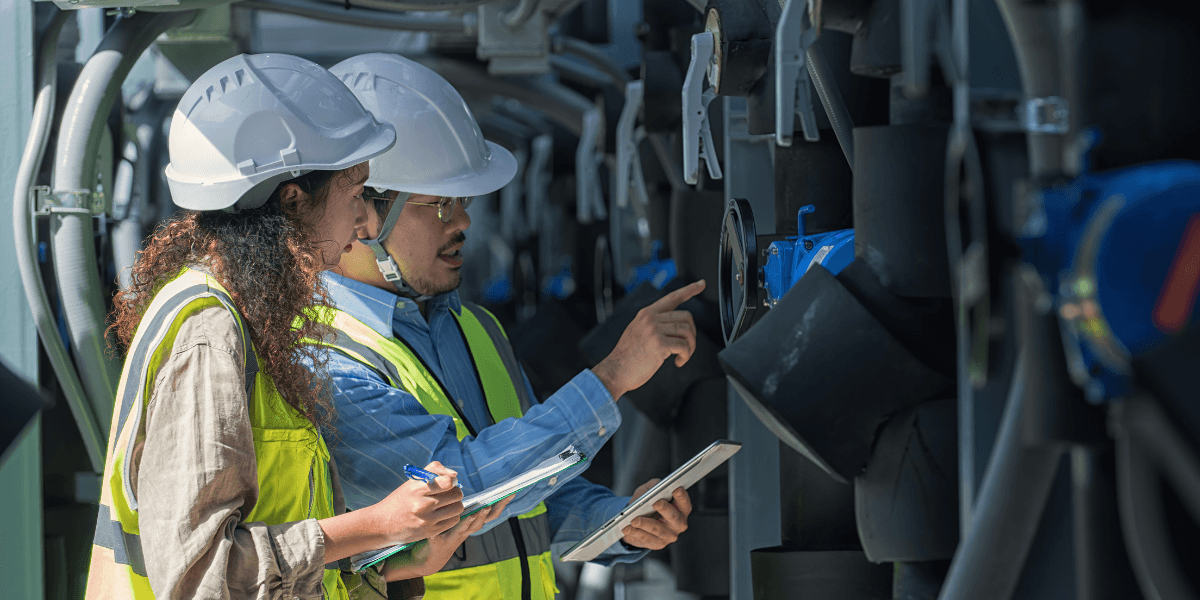
The spread of propane, CO₂, and ammonia is changing the skills and procedures required of refrigeration technicians. The new F-Gas framework has extended certification to include work performed on equipment containing alternative refrigerants, but this process does not replace the obligations set forth in workplace health and safety regulations.
The issue was brought to the attention of the European institutions with petition no. 1162/2025, dedicated to coordination between the F-Gas Regulation and EU legislation on occupational safety. For businesses and refrigeration technicians, the operating principle is clear: technical qualifications and worker protection remain two distinct and complementary levels .
F-Gas certification also covers alternative refrigerants
EU Implementing Regulation 2024/2215 introduced minimum certification requirements for persons and undertakings operating equipment containing fluorinated gases or alternatives such as ammonia, carbon dioxide and hydrocarbons .
The training provided takes into account the technical characteristics and hazards associated with the various substances. Possession of the certification therefore demonstrates the operator's ability to perform specific tasks on the refrigeration circuit, but it does not cover all the requirements for safe work.
Each refrigerant presents specific risks: propane requires particular attention due to its flammability, CO₂ operates at high pressures and can cause dangerous conditions if accumulated, while ammonia requires appropriate measures due to its toxicity.
Risk assessment and training remain mandatory
European legislation on chemical agents requires employers to assess the risks involved in advance , taking into account the properties of the substance, the quantity used, the level and duration of exposure, and the conditions under which installation and maintenance are carried out.
In Italy, these principles are incorporated into Legislative Decree 81/2008, which requires technical and organizational measures proportionate to the activity.
Aspects to consider include:
- updating the risk assessment document;
- specific training and information for operators;
- procedures for maintenance, recovery and emergency management;
- availability of suitable equipment and protective devices;
- check ventilation and possible ignition sources;
- reducing exposure and the amount of refrigerant present.
Measures must be defined before starting a new activity involving the presence of hazardous chemical agents and updated when technologies, substances or operating methods change.
A responsibility that involves companies and technicians
The transition to natural refrigerants cannot therefore be limited to purchasing new equipment or obtaining a certificate. The company must ensure that its personnel are trained in the actual risks of the system, that procedures are documented, and that equipment and PPE are compatible with the refrigerant used.
For refrigeration technicians, this means integrating refrigeration skills with knowledge of chemical risk management, potentially explosive atmospheres, high pressures, and emergency procedures. Certification enables them to perform the required activities, while workplace safety governs how these operations must be organized and executed.
The growth of CO₂, ammonia, and hydrocarbons therefore necessitates coordinated updates to training, risk assessments, and corporate procedures. Only in this way can the environmental transition proceed without reducing the level of protection for operators.

Related Focus

FAQ – Domande frequenti
No. The certification certifies the skills required to carry out certain activities on systems containing CO₂, ammonia, or hydrocarbons, but it does not replace risk assessment, safety training, and the measures required by Legislative Decree 81/2008.
The assessment must consider the characteristics of the refrigerant and the system, including flammability, toxicity, operating pressure, risk of gas accumulation, ventilation, and possible emergency scenarios.
The employer must assess risks, train and inform operators, provide adequate equipment and PPE, establish operational and emergency procedures, and update prevention measures when systems, refrigerants, or working conditions change.
