




Refrigerant leaks at system startup: prevention and correct installation in refrigeration
Refrigerant leaks in new installations can compromise the efficiency and reliability of the systems: correct installation, leak testing, and technical training are essential.
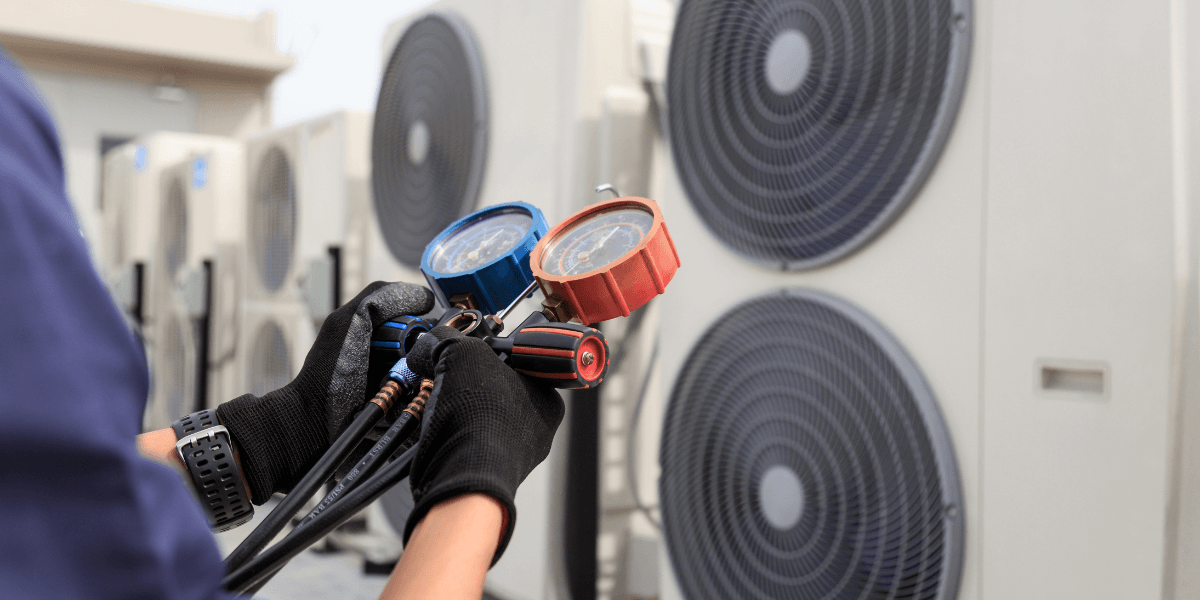
Refrigerant leaks are one of the most common problems in the life cycle of refrigeration and air conditioning systems, with direct consequences on energy efficiency, reliability, and environmental sustainability. While in older systems, leaks can be primarily associated with wear, corrosion, or component deterioration , in newly installed or recently commissioned systems, the most common cause is often due to errors during the installation phase .
A system that leaks refrigerant during the initial stages of operation can experience progressive performance declines, increased consumption, and the risk of damage to internal components. Furthermore, refrigerant leakage represents a significant environmental problem, especially considering the reduction of high-GWP refrigerants promoted by European regulations. For this reason, proper system commissioning is a crucial step to ensure efficiency, safety, and regulatory compliance.
Brazing, pipe preparation and joint inspection
Among the main causes of leaks in new installations are problems with refrigerant pipe joints , particularly when brazing is performed incorrectly. Improper welding can create weak points that, even if they don't initially present problems, can develop leaks over time due to temperature variations, vibrations, and mechanical stresses in the system.
To reduce the risk of anomalies, it is essential to follow precise procedures during installation, paying particular attention to:
- Thorough cleaning of the joint surfaces , eliminating residues, oils and impurities that may compromise the adhesion of the brazing material;
- Use of nitrogen during brazing , to limit the formation of oxidations inside the pipes;
- Correct management of temperature and heating technique , so as to guarantee a uniform and resistant joint;
- Check connections and components before start-up , preventing small defects from becoming more complex problems.
The quality of the installation therefore plays a crucial role: a correctly constructed system reduces the need for subsequent interventions and guarantees a longer operational life.
Pressure testing and commissioning: essential steps to avoid technical recalls
One of the most effective strategies for identifying leaks before the system is delivered is to perform a leak test with pressurized dry nitrogen . This procedure allows you to verify the integrity of the refrigeration circuit before introducing the refrigerant and before the system is put into final operation.
A thorough inspection phase allows for the immediate detection of any problems related to faulty joints, damaged components, or installation errors, avoiding costly subsequent repairs and reducing the risk of customer recalls. This aspect becomes even more important with the spread of new A2L refrigerants , for which testing and safety procedures are increasingly central.
Correct commissioning should therefore not be considered a simple operational step, but an integral part of the system's design and overall quality. A system that is monitored and verified from start-up offers greater reliability, better performance, and more efficient long-term management.
Training and skills: technical quality at the heart of refrigeration
Refrigerant leak prevention highlights an increasingly important issue for the HVAC/R industry: the value of specialized technical expertise. Many problems that arise during system operation aren't necessarily caused by the technology used, but by improper installation procedures or insufficient operator training.
As the industry evolves, characterized by the spread of low-impact refrigerants, more complex systems, and increased regulatory requirements, the role of the refrigeration engineer becomes increasingly strategic . The ability to perform precise installations, conduct preventive diagnoses, and correctly apply control procedures is essential to ensuring more efficient and sustainable systems.
Investing in ongoing training therefore means reducing anomalies, improving the quality of interventions, and contributing to more responsible management of refrigerants throughout the entire life cycle of the systems.

Related Focus

FAQ – Domande frequenti
Leaks during start-up can immediately compromise the efficiency, safety, and reliability of the refrigeration system. An insufficient refrigerant charge reduces refrigeration capacity, increases electricity consumption, and can cause abnormal operating conditions for compressors, expansion valves, and other components. In new systems, an initial leak often indicates critical issues during installation, testing, or commissioning.
The most common causes include incorrect refrigerant connections, improper brazing, insufficient tightening, uncompensated vibrations, incompatible components, or incomplete leak tests. Improper procedures during vacuuming, charging, or refrigerant transfer can also create conditions that promote microleaks over time.
Before start-up, it is necessary to perform circuit leak tests, pressure checks, joint inspections, proper vacuum execution, refrigerant charge checks, and initial operating parameters. The use of leak detection tools and documented procedures allows anomalies to be identified before the system enters continuous operation.
