




Counterfeit refrigerants: traceability and verified suppliers become crucial for safety
The spread of counterfeit and non-compliant refrigerants makes it increasingly important to verify suppliers, documentation, and traceability of the gases used.
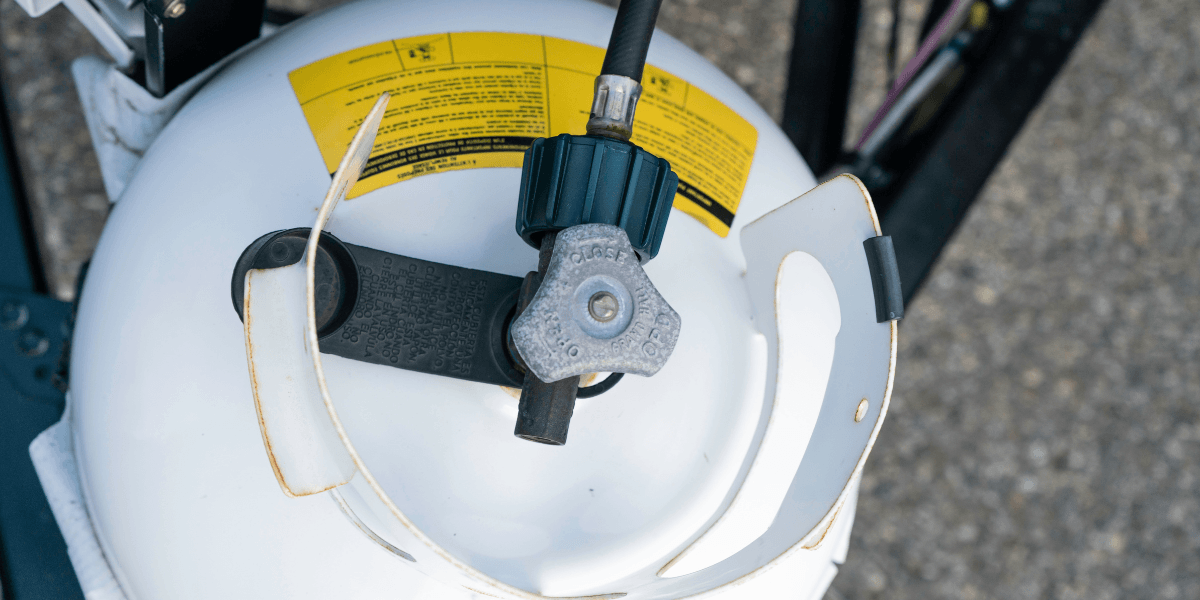
The transition to lower GWP refrigerants is rapidly transforming the HVAC/R market, increasing demand for new fluids and making supply chain management more complex. This also increases the risk of counterfeit, non-compliant, or mislabeled refrigerants entering distribution channels with packaging seemingly similar to that of authorized manufacturers.
The problem isn't just about product legality. Improperly identified, untraceable, or non-declared refrigerant composition can pose technical, environmental, and safety risks : component damage, loss of efficiency, premature failure, warranty issues, and potential liability for distributors, installers, and maintenance personnel.
The transition to A2L requires a more controlled supply chain
The introduction of A2L refrigerants represents one of the most important steps in the HVAC/R transition. These fluids were developed to reduce the climate impact compared to many traditional HFCs, but they require specific handling, transportation, charging, and equipment compatibility procedures.
Precisely for this reason, the reliability of the label and documentation becomes fundamental . If the contents of a cylinder do not correspond to what is declared, the operator may find himself using a fluid unsuitable for the system, with potentially significant consequences for safety and performance.
For the refrigeration industry, the transition to low-GWP refrigerants cannot be separated from strengthening controls along the entire supply chain. The issue is not the refrigerant itself, but ensuring that the purchased product is authentic, compliant, and properly traced.
How to recognize the signs of possible counterfeiting
Counterfeit refrigerants can be difficult to spot , especially when packaging, colors, and branding are reproduced to appear credible. However, there are certain factors that should always be checked before purchasing and using them.
The main warning signs include:
- damaged, repainted or tamper-proof cylinders ;
- labels that are difficult to read, incomplete or inconsistent with the declared product;
- missing batch codes , safety markings or technical information;
- prices significantly lower than market value;
- lack of clear documentation on the origin of the refrigerant;
- difficulty in tracing an authorized manufacturer or distributor .
A seemingly affordable price can therefore hide much higher costs in the medium term. A non-compliant refrigerant can compromise the system, generate service recalls, damage components, and jeopardize the operator's reputation.
Responsibility, documentation and service quality
Refrigerant management today requires greater attention not only from manufacturers, but also from distributors, installers, and maintenance personnel . Purchasing from authorized suppliers, verifying documentation, and maintaining visibility of product origin are essential to reducing the risk of introducing illegal or non-compliant refrigerants into systems.
This is a particularly sensitive issue because the consequences can also impact operators downstream in the supply chain. Those who purchase and use refrigerants of unverified origin may expose themselves to technical, regulatory, and commercial risks, especially if the product causes malfunctions, violates purity requirements, or fails to meet the conditions set by the equipment manufacturer.
For this reason, traceability must become standard practice in HVAC/R service. This means retaining purchase documents, technical data sheets, supplier references, batch information, and any other information useful for demonstrating the conformity of the refrigerant used.
A more transparent supply chain to support the refrigerant transition
The widespread use of low-GWP refrigerants requires technical expertise, but also a reliable supply chain. System safety depends not only on design, installation, and maintenance, but also on the quality of the materials used and the assurance that each refrigerant complies with its specifications.
In a market experiencing the HFC phase-down, the growth of A2Ls, and pressure on gas availability, the risk of non-compliant products can increase. Therefore, it is essential to strengthen relationships with verified suppliers, avoid shady purchases, and consider the refrigerant's origin as an integral part of service quality.
For professional refrigeration, the message is clear: the sustainable transition must also be a safe and traceable transition . Only a transparent supply chain can protect the right systems, technicians, end customers, and operators, ensuring that the transition to new refrigerants occurs without compromising reliability, compliance, and safety.

Related Focus

FAQ – Domande frequenti
Purchases should be made only from authorized suppliers, with complete documentation regarding the origin, batch, safety data sheet, product conformity, and commercial traceability. It is important to verify consistency between labeling, packaging, seals, shipping documents, and invoices. Aberrant prices, unidentifiable cylinders, missing documentation, or non-specialized sales channels are risky signals that should prevent purchases before use in the facility.
A non-compliant refrigerant can alter system performance, increase consumption, generate unexpected pressures, damage compressors and valves, or complicate fault diagnosis. Furthermore, if mixed with gas already present in the system, it can compromise the recovery and subsequent regeneration of the refrigerant. In the event of an accident or inspection, lack of documentation can expose the company to technical, financial, and regulatory liabilities.
The supply chain can reduce risk by adopting centralized purchasing procedures, supplier qualification, document controls, technician training, and accurate tracking of movements. It is also helpful to perform visual inspections of cylinders, batch verification, and, in cases of doubt, refrigerant analysis before use. The safety of the refrigeration system also depends on the quality of the fluid used: choosing verified suppliers therefore becomes an integral part of the design, maintenance, and responsible management of the systems.
