




Flammable natural refrigerants: safety through technical training and good operating practices.
The spread of flammable natural refrigerants makes technical training increasingly crucial to ensuring safe and reliable interventions.
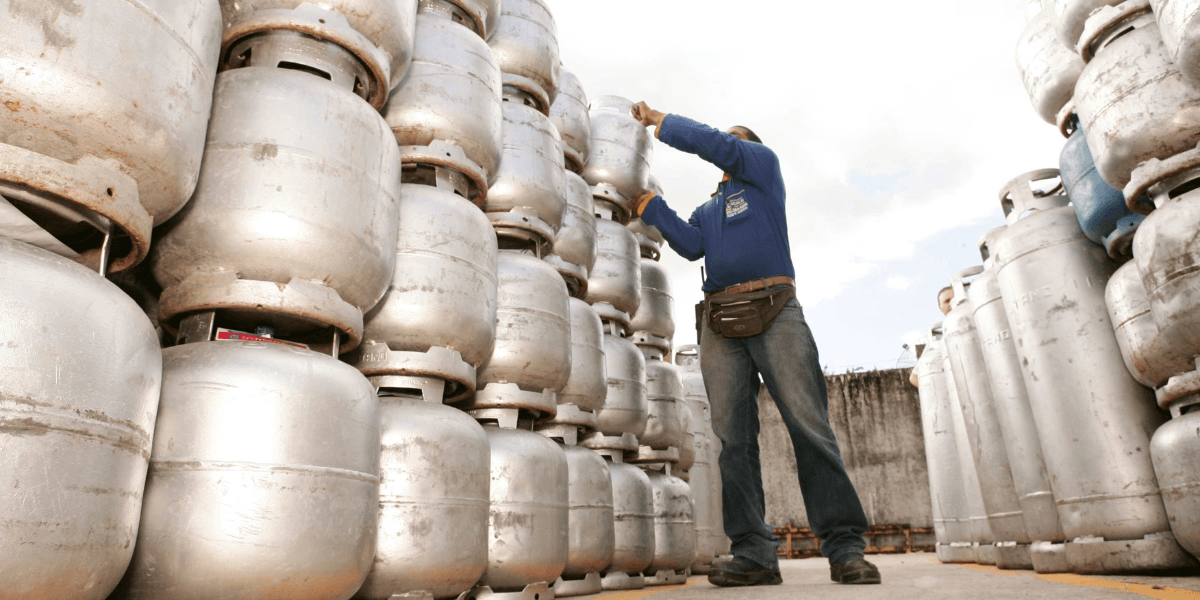
The spread of flammable natural refrigerants , such as R290 and R600a, is significantly changing the work of refrigeration technicians , especially in servicing domestic and commercial refrigeration systems. The transition to lower environmental impact solutions brings with it new opportunities, but also more specific operational responsibilities, related to safety, proper management of interventions, and knowledge of available technologies.
In this scenario, training plays a key role. Regulatory developments, especially in light of the revision of the F-Gas Regulation, make it increasingly important to train technicians, bench staff, distributors, and supply chain operators to fully understand the practical implications of using flammable refrigerants. It's not just about knowing the product or component, but also about understanding the procedures, risks, and most suitable tools for working safely.
A3 refrigerants and service: increasingly specialized skills
The increase in commercial refrigeration systems using natural refrigerants is making it more common to work on systems with A3-classified refrigerants , which are characterized by low toxicity but high flammability . For refrigeration professionals, this means updating their skills, equipment, and operating procedures, especially in maintenance, retrofitting, and repair activities.
Managing these refrigerants requires special attention at every stage of the operation: assessing the situation, identifying the correct procedures, reducing potential ignition sources, ensuring the reliability of refrigerant connections, and using tools compatible with the application. In this sense, safety does not depend on a single factor, but on a combination of training, practical experience, availability of appropriate solutions, and adherence to good operating practices.
This is why training courses are growing, both for service technicians and those working in specialized distribution . Staff who work closely with installers and maintenance technicians play an important role in providing accurate information, guiding them towards the most suitable tools, and supporting more informed management of interventions.
Flameless connections and reduced operational risks
One of the most important issues for servicing systems with flammable refrigerants is the choice of connection technologies . In these contexts, solutions that allow for operation without the use of an open flame are a particularly attractive option because they help reduce risks during maintenance and repair activities.
The focus on mechanical joining systems and kits dedicated to R290 work stems from the need to make field work safer and more convenient. The most frequent requests concern:
- retrofit interventions on existing systems;
- maintenance of systems with A3 refrigerants;
- reduction of risks associated with hot operations;
- greater reliability of refrigeration connections;
- local availability of tools and components for service.
The growth in these needs confirms that the transition to natural refrigerants cannot be addressed solely from an environmental perspective. A supply chain capable of making expertise, technologies, and technical support accessible is needed, especially in the most widespread application contexts, such as commercial refrigeration and large-scale retail.
A more prepared supply chain for sustainable refrigeration
The sustainability of refrigeration also depends on operators' ability to work in safe and controlled conditions. The use of natural refrigerants can help reduce the climate impact of systems, but requires a quantum leap in technical preparation, skill distribution, and the sharing of best practices.
For this reason, direct training in the field is becoming a strategic element. Courses, application demonstrations, discussions with technicians, and sales staff refresher courses allow us to connect theoretical knowledge to the real needs of daily service.
In a market where systems using natural refrigerants are expected to grow, safety becomes an integral part of the transition. The challenge for the refrigeration supply chain is to build a more prepared ecosystem, where innovation, training, and operational support help professionals navigate the change with appropriate tools and reliable procedures.

Related Focus

FAQ – Domande frequenti
The main critical issue concerns managing flammability risks, which requires particular attention throughout all phases of the system's life cycle. From a system engineering perspective, it is necessary to comply with load limits, ensure adequate ventilation, use certified components, and prevent potential ignition sources. Furthermore, installation, maintenance, and leak detection require specific tools and procedures for safe operation.
Flammable natural refrigerants, particularly R290 (propane) and R600a (isobutane), are becoming widely used in heat pumps, plug-in commercial refrigeration, and residential and light commercial HVAC systems. Their growth is linked to their extremely low GWP and compliance with future F-Gas restrictions. In many applications, they now represent a strategic solution for combining energy efficiency, environmental sustainability, and long-term regulatory continuity.
The safety of systems using flammable refrigerants depends heavily on the level of training of designers, installers, and maintenance personnel. Knowledge of standards such as EN 378 and IEC 60335-2-40 is essential, as well as correct charging, recovery, and emergency management procedures. Good operating practices reduce the risk of accidents, improve system reliability, and ensure regulatory compliance throughout the entire operating cycle.
