



Focus - Around the world

Attacks on refrigeration systems are pushing EU and national authorities to strengthen coordination, access controls, and cyber risk management.

Humidity, air, residues, or other refrigerants can compromise performance and safety: purity and traceability become essential.

The attacks on European refrigeration systems demonstrate how cybersecurity is now crucial to protecting temperatures, products, and cold chain continuity.

The Cyber Resilience Act introduces new cybersecurity requirements for connected HVAC/R products, from design to software updates.

Connected refrigeration increases efficiency and remote control, but makes cybersecurity, updates, and access protection increasingly important.
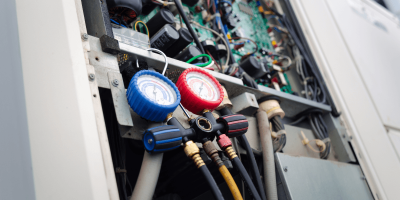
ASERCOM updates its guide on components for flammable refrigerants, with new clarifications on EN standards, risk assessment, ATEX and PED.
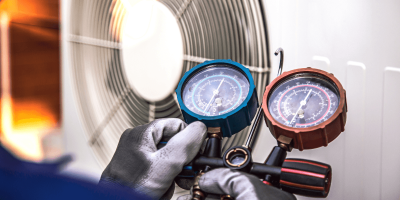
The widespread use of R290 in split systems requires new skills in installation, maintenance, risk assessment and safe management of A3 refrigerants.
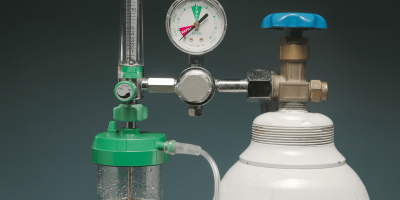
R290, A2L and other flammable refrigerants require proper assessment of components, ATEX, leaks and mitigation systems.
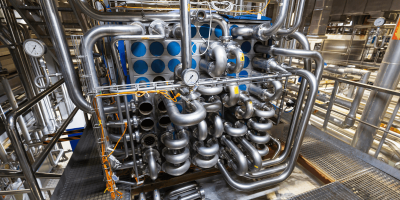
New certification paths could distinguish between CO₂ and HFC/HFO exchangers and introduce specific criteria for dry coolers and adiabatic systems.
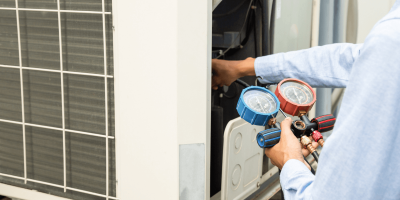
EN 12693:2026 updates the safety requirements for refrigeration compressors, focusing on vibration, thermal risks, and new refrigerants.
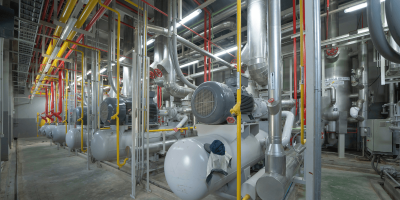
New harmonized EU standards strengthen safety requirements for compressors and motor-driven compressors used in refrigeration and heat pump applications.
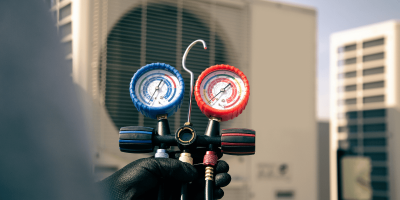
The spread of A2L in Europe makes correct installation, safety, commissioning and training of HVACR technicians even more important.
