




HFCs under pressure: between parallel markets and delays in refrigerant transition
Between the parallel market and dependence on HFCs, the refrigerant transition remains an open challenge for the HVAC/R sector.
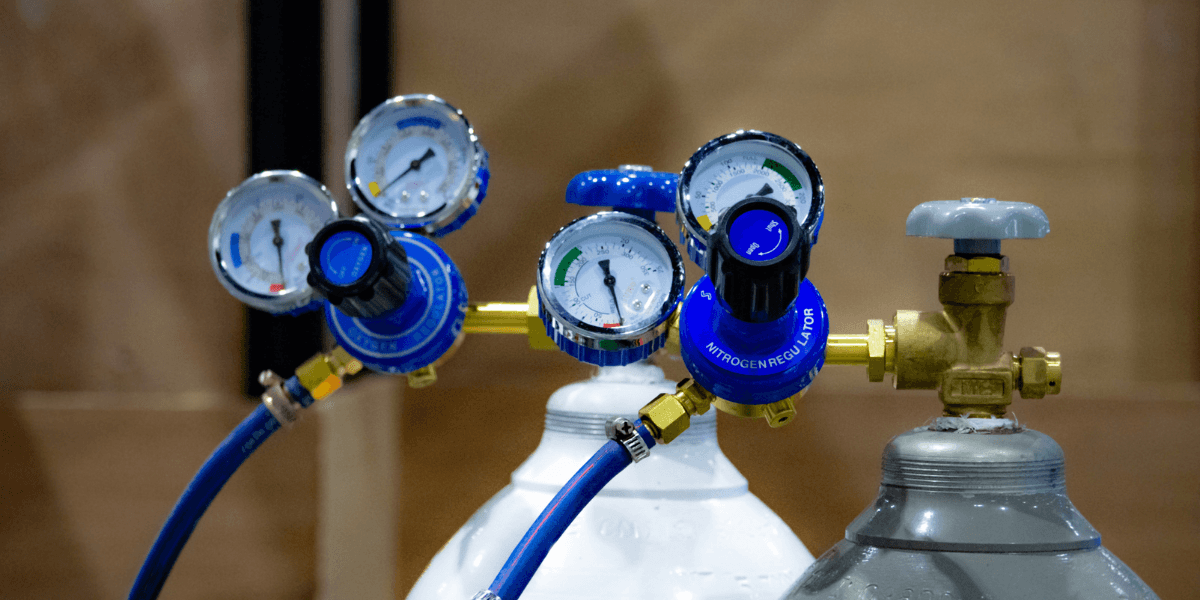
The reduction of HFCs is one of the pillars of the European climate strategy, but the actual path of the HVAC/R sector tells a more complex story. Alongside regulatory targets and the availability of alternatives, emerging market dynamics are slowing the transition and calling into question its effectiveness.
The issue is no longer just environmental: it concerns the stability of the system , the transparency of the supply chains and the ability of the sector to evolve in a manner consistent with the rules .
Beyond the regulations: a market that doesn't adapt at the same speed
The HFC phase-out has placed clear limits on the availability of these refrigerants, but their presence on the market remains significant. Part of this is due to the continuing high demand , but another, more critical component concerns the spread of non-compliant practices .
This is a parallel market that is fueled by:
- out-of-quota sales and undeclared imports
- misleading or non-transparent labeling
- products presented as refurbished but in fact new
These dynamics alter the functioning of the market, making high-GWP refrigerants available under conditions that do not reflect regulatory constraints.
An addiction that is difficult to overcome
At the same time, the industry continues to show a heavy reliance on HFCs. In many applications, these refrigerants remain the go-to solution due to cost, ease of use, and compatibility with existing systems.
This creates a short circuit: on the one hand, regulations push toward alternatives , on the other, the operating system struggles to abandon established technologies . The result is a slower-than-expected transition, in which new solutions coexist with models now destined to be superseded.
Alternatives available, but not yet systemic
Alternative solutions, from natural refrigerants to low-GWP fluids , are now technically mature and increasingly widespread. However, their adoption requires a more profound change than simply replacing the refrigerant.
Factors such as: come into play:
- adaptation of systems and components
- new operating conditions (pressures, safety, management)
- need for specific technical training
- initial investments and medium-long term planning
In the absence of balanced market conditions, this process risks proceeding at a slow pace.
Impacts on the refrigeration supply chain
For HVAC/R operators, the current context is characterized by double pressure: regulatory on one side, operational on the other.
Companies today find themselves operating in a complex environment, where they must simultaneously ensure compliance with ever-evolving regulations, defend themselves from distorted market dynamics, carefully plan their technological transition, and maintain competitiveness in an increasingly uncertain landscape.
The risk is that of market fragmentation , with different levels of adaptation and application of the rules.
A transition that requires governance, not just rules
The case of HFCs highlights a key point: the refrigerant transition cannot be driven solely by regulatory targets.
To be effective, it must be accompanied by:
- more rigorous and uniform controls on the market
- greater transparency along the entire supply chain
- policies to support the adoption of alternatives
- widespread development of technical skills
Only through an integrated approach will it be possible to overcome the current phase, transforming a complex transition into a real evolution of the sector.

FAQ – Domande frequenti
The parallel HFC market primarily impacts commercial refrigeration and the maintenance of existing systems, particularly in large-scale retail trade and split/VRF systems still based on fluorinated gases. In these contexts, the availability of low-cost but untraceable refrigerant disrupts procurement dynamics and can influence maintenance decisions. It is therefore crucial for designers and facility managers to assess supply chain compliance and plan retrofits to more regulatory-stable alternative solutions.
The spread of non-compliant HFCs introduces risks related to refrigerant quality, system safety, and operational traceability. From a regulatory perspective, this creates distortions with respect to the F-Gas Regulation, resulting in difficulties in monitoring and managing quotas. Operationally, this can result in unguaranteed performance, increased risk of failures, and issues during inspections, making it essential for operators to rely on certified suppliers.
Delays in the deployment of alternatives to traditional refrigerants create uncertainty in investment decisions, especially for systems with long life cycles. Designers must balance the need for future compliance with immediate economic sustainability, evaluating retrofit solutions or hybrid systems. This scenario requires a flexible approach, focused on LCC analysis and preparing systems for future conversion to low-GWP refrigerants, reducing the risk of technological obsolescence.
