




Illegal Refrigerant Trafficking: When Parallel Markets Put Pressure on the HVAC/R Transition
Illegal trafficking of HFCs in Italy is putting pressure on the refrigerant transition, amid market concerns and regulatory challenges.
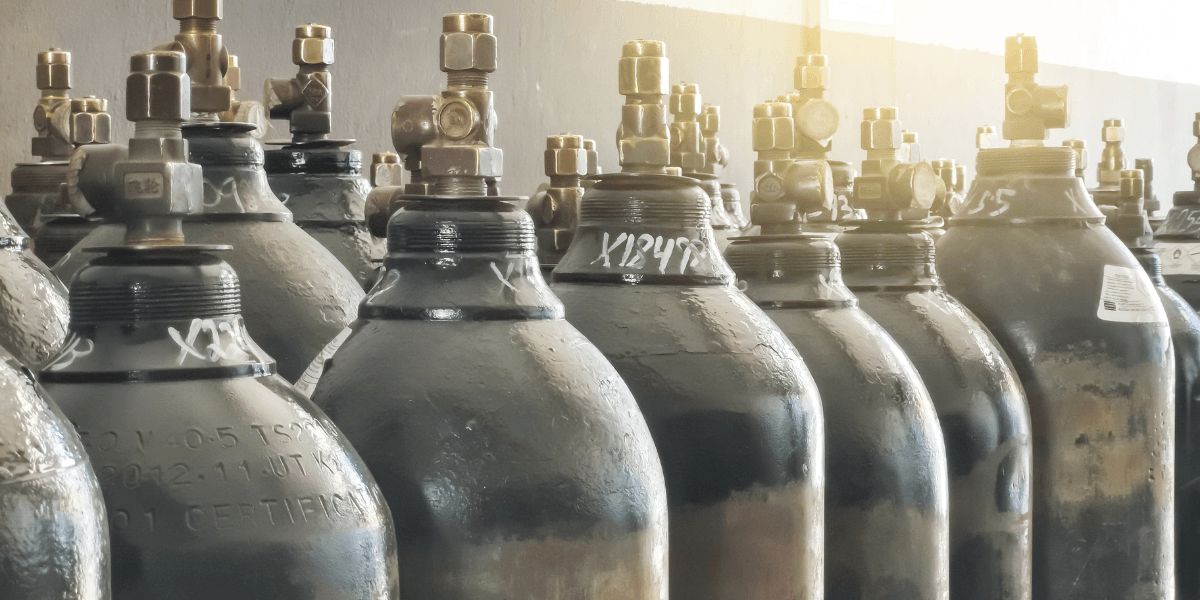
The transition to low-impact refrigerants faces an increasingly evident challenge : the growth of illegal HFC trafficking . These are not isolated incidents, but a structured phenomenon that affects the entire supply chain, from distribution to sales, and which risks compromising the environmental objectives set at the European level.
In this scenario, the issue is not only about sustainability , but also about market stability and the credibility of fluorinated gas reduction policies .
Italy, a strategic hub in illegal trade
Recent investigations highlight how Italy represents a key hub for illegal refrigerant trafficking in Europe . On the one hand, the country is one of the most important markets for refrigeration; on the other, it records a high number of HFC seizures, a sign of intense enforcement activity but also of a significant spread of the phenomenon.
Illegal practices are complex and widespread throughout the supply chain. Among the main irregularities discovered are exceeding permitted quotas, falsifying invoices, and the improper classification of virgin gas as reclaimed .
These dynamics allow the placing on the market of non-compliant products, often at competitive prices, altering the rules of the official market.
A permeable and difficult to control supply chain
One of the most critical aspects concerns the ability of these products to enter official supply chains . In some cases, illegal refrigerants manage to reach large end users, making the phenomenon even more complex to identify and combat.
This situation stems from a structural flaw: poor traceability along the supply chain. Once placed on the European market, it becomes difficult to accurately distinguish between legal and illegal products, especially in the absence of uniform and effective control systems.
This creates an environment in which even good-faith operators may find themselves exposed to legal and reputational risks.
Prices, demand and illegality: an unstable equilibrium
Illegal trafficking is also fueled by economic factors . The reduction in HFC quotas required by European legislation has limited the availability of these gases, while demand remains high, especially for the maintenance of existing plants.
This imbalance has led to a significant increase in prices , making the illegal trade particularly profitable and incentivizing the entry of new operators into the parallel market.
The result is an unstable system, in which economic and regulatory dynamics intertwine, creating spaces for non-compliant practices.
Impacts for the HVAC/R sector
For the refrigeration sector, the consequences are significant. Illegal refrigerant trafficking not only undermines climate objectives, but also creates competitive distortions and technical risks related to the use of uncertified products.
Companies therefore find themselves operating in a complex context, in which it becomes essential:
- ensure regulatory compliance throughout the supply chain
- check the reliability of suppliers
- manage the risk associated with untraceable products
- maintain high quality standards
In this scenario, transparency and control of the supply chain become strategic elements.
A transition that requires control and coordination
The case of illegal HFC trafficking highlights a key point: the refrigerant transition cannot be driven solely by regulatory objectives. Without an effective and coordinated system of controls, the risk is that of creating a parallel market that slows down change and reduces its impact.
To address the problem, it is necessary to strengthen cooperation between national and European authorities, improve refrigerant traceability, and introduce more effective tools to monitor the supply chain.
Only in this way will it be possible to ensure a truly sustainable transition, in which technological innovation and compliance with the rules move in the same direction.

FAQ – Domande frequenti
Illegal refrigerant trafficking significantly impacts the maintenance and management of existing systems in commercial refrigeration, large-scale retail trade, and residential air conditioning, where the use of HFCs is still widespread. In these contexts, the procurement of uncertified gases can disrupt maintenance and retrofit strategies, compromising reliability and regulatory compliance. It is therefore essential for designers and facility managers to plan the transition to alternative refrigerants while reducing dependence on uncontrolled supply chains.
The use of illegal refrigerants introduces concrete risks: uncertain fluid quality, possible undeclared mixtures, and incompatibility with system components. This can lead to efficiency losses, malfunctions, and increased failure rates. From an operational standpoint, this adds to the challenges of traceability, F-Gas register management, and inspections, potentially resulting in fines and operational shutdowns.
Designers must adopt a more rigorous approach to refrigerant selection, favoring certified suppliers and solutions compliant with European regulations. Integrating leak monitoring systems, gas traceability, and periodic checks is essential to ensure safety and operational continuity. Furthermore, it is advisable to design systems for alternative refrigerants, reducing the risk of obsolescence and dependence on unregulated markets.
