




Focus - Around the world
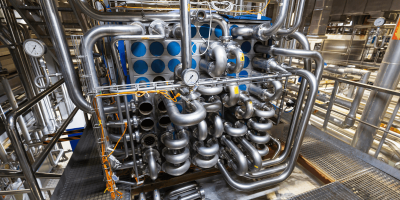
New certification paths could distinguish between CO₂ and HFC/HFO exchangers and introduce specific criteria for dry coolers and adiabatic systems.
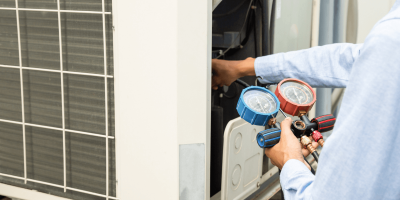
EN 12693:2026 updates the safety requirements for refrigeration compressors, focusing on vibration, thermal risks, and new refrigerants.
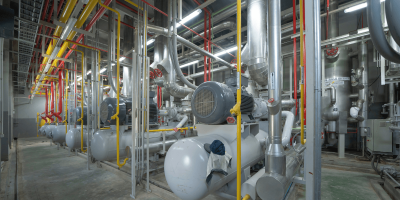
New harmonized EU standards strengthen safety requirements for compressors and motor-driven compressors used in refrigeration and heat pump applications.
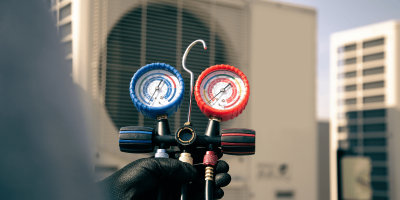
The spread of A2L in Europe makes correct installation, safety, commissioning and training of HVACR technicians even more important.
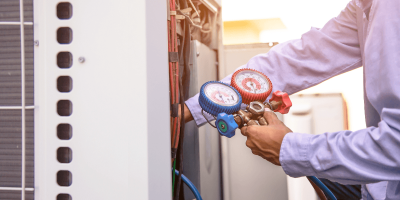
Superheating, subcooling, airflow, and glide: the parameters to evaluate for correct refrigerant charging.

Connected controllers and systems improve refrigeration management, but introduce new cyber risks to facilities and the cold chain.

Certification for natural refrigerants does not replace assessment, training, and workplace safety requirements.
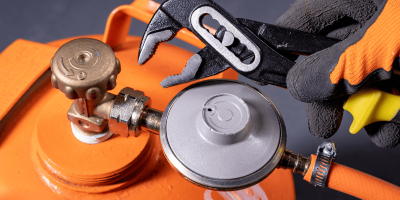
Design, training, and operating procedures are critical to the safe handling of flammable refrigerants.
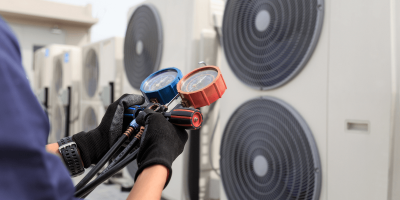
Refrigerant leaks in new installations can compromise the efficiency and reliability of the systems: correct installation, leak testing, and technical training are essential.

The UNEP guide helps governments develop national plans for managing refrigerants, reducing emissions and improving the efficiency, safety and sustainability of the refrigeration sector.

The IIR’s Global Refrigeration Outlook provides a comprehensive view of the trends, regulations, and technologies transforming the HVAC/R industry.
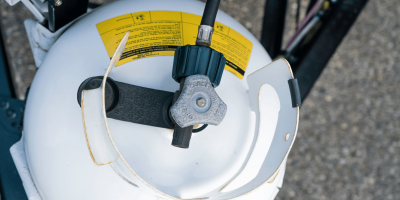
The spread of counterfeit and non-compliant refrigerants makes it increasingly important to verify suppliers, documentation, and traceability of the gases used.
