




Focus - Renewable energy

In Q2 2026, the prices of R290 and R32 are expected to rise the most, while the European refrigerant market remains overall stable on the supply side.

Propane, CO₂, and ammonia are making gains in European commercial chillers and heat pumps, driven by the new F-Gas framework.

The new F-Gas regulation strengthens controls and traceability: illegal trade, recovery, and safety become central issues for refrigerants.

CO₂, R290 and ammonia can cover a growing number of HVACR applications, but training and skills remain crucial to their widespread use.

The new F-Gas standard extends certification and training to CO₂, ammonia, and hydrocarbons, preparing technicians for the refrigerant transition.

The transition to A2L refrigerants is changing VRF systems, including charge limits, leak detection, and new F-Gas deadlines.

The HFC phase-down is progressively reducing the availability of R134a, making recovery and regeneration increasingly important for service.

AI is increasing rack density in European data centers and driving liquid cooling, placing new demands on design, efficiency, and thermal control.
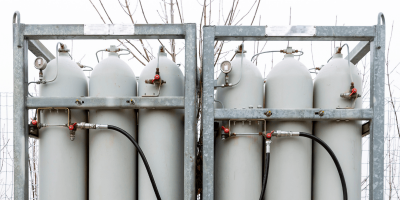
R-410A is still available for service, but the reduction of HFCs will make recovery and regeneration increasingly strategic.

The future European restriction of PFAS could impact refrigerants, components, and technological strategies in commercial refrigeration.

The Italian refrigeration supply chain can transform the transition to natural refrigerants into an opportunity for innovation, growth, and exports.
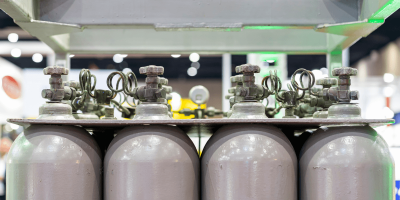
The F-Gas Regulation accelerates the transition to low-GWP refrigerants, with new deadlines for chillers, air conditioning, and heat pumps.
