




Focus - Renewable energy
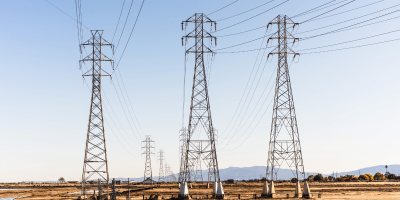
The EU's electrification plan also impacts the refrigeration sector: technological developments, energy efficiency, and competitiveness challenges in the transition to sustainable electrical systems.
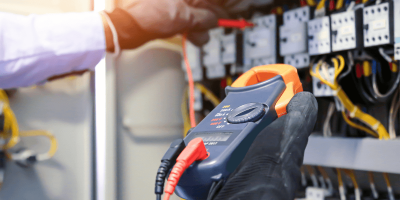
The transition to A2L refrigerants introduces compliance issues regarding safety, regulations, and HVAC/R system design.

Refrigerant price monitoring helps the HVAC/R supply chain manage HFC phase-downs, procurement, and the transition to lower-GWP alternatives.
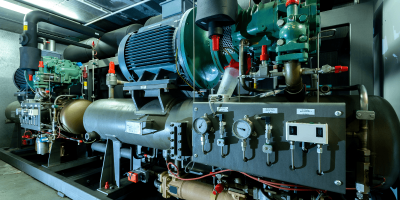
Refrigerant recovery can become a strategic lever to reduce waste, support regeneration and create new opportunities for the HVAC/R supply chain.
Delaying the transition away from HFCs may offer short-term flexibility, but it increases the risk of shortages, price increases, and service disruptions.

The European Commission clarifies that F-Gas certification does not replace mandatory training on the safety of alternative refrigerants.

The spread of flammable refrigerants makes safety, design, and training increasingly central to the HVAC/R industry.
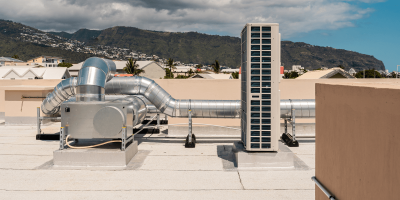
The transition to low-GWP refrigerants continues to evolve amid new regulations, A2L, and operational challenges for the HVAC/R industry.
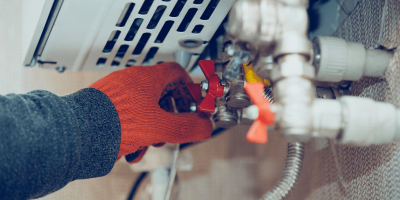
R290 heat pumps reach 38% of EU certifications, marking the growth of natural refrigerants in the HVAC/R sector.
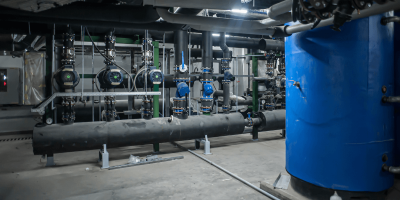
Natural refrigerants are increasingly gaining ground in commercial and industrial refrigeration, but operational and regulatory challenges remain.
The refrigerant transition brings new operational challenges regarding retrofits, safety, and expertise to the HVAC/R industry.

At MCE 2026, focus on F-Gas, alternative refrigerants, and skills for the transition of the HVAC/R sector.
