




Refrigeration and climate: why cooling is a global energy challenge
Growing demand for cooling makes refrigeration a global energy challenge for the HVAC industry.
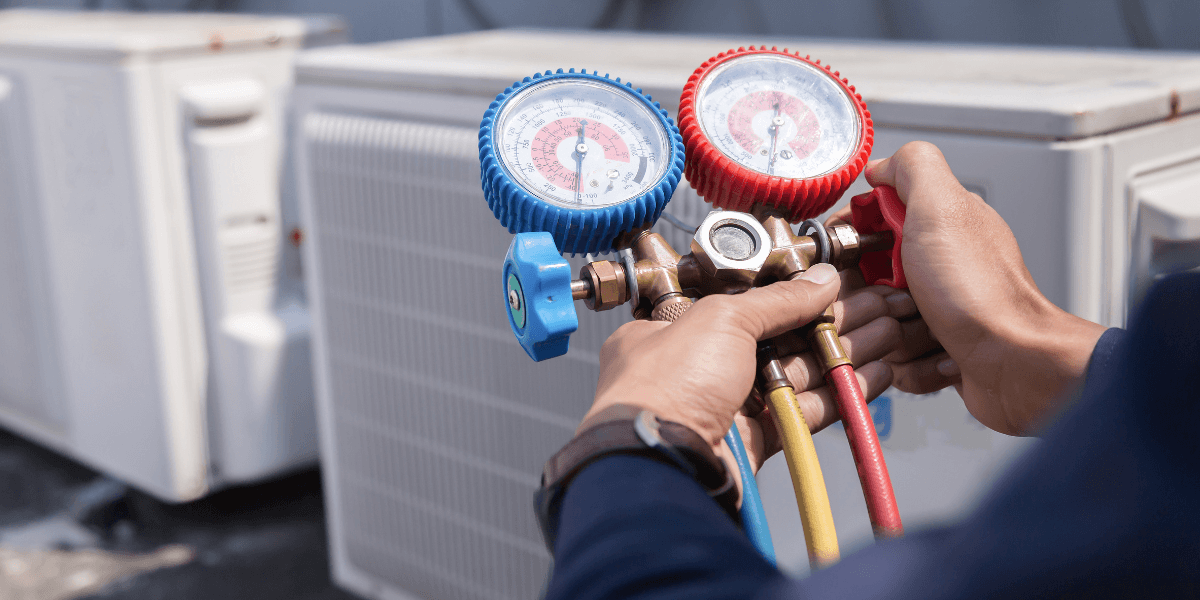
Cooling is no longer just a matter of comfort, but one of the most significant challenges for the global energy future. Rising temperatures and cooling demand are making refrigeration a central concern for HVAC designers, installers, and operators, who must balance performance, consumption, and emissions.
A growing demand that changes the sector
The need for cooling is expected to increase significantly in the coming years, driven by climate factors, urbanization, and the spread of systems even in previously underserved areas.
This scenario brings with it a double impact:
- increase in energy consumption related to systems
- growth of indirect emissions , linked to energy production
For the HVAC industry, this means facing a profound evolution, in which refrigeration becomes a key element in managing global energy demand.
Efficiency and technology: where the game is played
The answer can't be just quantitative (more systems), but above all qualitative. Today, the focus is shifting to solutions that guarantee high performance while reducing environmental impact.
Among the main development directions we find:
- high energy efficiency systems
- use of low climate impact refrigerants
- integration with intelligent control logic and automation
Alongside traditional technologies, alternative solutions such as free cooling or evaporative cooling are also gaining ground, which reduce energy requirements by exploiting favorable environmental conditions.
The Role of HVAC Professionals in the Transition
In this context, the contribution of professionals becomes crucial. It's not just about installing systems, but designing systems capable of meeting increasingly complex needs.
Designers and installers are called to:
- evaluate integrated and scalable solutions
- optimize the sizing of the systems
- ensure efficiency throughout the life cycle
Refrigeration, therefore, is no longer an isolated sector, but a strategic component in the energy design of buildings and infrastructure.

FAQ – Domande frequenti
Demand for cooling is growing rapidly globally due to rising temperatures and urbanization, with a direct impact on energy consumption and emissions related to energy production.
Through the use of high-efficiency technologies, low GWP refrigerants, and advanced control systems that optimize consumption and improve system performance.
Among the most widespread solutions are free cooling, evaporative cooling and intelligent integrated systems, which allow for a reduction in energy requirements by exploiting favourable environmental conditions.
