




Refrigerant life cycle management: a strategic lever for reducing emissions and environmental impacts
Refrigerant life cycle management becomes strategic to reduce emissions and improve sustainability in the HVAC/R sector.
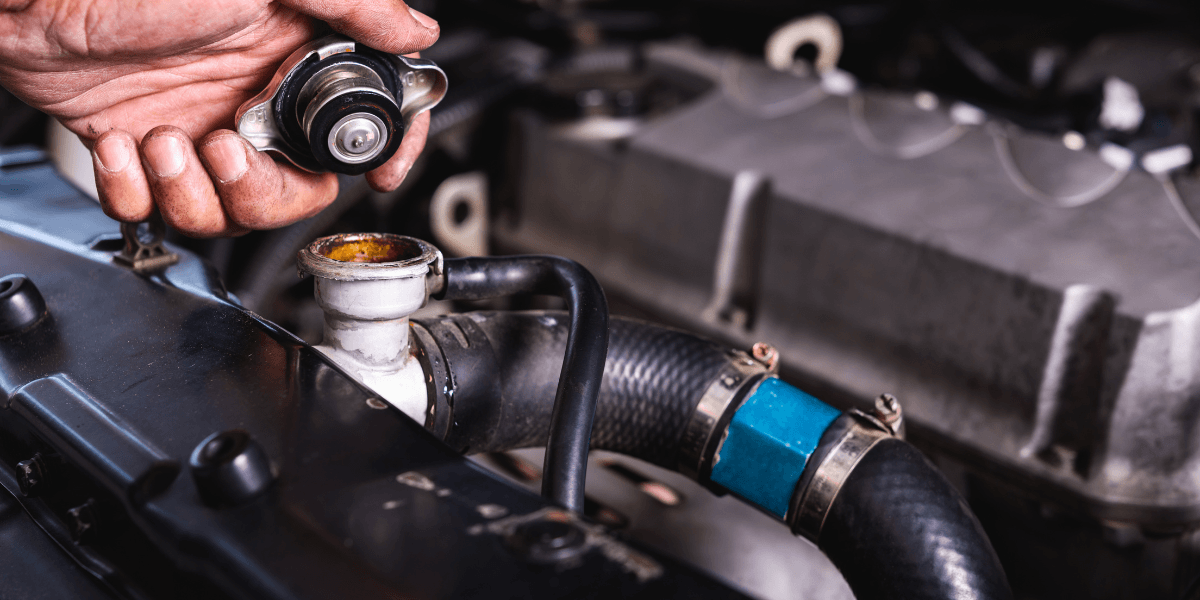
As the HVAC/R industry transitions , attention is no longer focused solely on refrigerant selection, but on the entire life cycle of the fluid within the system . In this context, the topic of Life-Cycle Refrigerant Management (LRM) is becoming increasingly central to international emission reduction strategies.
The indications emerging at the institutional level highlight how more effective management of refrigerants throughout all operational phases can contribute significantly both to protecting the ozone layer and to mitigating climate change.
A systemic approach throughout the life cycle
Life-Cycle Refrigerant Management introduces an integrated approach that encompasses the entire refrigerant lifecycle, from operational to end-of-life management. It's not just about choosing low-GWP fluids, but about taking concrete action on how they are used, maintained, and recovered over time.
In this model, activities such as:
- prevention of losses during plant operation
- recovery and management of refrigerant in maintenance operations
- regeneration and reuse of refrigerant fluids
- controlled disposal of non-recoverable refrigerants
This approach allows for a significant reduction in indirect emissions, which are often linked more to management than to the choice of refrigerant itself.
Operational impacts and the role of skills in the HVAC/R sector
International analyses highlight how a significant portion of emissions arises from lifecycle losses and suboptimal plant management practices. In this scenario, the LRM complements the fluorinated gas phase-down policies , contributing to improving the sector's overall sustainability.
For HVAC/R operators, this translates into an evolution of the required skills: it becomes essential to invest in technical training, monitoring tools, and recovery and regeneration processes.
Refrigerant life cycle management is therefore not just a regulatory issue, but represents a concrete opportunity to increase system efficiency, reduce operating costs, and improve environmental performance.
Towards a more sustainable management of refrigerants
The future of the HVAC/R industry also depends on the ability to optimize the management of existing refrigerants. Life-Cycle Refrigerant Management is a key strategy for this transition, integrating innovation, sustainability, and technical expertise into a single operating model.
A paradigm shift that shifts the focus from simply replacing fluids to a more conscious and structured management of the entire life cycle.
FAQ – Domande frequenti
Refrigerant life cycle management (LRM) is an approach that considers all stages of the refrigerant: production, use, recovery, regeneration, and disposal . The goal is to prevent the release of gases into the atmosphere and reduce their environmental impact throughout their life cycle.
Key activities include refrigerant recovery during maintenance and decommissioning, recycling or regeneration for reuse, and safe destruction when it is no longer usable. These practices help limit losses and reduce the need to produce new refrigerant.
The LRM approach significantly reduces emissions of high-GWP gases, optimizes resource use, and aligns with European regulations. Furthermore, in a context of reduced F-Gas quotas, refrigerant recovery and reuse also becomes a competitive advantage for companies.
