



World Energy Outlook 2025: Electricity Grows, Cold Becomes a Central Variable
Global electricity demand is growing rapidly, and refrigeration is becoming a structural driver of consumption. Refrigeration is increasingly central to the energy system.
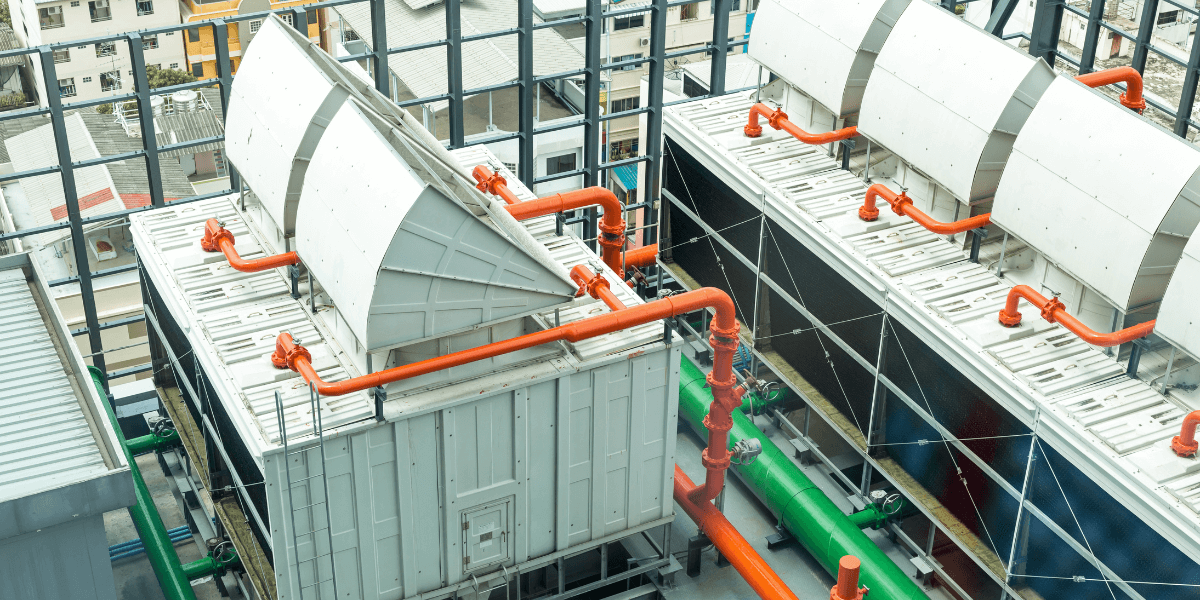
The World Energy Outlook 2025 depicts a rapidly changing energy system, where electrification, digitalization, and rising temperatures are redefining priorities. In this context, cold, including air conditioning and refrigeration, is taking on an increasingly central role, not only in final consumption but also in the design of networks and systems.
Electricity accelerates, also driven by cooling
Electricity demand is growing faster than overall energy consumption. This is not only due to industry and electric mobility, but also to the structural increase in cooling needs , especially in urban areas and countries with growing economies. Cold temperatures are thus becoming a structural driver of electricity demand, with an increasing impact on national energy budgets.
For the refrigeration sector, this means definitively moving away from an "accessory" logic: refrigeration systems contribute directly to network loads and power peaks, influencing the stability of the electrical system and energy management strategies.
Demand spikes and new operational criticalities
One of the most relevant aspects highlighted by the scenario is the growth of consumption peaks linked to extreme heat .
High and prolonged temperatures simultaneously increase the demand for cooling in buildings, retail outlets, warehouses, and industrial sites. This puts pressure on electricity grids and infrastructure, making the way cooling is designed and managed increasingly critical.
For commercial and industrial refrigeration , the issue isn't just how much energy is consumed, but when and how it is used. The ability to modulate loads, improve efficiency during peak demand, and ensure operational continuity becomes a key factor.
What's changing for commercial and industrial refrigeration?
In this scenario, the refrigeration sector is called upon for technical and strategic evolution . Some elements become central:
- real energy efficiency , not just nominal, to reduce consumption and impact on network peaks;
- integration with intelligent control and management systems , to adapt the operation of the systems to network conditions;
- resilience-oriented design , capable of ensuring reliability even in contexts of energy stress;
- reduction of specific consumption , as a competitive as well as environmental lever.
Refrigeration can no longer be designed as an isolated system: it must interact with the energy context in which it operates.
Cold as an energy infrastructure
The conclusion emerging from the World Energy Outlook 2025 is clear: refrigeration and air conditioning are becoming fully-fledged energy infrastructures. Their impact on electricity consumption requires a change in approach, both in terms of energy policies and system design.
This means looking at the refrigeration sector not just as a process technology, but as one of the key elements in the transformation of the energy system.
A transformation that requires skills, innovation, and an integrated vision, in which efficiency, continuity, and intelligent energy management become essential requirements.