






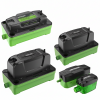
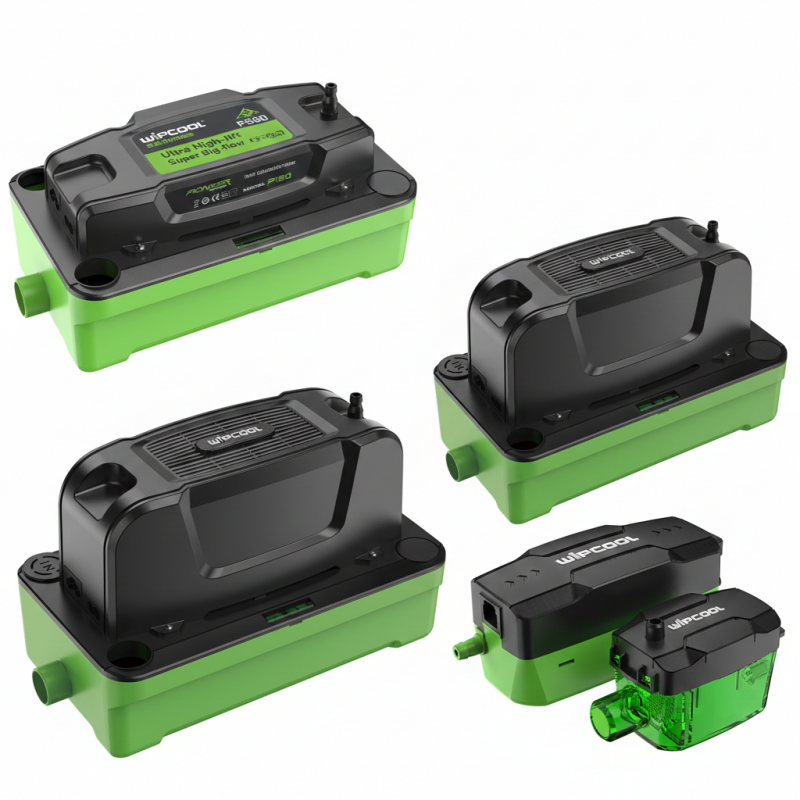
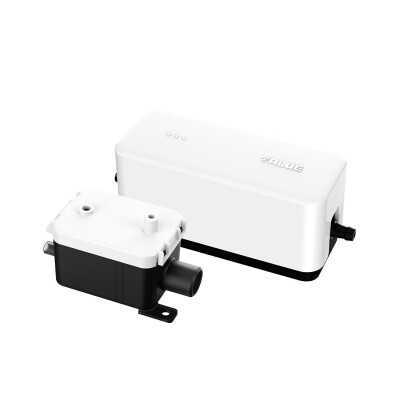
Range of automatic condensate drain pumps ideal for removing condensate water from air conditioning systems, heat pumps, and refrigeration units. Designed for various flow rates and system capacities, these pumps provide reliable, durable, quiet operation with minimal maintenance.
Description
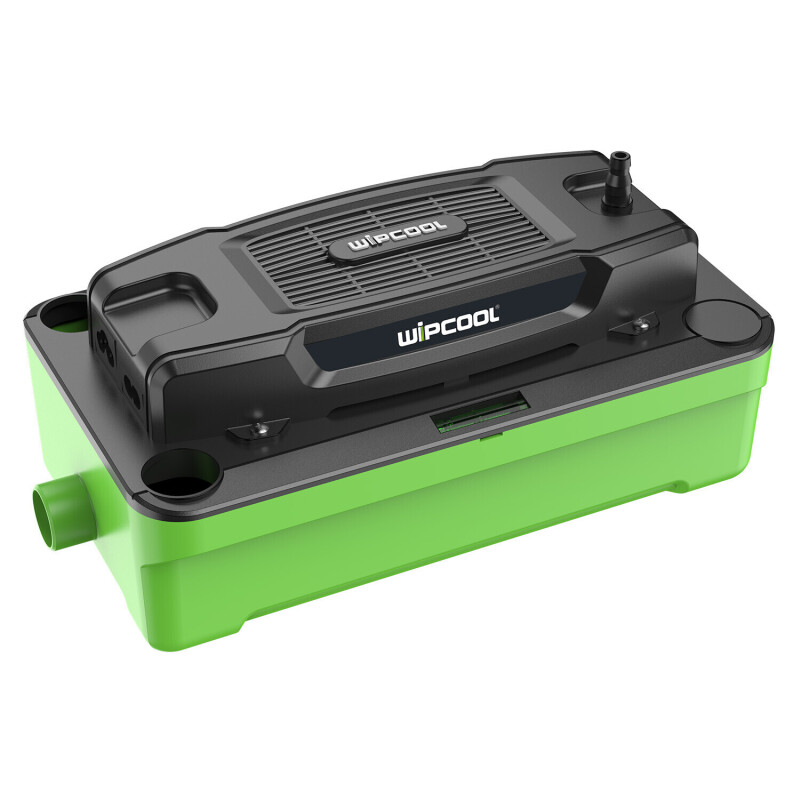
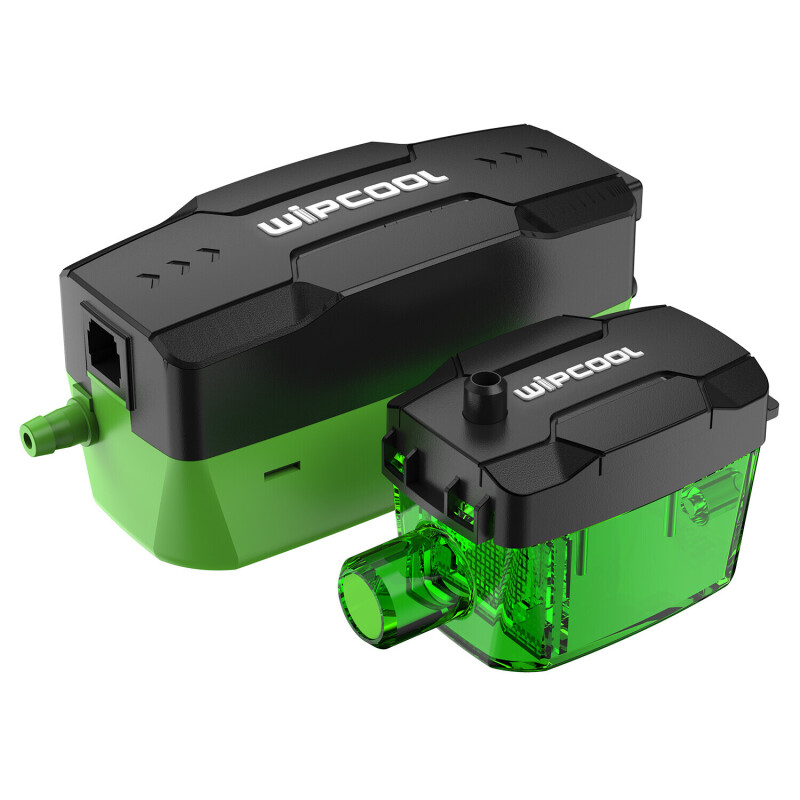
Condensate drain pumps are automatic devices that collect the water produced by A/C or HVACR systems and discharge it through piping to a specified height (head). Available models cover everything from small domestic split units to the needs of large commercial systems.
All pumps feature a collection tank, a safety switch with a level sensor that automatically shuts off the air conditioning unit when full, and a quiet brushless motor designed for long-lasting operation with minimal noise. Most models also include a check valve and motor thermal protection to ensure safe, low-maintenance operation.
Technical features
| Feature | Detail |
|---|---|
| Application | Condensate drainage from A/C and HVACR systems |
| Power supply | 220 V – 50 Hz (brushless motor or equivalent models) |
| Operation | Automatic with level sensor and safety switch |
| Protection | Motor thermal protection, check valve (where provided) |
| Maintenance | Minimal or virtually maintenance-free |
| Operating environment | Approx. 0–50 °C |
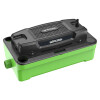
Mini-Slim Condensate Pump P16
-
Maximum flow: 16 L/h
-
Tank capacity: 35 ml
-
Maximum head: up to 10 m
-
Suitable for: Split units and small A/C systems up to ~30,000 BTU/h (≈ 8.8 kW)
-
Key features: Quiet brushless motor, multi-level sensor, drainage start LED, safety relay function
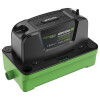
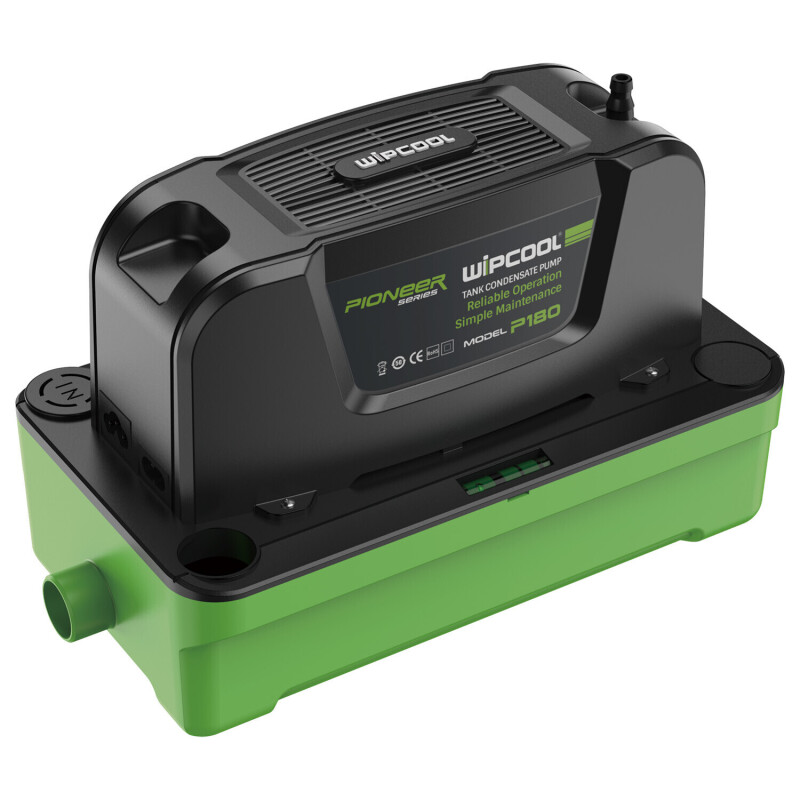
Condensate Pump with Tank P180
-
Maximum flow: 180 L/h
-
Tank capacity: 1.8 L
-
Maximum head: up to 4.5 m
-
Suitable for: A/C systems up to ~300,000 BTU/h (≈ 88 kW)
-
Key features: Easy-to-clean tank, forced ventilation cooling, anti-backflow design, floatless level sensors
Low-Profile Condensate Pump with Tank P380
-
Maximum flow: 380 L/h
-
Tank capacity: 1.8 L
-
Maximum head: up to ~6.8 m
-
Suitable for: A/C systems up to ~500,000 BTU/h (≈ 147 kW)
-
Key features: Low-profile design for tight spaces, quiet brushless motor, multiple inlets, minimal maintenance
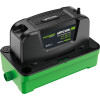
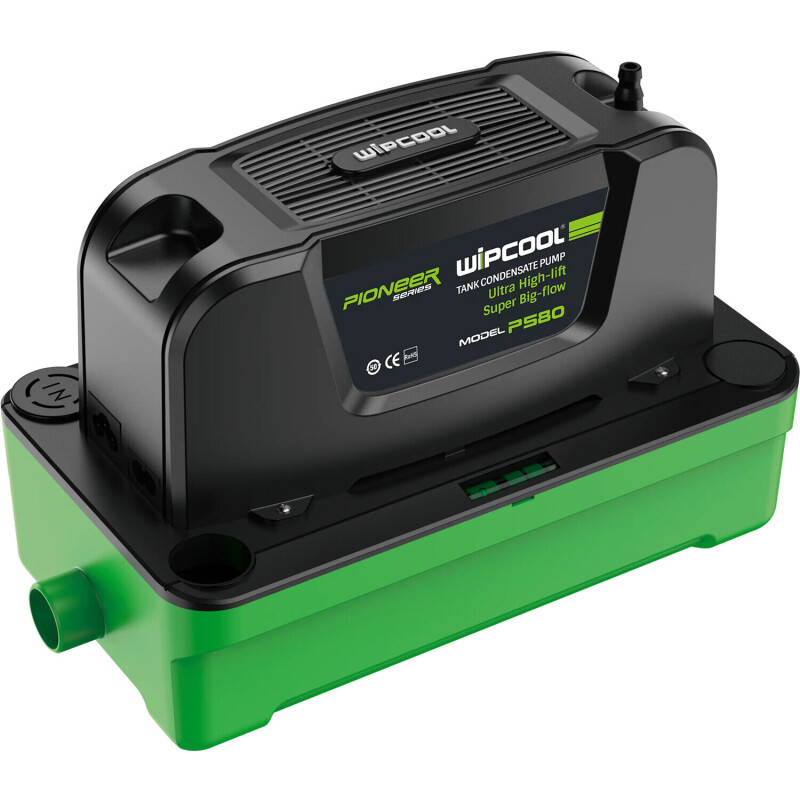
Condensate Pump with 1.8 L Tank P580
-
Maximum flow: 580 L/h
-
Tank capacity: 1.8 L
-
Maximum head: up to ~12 m
-
Suitable for: Large A/C systems up to ~500,000 BTU/h (≈ 147 kW)
-
Key features: Dual control sensors (probe + float), optional visual/acoustic alarms, ideal for ducted or industrial units
Applications
-
P16: Ideal for small indoor units with low condensate production.
-
P180: Suitable for medium-power units with moderate condensate output.
-
P380: Balances flow rate and compact size, perfect for installations with limited space.
-
P580: Handles large volumes and high discharge heights.


Request information for:
Wipcool Condensate Drain Pumps for A/C and HVACR Systems