





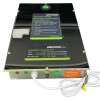
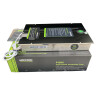
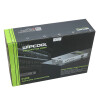
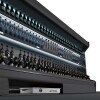
P120S Condensate Drain Pump for Supermarkets

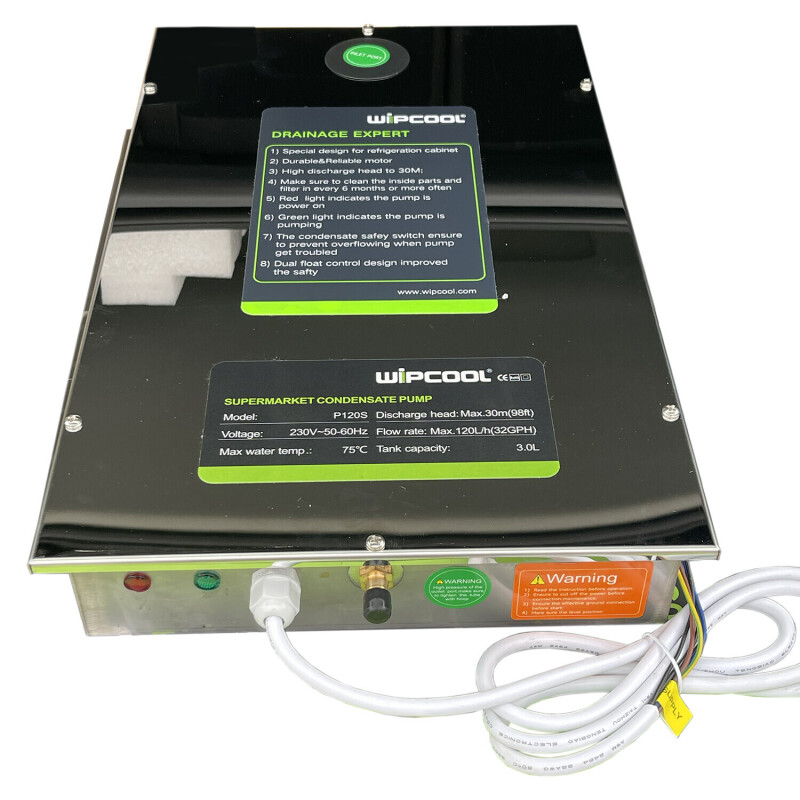
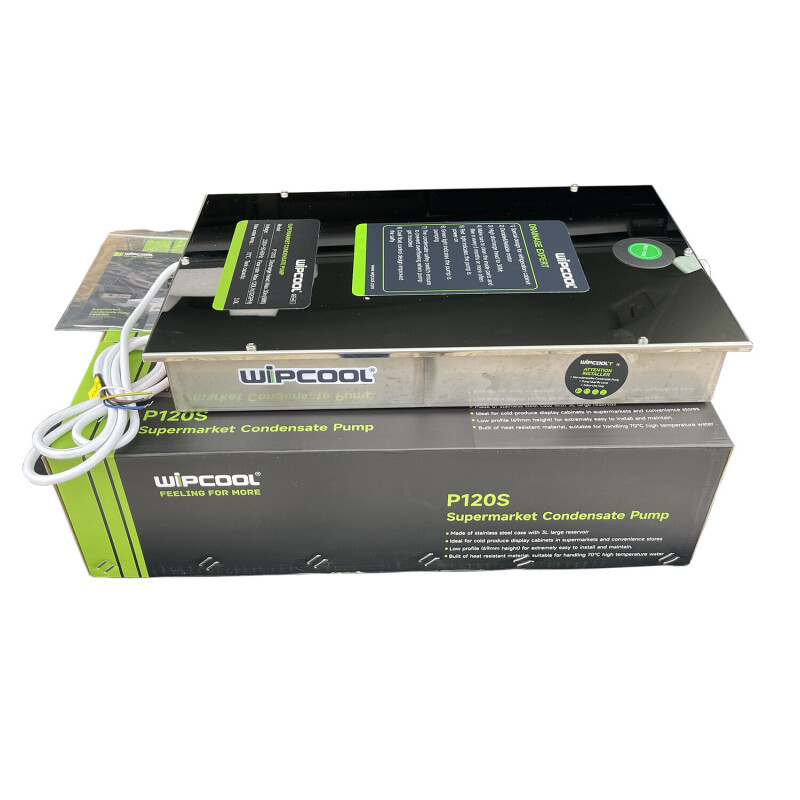
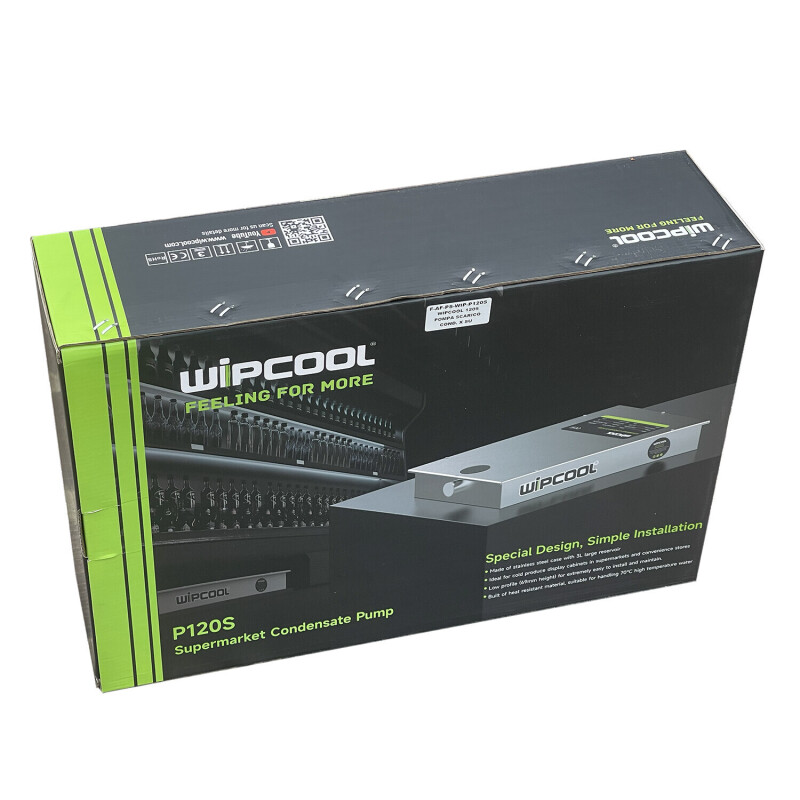
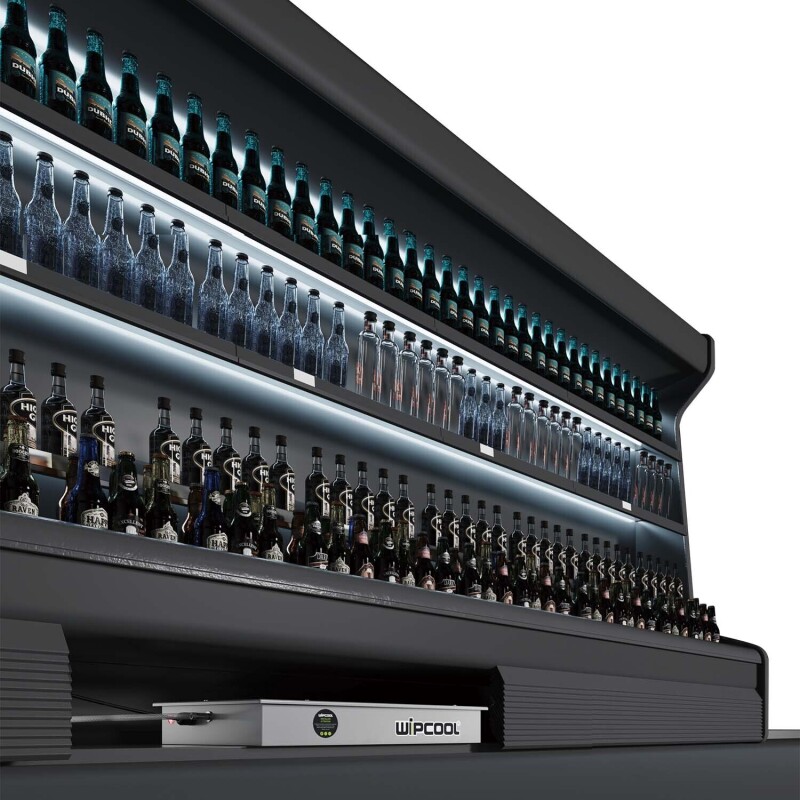
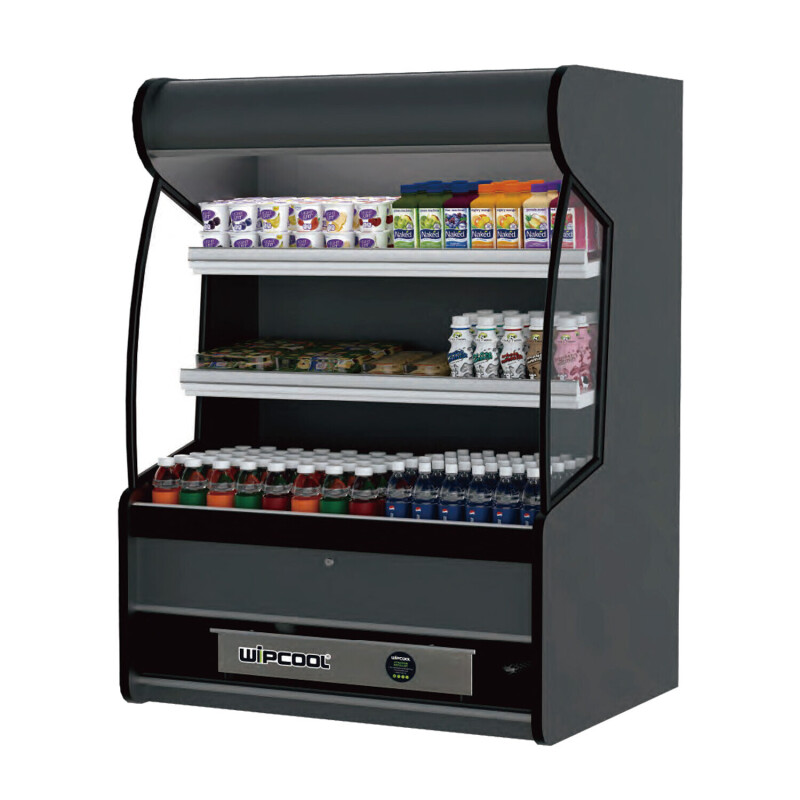
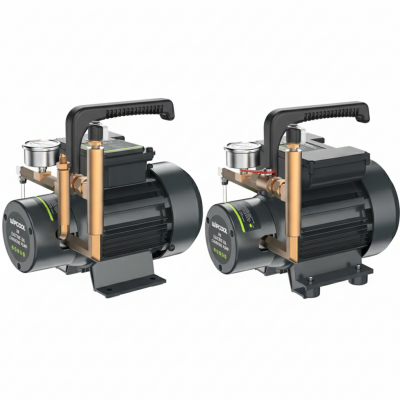
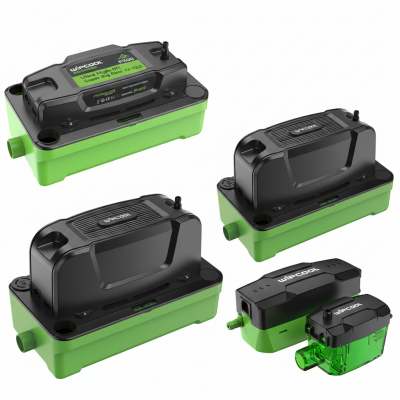
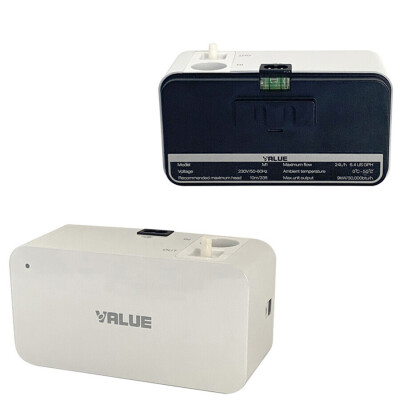
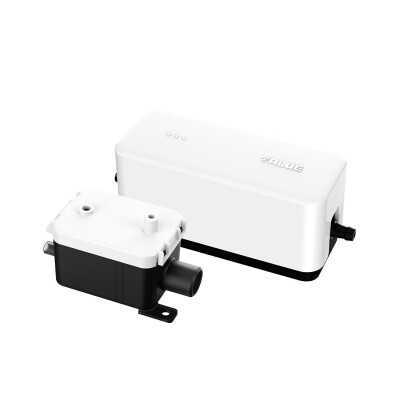
Condensate drain pump designed for commercial refrigeration systems, specifically for supermarket and convenience store refrigerated display cases. It features a 120 L/h flow rate, a 3-liter tank, and a compact design that allows installation even in tight spaces.
Description
The P120S condensate drain pump is designed to efficiently manage condensate and defrost water produced by supermarket refrigerated display cases, large-scale retail refrigeration units, and convenience store fridges. Its 3-liter stainless steel tank is easy to clean and resistant to temperatures up to +70 °C, making the pump suitable even for hot water from defrost cycles.
The compact, low-profile design allows installation under low-height refrigerated counters, while the sensor and safety relay system automatically shuts off the refrigeration unit when the tank reaches maximum level and restores power once the level returns to normal.
This pump combines reliability, easy installation, and low maintenance, making it ideal for commercial applications where large volumes of condensate must be handled continuously and safely.
Technical features
| Feature | Value / Specification |
|---|---|
| Power supply | 220 V – 50 Hz |
| Maximum flow rate | 120 liters/hour |
| Tank capacity | 3 liters |
| Maximum head (discharge height) | 30 m |
| Suitable for systems | Up to 300,000 BTU/h (≈ 88 kW) |
| Noise level at 1 m | 40–62 dB(A) |
| Operating ambient temperature | Up to 75 °C |
| Power consumption | 30 W |
| Tank material | Heat-resistant stainless steel |
| Safety system | Relay shuts off unit when tank is full |
Applications
-
Ideal for Commercial Refrigeration: Specifically designed for supermarket display cases and refrigerated counters.
-
3-Liter Stainless Steel Tank: Resistant to hot water up to 70 °C.
-
Compact, Low-Profile Design: Allows installation under tight spaces.
-
Easy Installation and Maintenance: Dual inlet options (top or side) for flexible setup.
-
Automatic Safety System: Water level detection with automatic shutdown of the refrigeration unit.
Available documents


Request information for:
P120S Condensate Drain Pump for Supermarkets