





VALUE S Mini-Slim Series Condensate Drain Pumps

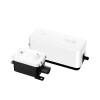
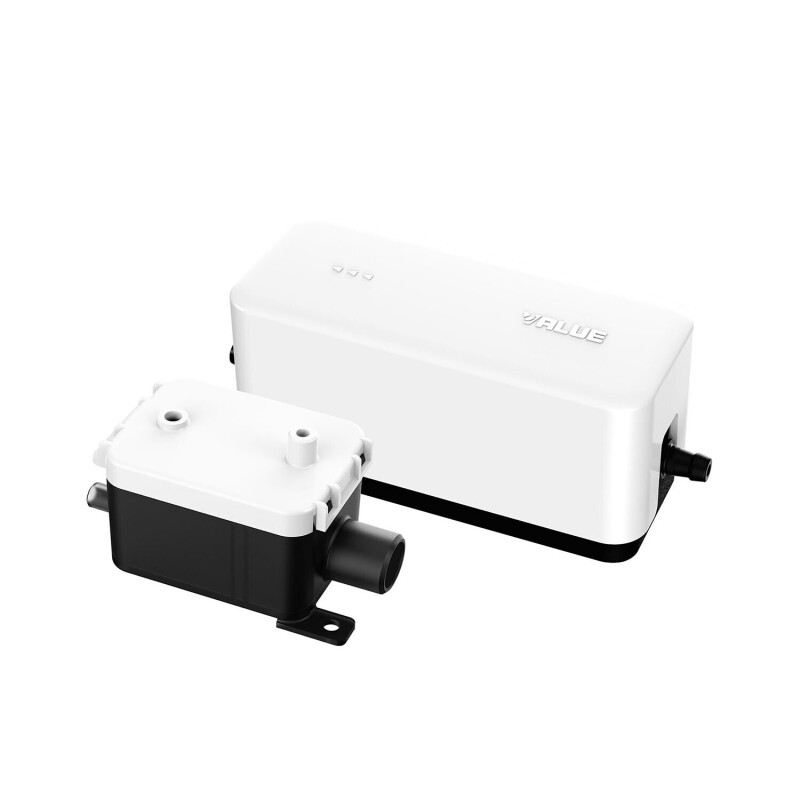
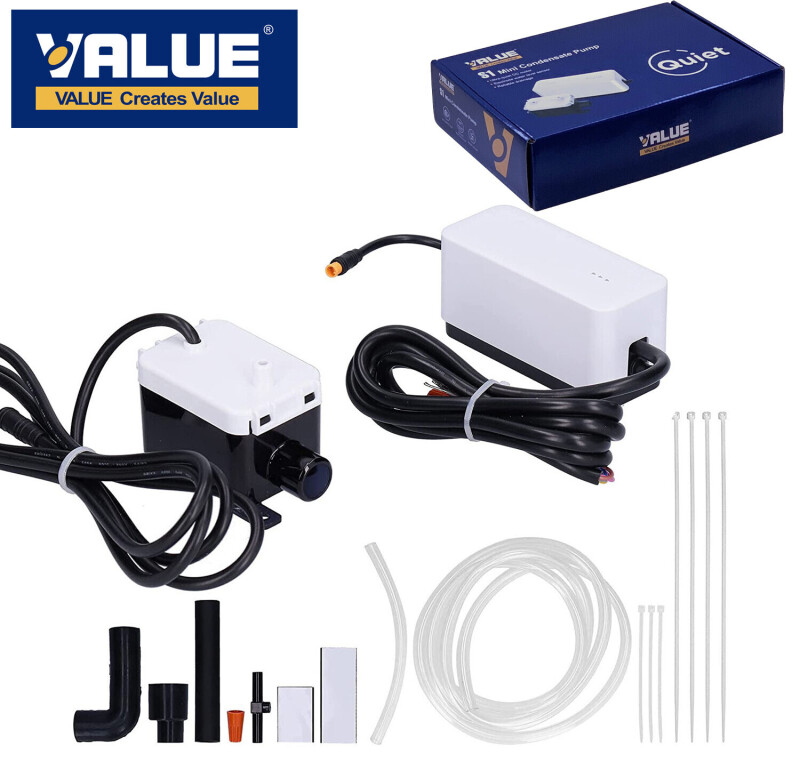
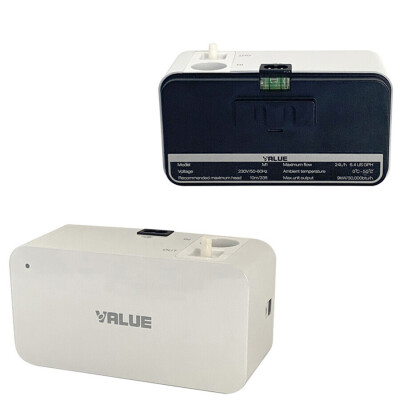
Compact, quiet, and durable condensate drain pumps designed for automatic removal of condensate water from split-type and similar air conditioning systems. The VALUE S series combines a mini-slim design with a brushless motor, electrode-level sensor, and automatic shut-off function to protect the A/C unit.
Description
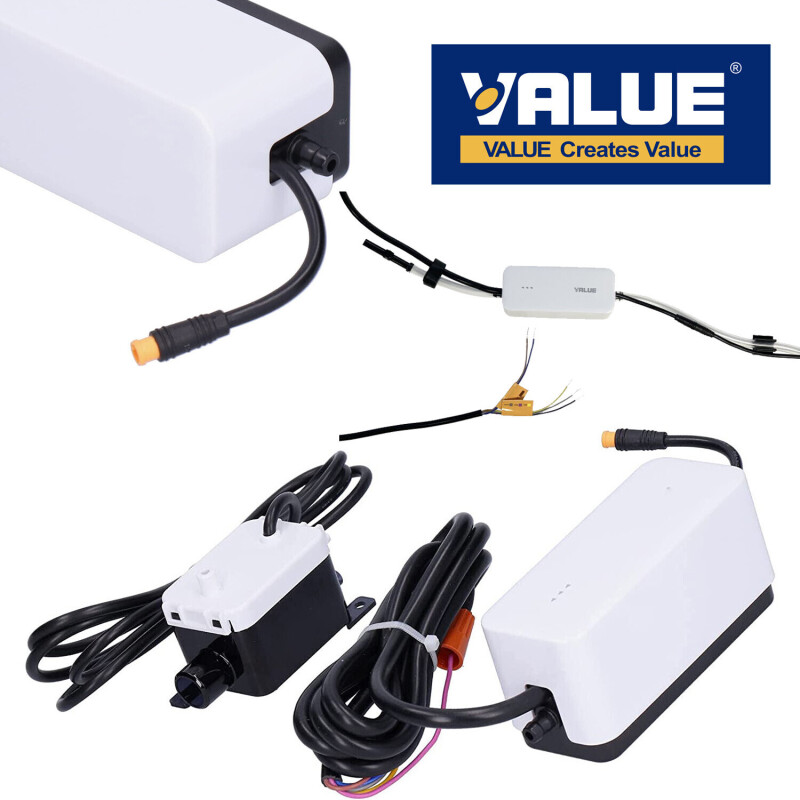
The VALUE S1 and VALUE S2 condensate drain pumps are ideal solutions for managing condensate water produced by residential and light commercial air conditioning units (split, ducted, and cassette systems). Both models feature a DC brushless motor, ensuring reliable operation with low noise and minimal vibration, delivering long-lasting performance.
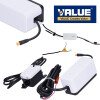
An electrode-level sensor continuously monitors the condensate level in the tank: when it reaches the maximum point, the built-in relay automatically shuts off the air conditioning unit to prevent overflow, and restores power as soon as the level drops below the safety threshold.
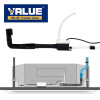
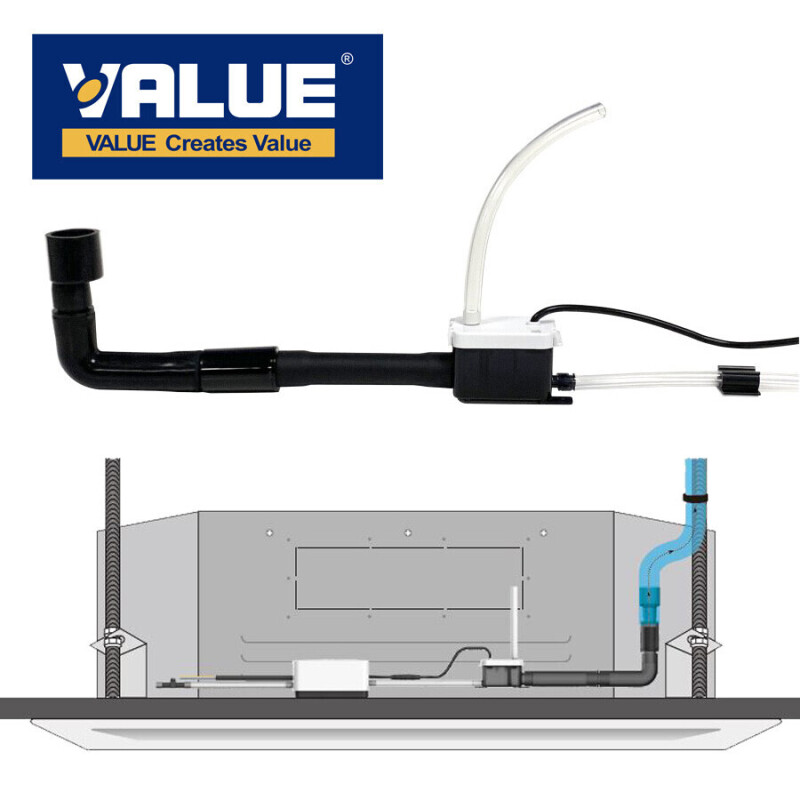
The mini-slim, compact design allows installation in tight spaces, behind the indoor unit, or within drainage channels, while maintaining easy access for maintenance and connections.
Technical features
| Parameter | Specification |
|---|---|
| Power supply | 220 V ~ 50 Hz |
| Motor | DC brushless, quiet |
| Level sensor | Electrode with safety switch |
| Tank capacity | 50 ml |
| Outlet tube internal diameter | 6 mm |
| Maximum head (discharge height) | 10 m |
| Operating ambient temperature | 0–50 °C |
| Installation | Behind unit, A/C rear, or drainage channel |
VALUE S1 – Maximum Flow 24 L/h
-
Maximum flow rate: 24 liters/hour
-
Tank capacity: 50 ml
-
Maximum head: 10 m
-
Suitable for: split units up to 30,000 BTU/h (≈ 8.8 kW)
-
Noise level: approx. 19 dB(A) at 1 m
-
Key features: compact, versatile, electrode-level sensor, low noise, minimal maintenance
-
Ideal for residential and domestic installations with condensate from medium-power split systems
VALUE S2 – Maximum Flow 40 L/h
-
Maximum flow rate: 40 liters/hour
-
Tank capacity: 50 ml
-
Maximum head: 10 m
-
Suitable for: split units up to 45,000 BTU/h (≈ 13 kW)
-
Noise level: approx. 21 dB(A) at 1 m
-
Key features: higher flow rate than S1 for slightly larger systems, maintaining quiet operation and easy installation
-
Perfect for split units and systems with higher condensate production or larger capacity than the S1
Applications
-
Compact Mini-Slim Design: Ideal for installation in tight spaces.
-
Quiet Operation: Perfect for environments where low noise is important.
-
Automatic 24/7 Function: Level sensor shuts off the A/C unit if the tank is full.
-
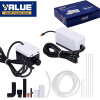
Easy Installation and Minimal Maintenance: Plug-and-play structure ensures hassle-free setup and upkeep.


Request information for:
VALUE S Mini-Slim Series Condensate Drain Pumps