



Split heat pumps with R290: safety and expertise for A3 refrigerants
The widespread use of R290 in split systems requires new skills in installation, maintenance, risk assessment and safe management of A3 refrigerants.
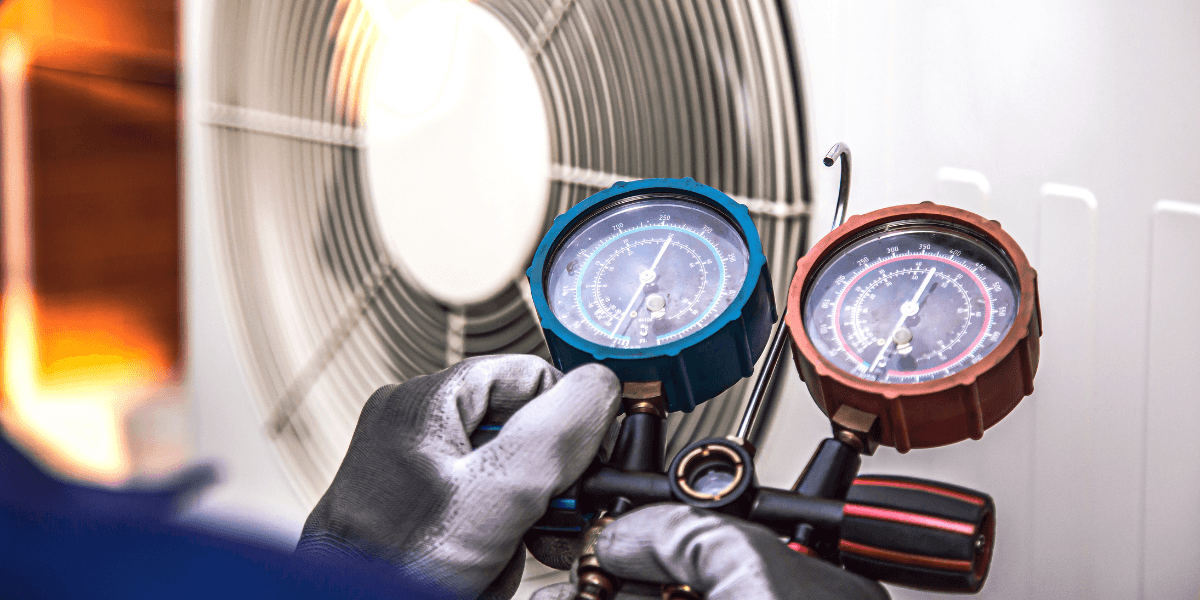
The spread of low-GWP refrigerants is bringing a growing number of heat pumps using hydrocarbons such as R290 (propane) to the European market. The environmental benefit is clear, but the refrigerant's high flammability requires specific procedures, expertise, and operating methods throughout the equipment's life cycle.
This issue becomes particularly relevant in split systems , where indoor and outdoor units are connected via refrigerant piping installed during installation. Unlike hermetically sealed factory-assembled equipment, some operations may directly involve the refrigerant circuit at the installation site.
For installers and refrigeration technicians, the transition to A3 doesn't just mean using a different refrigerant, but adopting an approach in which risk assessment, site selection, equipment, and training become integral parts of the intervention.
R290 and Class A3: What it Means for the Technician
According to the ISO 817 classification, R290 belongs to safety class A3 , characterized by low toxicity and high flammability. In the European CLP classification, propane falls into the 1A flammable gas category.
This does not make the refrigerant unsuitable for use in heat pumps, but it does require careful consideration of what could happen in the event of a leak.
Attention must focus above all on three elements:
- possible formation of a flammable concentration;
- presence of ignition sources ;
- ability of the environment to rapidly disperse the refrigerant.
For this reason, safety depends on more than just the machine itself. The unit's location, ventilation, connections, intervention methods, and environmental characteristics must all be considered together.
In split systems, the choice of site becomes crucial
Proper installation starts before opening the packages.
For outdoor units, it's important to avoid conditions where a leak could cause refrigerant buildup , especially in areas with poor ventilation. Propane is heavier than air and can therefore concentrate in lower areas if proper dispersion isn't possible.
Even for internal units, the distances and conditions specified by the manufacturer must be respected, avoiding obstacles to air circulation and possible permanent sources of ignition.
In air-to-water split systems, this issue takes on specific characteristics because, in the event of a leak in the internal exchanger, it is also necessary to prevent the refrigerant from being transported through the hydronic circuit to other parts of the building. The measures prescribed by the manufacturer therefore become essential.
The general principle is simple: the installation location must be considered part of the security system .
Ignition sources: there are not only open flames
When working with A3 refrigerant, control of ignition sources cannot be limited to the presence of a flame.
Electric sparks, tools, hot surfaces, unsuitable equipment, electrostatic discharges and brazing operations can also constitute potential sources.
During installation, commissioning and maintenance it is therefore necessary to correctly prepare the work area.
Measures to be evaluated include:
- elimination of possible ignition sources;
- area delimitation;
- adequate ventilation;
- use of appropriate PPE;
- use of tools suitable for the intervention;
- availability of adequate gas detectors;
- Check the connections and the tightness of the circuit.
Any accessories added during installation must also be considered from a safety perspective: an electrical component placed near a potential release zone cannot be evaluated independently of the refrigerant used.
Commissioning and maintenance require specific procedures
Commissioning plays a particularly important role in split systems because some of the refrigerant connections are made directly on site.
Before starting the system, it is necessary to check that the connections have been made correctly and that the circuit meets the required sealing and pressure resistance requirements.
Even during subsequent interventions, the presence of an A3 modifies some procedures.
When it is necessary to open the refrigerant circuit, the area must be adequately ventilated and free from potential ignition sources. Specific hydrocarbon detectors, personal protective equipment, and equipment compatible with the type of intervention may be required.
After maintenance, it is also important to check for the absence of refrigerant concentrations before restoring normal operation.
Service therefore becomes a phase in which technical expertise and operational procedure must proceed together .
Training and certification become even more important
The growth of alternative refrigerants also expands the skill sets required of professionals.
Activities performed without opening the circuit must be performed by personnel with appropriate knowledge and equipment. However, when the intervention requires opening the circuit, for example during installation, charging, recovery, maintenance, or component replacement, the training and certification requirements set forth in the current regulatory framework become crucial.
The technical reference also includes standards such as EN IEC 60335-2-40, EN 378, ISO 5149 and ISO 817 , while the specific instructions provided by the manufacturer remain essential for the individual equipment.
For the refrigeration engineer this means acquiring knowledge that goes beyond the traditional refrigeration circuit:
- risk assessment;
- management of potentially flammable atmospheres;
- use of appropriate detectors and tools;
- recovery procedures;
- electrical safety;
- transport and storage management.
Transportation and storage are part of risk management
The safety of the R290 does not begin at installation and does not end when the machine is turned off.
Transportation, handling, and storage also require care. An impact to the equipment can compromise the circuit and cause a leak, while a closed environment can encourage refrigerant buildup.
Aspects to consider include ventilation of vehicles and rooms, elimination of ignition sources, control of any damage and correct management of equipment before transport or disposal.
The risk assessment must therefore accompany the equipment from the initial logistics up to its decommissioning .
A3 refrigerants: the transition depends on operational safety
The increasing use of propane and other climate-friendly refrigerants represents one of the most significant changes for the HVAC-R industry.
In split systems, this evolution highlights one principle: simply designing a safe machine in the factory isn't enough. Installation, commissioning, maintenance, transportation, and end-of-life must also be managed according to procedures consistent with the refrigerant's characteristics .
For the refrigeration industry, the spread of A3s will therefore be closely linked to the ability to increase skills and training in the field. Safety becomes a technical element of the transition, on a par with efficiency and GWP reduction.
Related Focus

FAQ – Domande frequenti
The A3 classification indicates a refrigerant with low toxicity but high flammability. Use therefore requires special attention to ventilation, possible leaks, and the presence of ignition sources.
In split systems, the units are connected via the refrigerant circuit directly at the installation site. Some installation, commissioning, and service operations may therefore involve refrigerant and require specific safety procedures.
It is necessary to assess the workplace, ensure adequate ventilation, eliminate possible sources of ignition, use appropriate tools and PPE, and check for the possible presence of refrigerant with suitable devices.
