




Refrigeration compressors: EN 12693:2026 safety standard updated
EN 12693:2026 updates the safety requirements for refrigeration compressors, focusing on vibration, thermal risks, and new refrigerants.
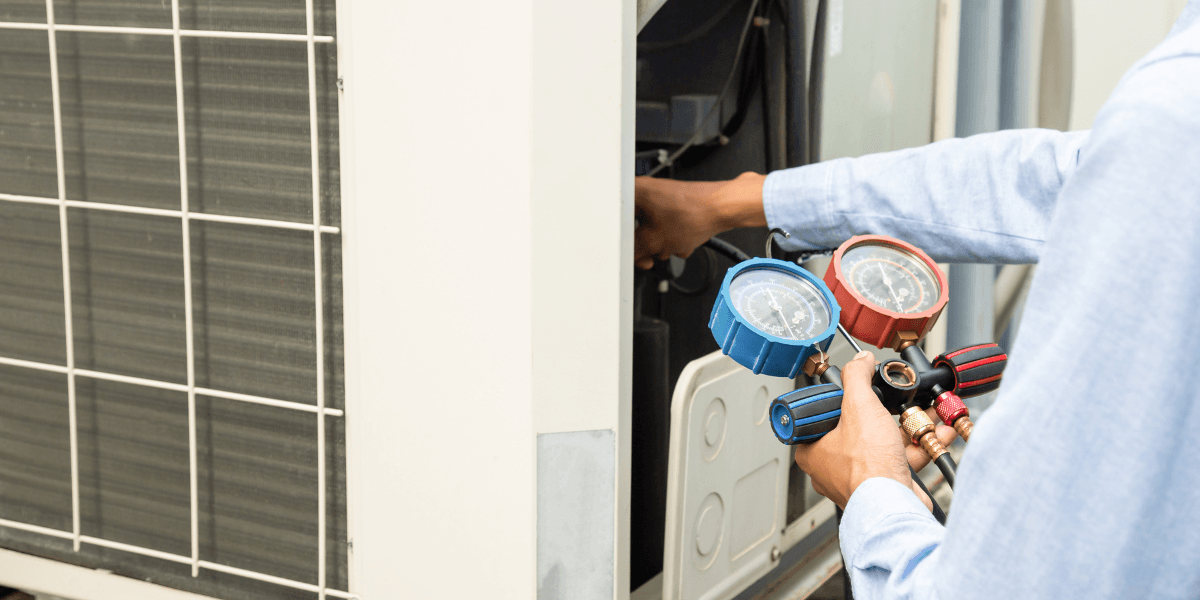
The safety of refrigeration compressors enters a new phase with the harmonisation of EN 12693:2026 , the standard dedicated to the safety and environmental requirements of positive displacement compressors used in refrigeration systems and heat pumps .
The new version replaces the 2008 edition and becomes an updated technical reference for the sector, at a time when refrigeration is rapidly evolving towards low GWP, A2L and A3 refrigerants and towards increasingly stringent safety requirements.
The update covers several technical aspects , including vibrations, thermal risks, electrical clearances and test procedures , with the aim of adapting compressor design to the new operating conditions and technologies used today in refrigeration systems.
EN 12693:2026: What's New for Refrigeration Compressors?
EN 12693:2026 concerns positive-displacement compressors for refrigeration systems and heat pumps and updates the previous technical framework by introducing changes and additions to various safety aspects.
The main elements affected include:
- thermal risk assessment;
- vibration requirements;
- update of electrical distances;
- review of some test requirements and procedures;
- update of the structure of the standard and its annexes.
The goal is to provide manufacturers and designers with guidance that is more consistent with the technological evolution of refrigeration equipment and the use of refrigerants with different properties than traditional HFCs. The update is therefore particularly important not only for compressor manufacturers, but also for those integrating these components into condensing units, refrigeration systems, chillers, and heat pumps.
A2L and A3 refrigerants: why vibrations and temperatures become central
One of the most relevant aspects concerns the relationship between compressor safety and the growing diffusion of flammable refrigerants , such as those belonging to classes A2L and A3.
Vibrations, for example, aren't just a noise or component lifecycle issue. If not properly controlled, they can spread to pipes, joints, brazed connections, and system supports.
In the presence of a flammable refrigerant, a potential leak becomes even more significant in the overall risk assessment. The same applies to surface temperatures and equipment behavior, even under reasonably foreseeable abnormal operating conditions.
The issue is particularly important with refrigerants such as R290 (propane), belonging to class A3, but more generally concerns the entire transition towards fluids with reduced GWP.
The design must therefore consider the compressor as part of a larger system, in which the following must also be evaluated:
- pipes;
- ventilation;
- electrical components;
- control systems;
- hot surfaces;
- possible loss scenarios.
Reducing the climate impact of refrigerants must therefore proceed alongside the evolution of safety, design and risk management strategies.
The compressor's compliance does not make the entire system compliant
A key point concerns the scope of EN 12693:2026.
The compliance of a single compressor does not automatically mean that the entire refrigeration equipment is compliant . The component may be installed within systems with very different characteristics in terms of configuration, refrigerant quantity, pressure, ventilation, and operating conditions. It is therefore the responsibility of the equipment manufacturer or integrator to ensure that the compressor is correctly selected and that its installation is considered in the overall risk analysis.
Furthermore, the standard does not replace any other requirements that may apply to the system as a whole. For designers and manufacturers, this means that the update should not be interpreted simply as a modification to the technical documentation, but as an opportunity to reexamine the interface between the compressor and the refrigeration system.
Particular attention should therefore be paid to :
- compatibility with the refrigerant used;
- pressure and temperature conditions;
- vibrations transmitted to the pipes;
- electrical components;
- ventilation;
- installation mode;
- maintenance and management of possible losses.
The European framework on machinery will also change from 2027
The update also comes as another important milestone for the industrial sector approaches. From January 20, 2027, Regulation (EU) 2023/1230 on machinery will replace the previous Machinery Directive 2006/42/EC, introducing a new European regulatory framework.
Manufacturers and operators will therefore have to simultaneously address the evolution of technical standards and that of the legislation applicable to machinery.
For the refrigeration sector, this is a particularly significant transition because it coincides with the progressive introduction of low-GWP refrigerants, new system architectures, and components designed for different operating conditions than in the past.
Compressor safety thus becomes part of a broader framework in which regulations, component design, and assessment of the entire system must proceed together.

Related Focus

FAQ – Domande frequenti
EN 12693:2026 is the European standard covering the safety and environmental requirements for positive-displacement compressors used in refrigeration systems and heat pumps. The new edition updates and replaces the previous one from 2008.
The standard reinforces aspects such as vibration and thermal risks, which are particularly important when using A2L and A3 refrigerants. Leaks caused by stress on pipes or connections become even more significant when flammable fluids are used.
No. Compressor compliance concerns the component and the requirements covered by the standard. The manufacturer or integrator must still perform a safety assessment of the entire equipment, considering piping, electrical components, ventilation, controls, and possible leaks.
