



SH Pod Advanced VRF: when soundproofing becomes part of the system design
Sound-absorbing system for VRF and VRV units that improves acoustic comfort without compromising performance
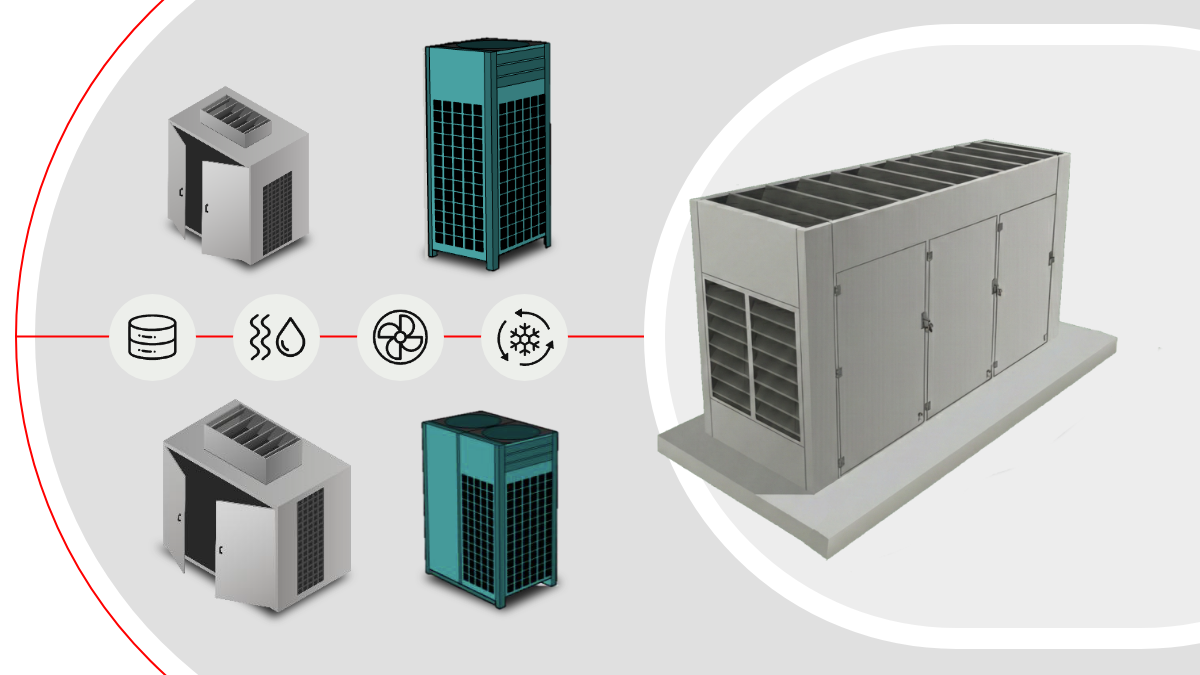
In the daily work of HVAC/R designers and installers, there are aspects that emerge only after installation. The noise level of outdoor units is one of these: often underestimated in the design phase, it later becomes a critical issue, especially in urban, residential, or sensitive contexts such as offices and healthcare facilities.
Subsequent intervention is never easy. Solutions are needed that don't compromise the system's functionality, that don't penalize airflow, and that are truly acoustically effective. It's precisely this balance that defines the SH Pod Advanced VRF, the soundproofed enclosure developed by STS Isolamenti for VRF, VRV, and direct expansion systems.
Complete soundproofing of the unit and real noise reduction
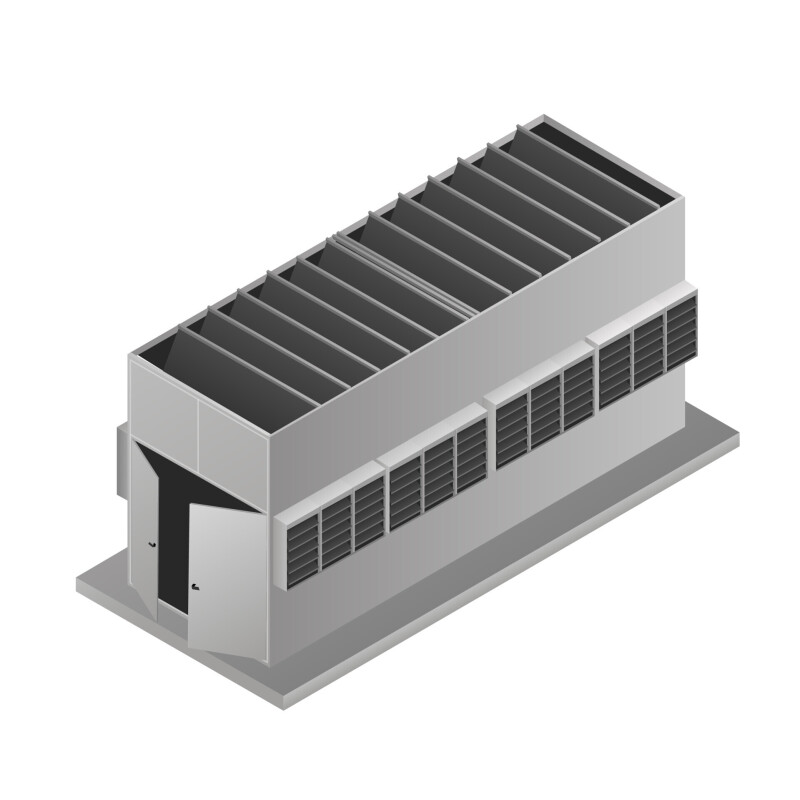
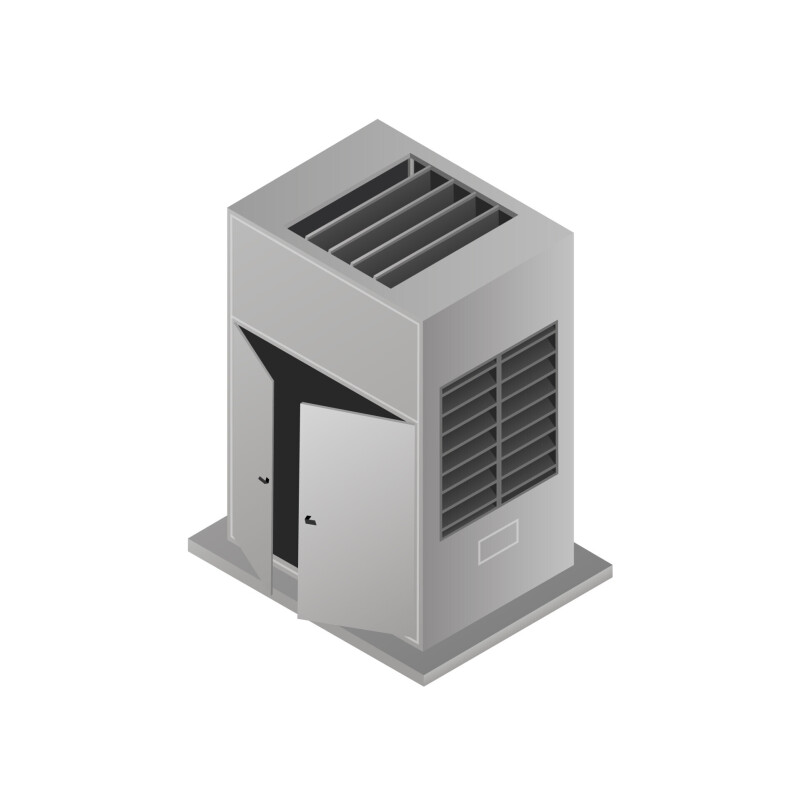
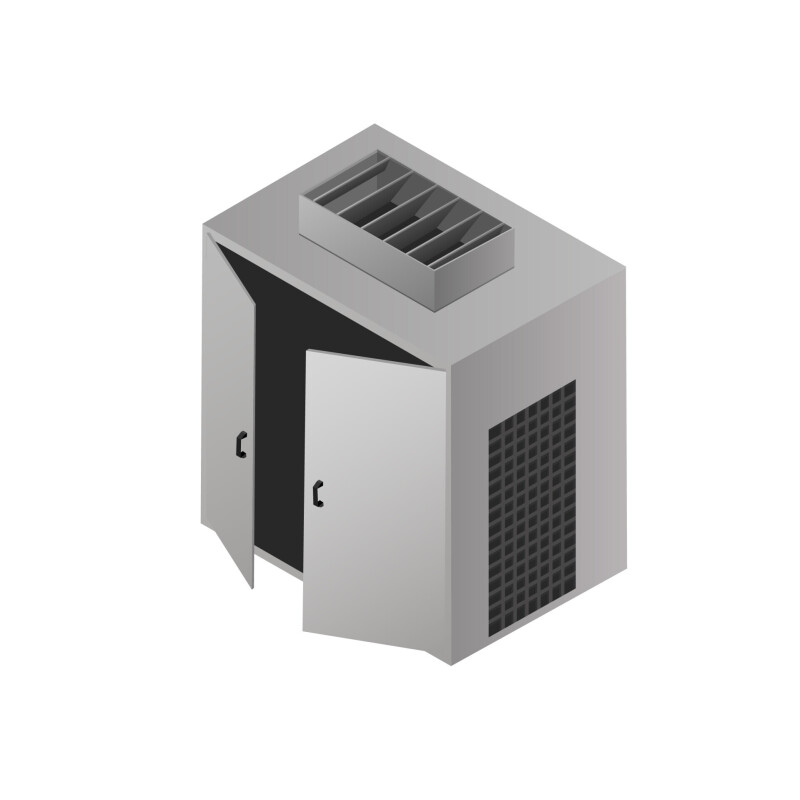
More than just a simple casing, the SH Pod Advanced VRF is designed as a complete enclosure that surrounds the condensing unit on all sides. This allows for effective intervention even on existing systems, without modifying the unit or its configuration.
Noise reduction is uniform and continuous, avoiding localized sound dispersion typical of partial shielding. Tests indicate a reduction of up to 16 dB(A), a value that, in many application contexts, can make the difference between a critical system and one that complies with regulatory limits.
Optimized airflow and reduced pressure drops: the technical crux of soundproofing solutions
One of the most delicate aspects of soundproofing outdoor units is air circulation. Reducing noise often means introducing obstacles to airflow, which directly impacts the unit's performance.
In the case of the SH Pod Advanced VRF , this limitation is overcome thanks to the Baffleless™ soundproof grille, designed to guarantee up to 100% free air intake surface, equivalent to that of the exchanger. The air flow is therefore silent but unrestricted, eliminating the bypass effect and keeping the flows separate.
This approach is also reflected in the fluid dynamic data: the overall pressure drop remains low, around 16.17 Pa, while the sound absorption coefficient reaches high values (αw up to 0.95). The result is a system that works in balance between silence and performance, without introducing compromises.
Aesthetics, protection and architectural integration of the system
Today, outdoor units are no longer secondary elements, especially in sophisticated architectural settings. The visual impact of the systems has become an integral part of the project.
The SH Pod Advanced VRF also meets this need, offering the option of completely customizing the shell's appearance with RAL color painting. The galvanized steel structure ensures durability, while the casing protects the unit from atmospheric agents, such as hail.
It is therefore a solution that not only improves acoustic comfort , but also contributes to the durability and visual integration of the system .
Cross-applications and attention to correct installation
The system's versatility allows it to be used in a variety of applications, from residential and office installations to industrial and healthcare facilities. It can be used on VRF, VRV, condensing units, and direct expansion systems, adapting to a wide range of design needs.
At the same time, like all acoustic solutions, it requires a conscious approach: the preliminary evaluation of the noise source, the correct positioning with respect to the surfaces and the management of the system passages are determining elements for obtaining the declared performance.
From problem solving to acoustic comfort design
Noise management can no longer be addressed as an afterthought. Regulatory requirements , user comfort , and architectural integration require increasingly advanced solutions.
SH Pod Advanced VRF fits into this scenario by proposing a change of perspective: not only intervening when the problem arises, but integrating a solution capable of managing acoustic comfort as part of the system design from the outset.
STS Isolamenti Srl

FAQ
SH-POD Advanced VRF è progettato per installazioni in contesti sensibili al rumore come hotel, strutture ricettive, edifici residenziali di fascia alta e contesti urbani ad alta densità. È particolarmente indicato quando le unità esterne VRF devono essere installate in copertura, cortili interni o in prossimità di ambienti abitati, dove i limiti acustici sono stringenti.
L’insonorizzazione diventa necessaria quando i livelli sonori delle unità esterne rischiano di superare i limiti normativi o compromettere il comfort acustico. In fase progettuale, ciò avviene tipicamente in presenza di vincoli urbanistici, capitolati prestazionali elevati (es. hotellerie) o in interventi di riqualificazione dove gli spazi tecnici sono limitati e vicini a zone occupate.
A differenza delle barriere acustiche applicate a posteriori, SH-POD è una soluzione ingegnerizzata che integra isolamento acustico, ventilazione e accessibilità manutentiva. Questo consente di evitare problemi di surriscaldamento, garantire il corretto funzionamento delle unità VRF e mantenere prestazioni energetiche ottimali, riducendo al contempo il rischio di errori progettuali o installativi.
La differenza principale risiede nell’approccio “impiantistico”: SH-POD non è un semplice rivestimento, ma un sistema progettato per lavorare in sinergia con le unità VRF. Include gestione dei flussi d’aria, attenuazione acustica certificata e configurazioni modulari, permettendo una personalizzazione in funzione della potenza installata e delle condizioni operative.
È fondamentale valutare correttamente il dimensionamento del POD in funzione delle unità VRF, garantire adeguati ricambi d’aria e prevedere accessi per la manutenzione. Inoltre, l’integrazione deve tenere conto della distribuzione degli spazi, dei vincoli architettonici e delle distanze minime per evitare ricircoli d’aria che possano compromettere le prestazioni.
SH-POD consente di risolvere criticità legate al rispetto dei limiti acustici, alla gestione degli spazi tecnici e alla compatibilità tra esigenze architettoniche e impiantistiche. In particolare, permette di installare sistemi VRF anche in contesti complessi, evitando soluzioni improvvisate e garantendo continuità operativa, efficienza e comfort acustico nel lungo periodo.