




Refrigerant Management: Recovery, Reuse, and Regeneration
Refrigerant life cycle management focuses on leak prevention, recovery, recycling, and regeneration to reduce emissions and waste.
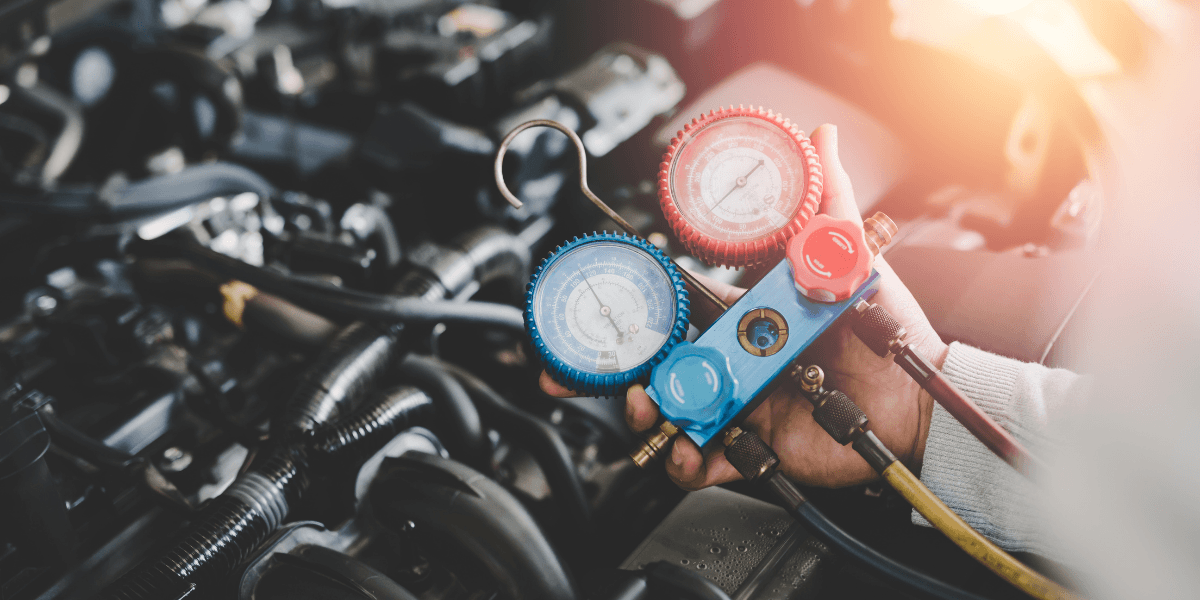
The refrigeration transition to fluids with a lower climate impact isn't just about the choice of refrigerant used in new systems. An increasingly important part of the industry's environmental strategy involves how refrigerant is managed throughout the equipment's entire life cycle , from design to maintenance and decommissioning.
This is the principle of Life-Cycle Refrigerant Management (LRM) , an approach promoted under the Montreal Protocol that aims to limit consumption and emissions through leak prevention, recovery, recycling, regeneration, and proper final treatment of gases. UNEP OzonAction recently dedicated three specific briefings to the technical, regulatory, and financial aspects of this strategy.
From leak control to full lifecycle management
Traditionally, a significant portion of environmental attention in the refrigeration sector has focused on the characteristics of the refrigerant and its GWP. However, life cycle management broadens the scope: even a fluid with a lower climate impact must be contained, recovered, and managed properly throughout all phases of operation.
The LRM approach therefore includes refrigerant production, storage and transportation , equipment design and installation , operation , maintenance , recovery and end-of-life management .
From a technical point of view, some of the most important actions are:
- loss prevention and detection;
- timely repair of circuits;
- refrigerant recovery during maintenance and decommissioning;
- recycling when technically possible;
- regeneration to bring the fluid back to quality specifications suitable for reuse;
- destruction or environmentally sound disposal when recovery is no longer practicable.
Reducing direct emissions is particularly important because the climate benefits achieved through more sustainable refrigerants can be compromised by leaks during operation or inadequate end-of-life management of the equipment.
Recovered refrigerant becomes a resource
Recovery is also taking on increasing economic and strategic value . With the progressive reduction in the availability of some virgin HFCs, refrigerants already present in systems can constitute a real reserve of raw materials for the service sector.
The principle is that of greater circularity: instead of using the refrigerant until the equipment is decommissioned and subsequently considering it waste, the fluid is recovered and directed towards the most appropriate path.
Depending on your condition it can be:
- reused, when permitted and technically suitable;
- recycled, through operations that improve its characteristics for a new use;
- regenerated, through more in-depth processes that allow us to achieve specific quality specifications;
- or sent for destruction if it cannot be safely recovered.
This model can contribute not only to reducing emissions, but also to reducing the demand for virgin refrigerant and increasing the availability of fluids for the maintenance of existing systems.
Recovery processes, however, require an organized supply chain. This requires adequate equipment, systems for collecting, transporting, and analyzing the refrigerant, as well as infrastructure capable of managing the gases after recovery . Reverse supply chains, the logistics that transport refrigerant from the user to treatment and regeneration centers, therefore become an essential component of the system.
Regulations, skills and funding must proceed together
Life cycle management cannot be left solely to the best practices of individual technicians. Creating an effective supply chain also requires rules, controls, expertise, and financial incentives.
Among the tools identified in international briefings are bans on intentional refrigerant releases, recovery obligations, leak checks, certification requirements, quality standards for recycled fluids, and traceability and reporting systems.
Operator training remains equally important. Improper recovery can cause leaks, fluid contamination, or mixing of different refrigerants, making subsequent reuse more difficult.
Finally, alongside regulatory and technical aspects, the issue of costs emerges. Infrastructure for collection and regeneration, equipment, laboratory analysis, transportation, and monitoring systems require investment. Possible financing instruments being analyzed internationally include extended producer responsibility, dedicated funds, and mechanisms linked to carbon markets.
For refrigeration, the result is a significant shift in perspective: sustainability doesn't end with choosing a low-GWP refrigerant. It's essential to consider the fluid's entire life cycle, avoiding leaks, recovering it when possible, and keeping it within the supply chain for as long as possible.
In a market that will have to simultaneously manage new refrigerants and millions of existing appliances in the coming years, recovery and regeneration can become one of the key tools for making the transition more concrete and circular.
Related Focus


FAQ – Domande frequenti
Life-Cycle Refrigerant Management is an approach that considers the refrigerant from its introduction into the market until the end of the equipment's life, including leak prevention, maintenance, recovery, recycling, regeneration, and disposal.
Recovery prevents the release of gas into the atmosphere and allows, where possible, the refrigerant to be reused, recycled or regenerated, reducing the need to use new virgin fluid.
Recycling involves treating the recovered refrigerant to make it usable again under specific conditions. Regeneration, on the other hand, involves a more thorough process aimed at restoring the fluid to specific quality standards, facilitating its reintroduction into the supply chain.
