


Cybersecurity in refrigeration: protecting increasingly connected systems
Connected refrigeration increases efficiency and remote control, but makes cybersecurity, updates, and access protection increasingly important.
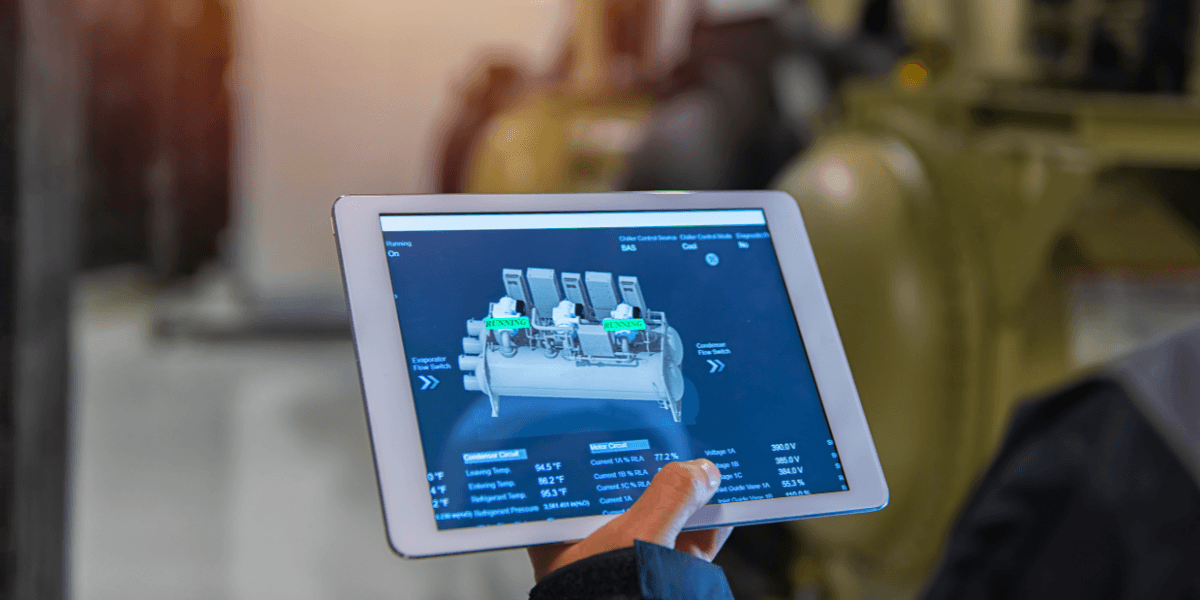
Digitalization is also transforming the commercial and industrial refrigeration sector. Supervisors, controllers, remote monitoring systems, and cloud platforms now allow you to monitor temperatures, consumption, alarms, and operating parameters even remotely, improving system management and maintenance.
However, increased connectivity also introduces new vulnerabilities. Cyber attacks recorded in October 2026 on several refrigeration systems demonstrated how unauthorized access to monitoring systems can directly impact the physical operation of the systems, potentially modifying operating parameters and defrost cycles.
For refrigeration engineers, maintenance technicians, system integrators and plant managers the consequence is clear: IT security is an integral part of the technical management of refrigeration , along with service continuity, electrical safety and correct regulation of the refrigeration circuit.
Remote access and legacy systems become critical points
One of the main advantages of connected refrigeration is the ability to intervene remotely. However, if improperly configured, the same connection can become an entry point to the system.
Particularly critical are systems directly exposed to the Internet, shared or less robust credentials, and devices using outdated software or firmware . The problem especially affects installations that have been operational for many years: a controller can continue to perform its refrigeration function perfectly even when the software that manages it no longer receives security updates.
For this reason, maintenance must progressively also include aspects such as:
- periodic firmware and software updates;
- deleting accounts that are no longer needed;
- use of individual credentials;
- remote access protection;
- periodic backup of configurations;
- verification of setpoints, alarms and parameters after any anomalies;
- Planning the replacement of devices that have reached the end of their lifespan.
A refrigerator supervisor must therefore be considered as a connected device and not just as a regulation component .
Segment the network to limit the effects of an attack
Protection doesn't just concern the individual controller. In more complex systems, refrigeration, building automation, energy systems, and the corporate IT network can communicate with each other.
An incorrectly segmented configuration therefore risks allowing a problem originating in one area of the network to propagate to other equipment.
Good cybersecurity practices for industrial systems include segmenting the network into separate zones , limiting communications to what is strictly necessary and keeping the most critical systems within protected areas.
For refrigeration systems, this may mean avoiding direct exposure of supervisors to the Internet, using secure remote connections, and carefully controlling which devices can communicate with the control system.
The goal is not to give up remote monitoring, but to make it compatible with the operational continuity of the plant and with the protection of the cold chain .
Cybersecurity also enters the European regulatory framework
The growing attention isn't just coming from recent events. European regulations are also gradually shifting cybersecurity to the forefront of the design and management of connected products.
The Cyber Resilience Act introduces horizontal security requirements for hardware and software directly or indirectly connected to networks or devices. Reporting requirements for actively exploited vulnerabilities and serious incidents have been in effect since September 11, 2026, while the regulation's main requirements will become applicable from December 11, 2027.
The NIS2 directive also strengthens aspects such as risk management, supply chain security, business continuity, vulnerability management and training for organizations falling within its scope.
The affected sectors also include food production, processing, and distribution, areas in which refrigeration often represents an essential infrastructure for ensuring process continuity.
A major shift is therefore taking place in the HVAC/R sector: digital security is becoming part of system security . Updates, access management, network segmentation, and vulnerability monitoring will increasingly become part of the routine maintenance of connected refrigeration systems.
Related Focus
FAQ – Domande frequenti
Modern systems increasingly use network-connected supervisors, controllers, and monitoring systems. If remote access, software, or configurations aren't adequately protected, they can become entry points for an attack.
Key measures include regular updates, removing direct Internet exposure, secure logins, individual passwords, backups, and network segmentation to limit the possibility of unauthorized access and the spread of potential attacks.
The European framework is becoming more structured. The Cyber Resilience Act introduces requirements for products with digital elements, while the NIS2 Directive establishes cyber risk management obligations for certain organizations and sectors. The specific applicability depends on the type of product, company, and activity involved.
