




Sustainable cooling: training and skills for a safer and more efficient supply chain
The growth of sustainable cooling requires technical training, technician certification, and up-to-date expertise in alternative refrigerants.
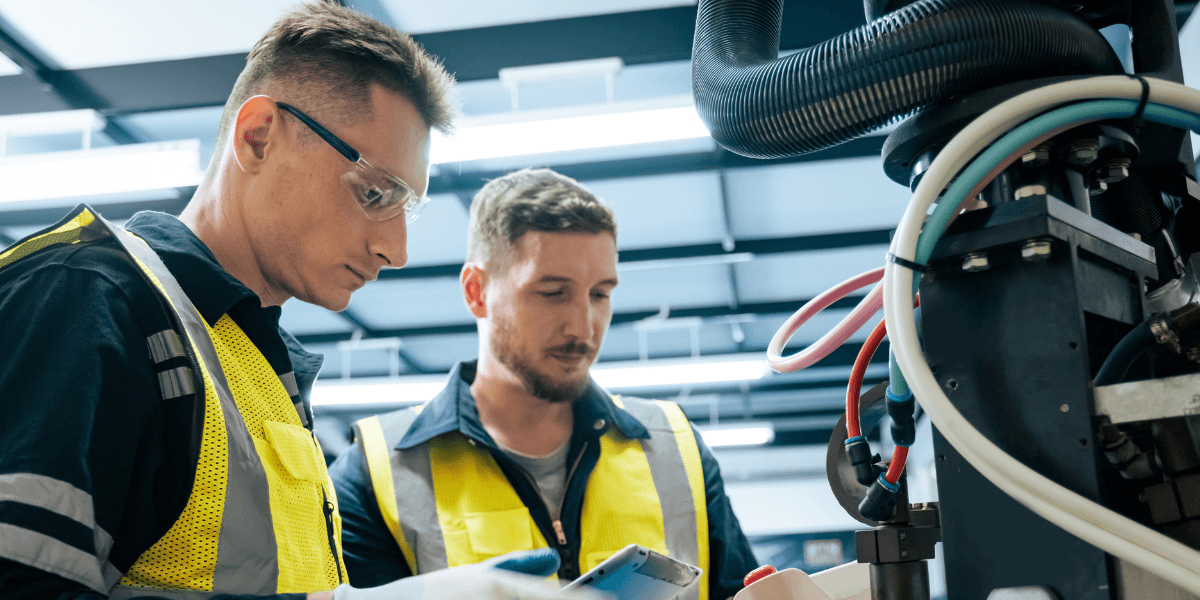
The growing demand for refrigeration and air conditioning is making sustainable cooling an increasingly strategic issue, especially in countries where urbanization, cold chain development, healthcare, food preservation, and climate comfort require more efficient and reliable technical infrastructure.
In this scenario, strengthening skills becomes essential to support the transition to technologies with a lower climate impact. The project " Rwanda – Strengthen Capacity for Sustainable Cooling and Refrigeration ," funded by the Climate and Clean Air Coalition / UNEP, fits precisely in this direction: supporting the growth of a safer, more efficient cooling sector, consistent with international HFC reduction targets.
Technical training and best practices for the HVAC/R sector
The project, which will run from September 2024 to August 2026, addresses one of the most sensitive aspects of the cold chain transition: the availability of trained technicians . The evolution of refrigerants, the need to reduce emissions, and the deployment of more efficient systems require updated operational skills throughout the supply chain.
The training activities focus on key topics for installers, maintenance technicians and operators in the HVAC/R sector:
- correct installation and maintenance of the systems ;
- reduction of emissions related to the life cycle of systems;
- operational safety during technical interventions;
- energy efficiency of equipment and systems;
- alternative refrigerant management .
Training is therefore not an afterthought, but a concrete lever for improving the quality of interventions, the reliability of systems, and the ability to correctly apply more sustainable technologies.
Technician certification and alignment with climate objectives
Alongside practical training, the project also includes discussions with institutions and key industry players to support the next steps toward establishing a technician certification system. This is a crucial step in defining common requirements, skills, and standards, in line with the objectives of the Kigali Amendment and the progressive reduction of HFCs.
For professional refrigeration , certification can become an important tool for ensuring greater quality and safety. In a market where alternative refrigerants and low-impact technologies are on the rise, operator training directly impacts performance, service continuity, and risk reduction.
The issue also concerns the ability of developing countries to build more autonomous and qualified local supply chains. Without widespread expertise, the availability of efficient technologies risks failing to translate into real benefits on the ground.
International cooperation for more resilient cooling
The project confirms the value of international cooperation in building more sustainable refrigeration systems . Strengthening technical skills means addressing a structural component of the transition: not only adopting new technologies, but creating the conditions for their proper installation, management, and maintenance over time.
For the HVAC/R industry, this approach highlights an increasingly clear direction: energy efficiency, safety, and reduced climate impact must go hand in hand. Training technicians, defining shared standards, and engaging institutions, industry, and technical bodies are essential to making sustainable cooling a reality.
In a global context where demand for refrigeration will continue to grow, strengthening skills is one of the most effective levers to support the transition. Only a trained, certified, and knowledgeable supply chain can guarantee more efficient, safer systems capable of meeting new environmental, economic, and social needs.

Related Focus
FAQ – Domande frequenti
Because the efficiency and safety of a refrigeration system largely depend on its design, installation, adjustment, and maintenance. Even with low-GWP refrigerants and advanced components, sizing errors, incorrect charges, leaks, poor maintenance, or unoptimized adjustments can increase consumption, indirect emissions, and operational risks. Technical training therefore helps transform the industry's transition into real, measurable performance.
Comprehensive expertise is required in refrigerant safety, F-Gas regulations, flammability, toxicity, high pressure, fluid recovery and management, as well as energy diagnostics and system monitoring capabilities. Technicians, installers, and maintenance personnel must be able to work on CO₂, hydrocarbon, ammonia, HFO, and hybrid systems, assessing ventilation, leak detection, component compatibility, emergency procedures, and system continuity.
A more prepared supply chain reduces breakdowns, refrigerant leaks, abnormal consumption, and system downtime, improving equipment reliability and longevity. In commercial and industrial settings, this means lower energy costs, greater safety for operators and users, improved regulatory compliance, and a greater ability to choose solutions consistent with actual loads, climate conditions, and environmental objectives. Technical expertise thus becomes a design and economic lever, not just a training requirement.
