



Reclaimed refrigerants: a strategic resource in the F-Gas transition
Regeneration allows the recovery and valorization of refrigerants already present in the systems, supporting maintenance and F-Gas transition.
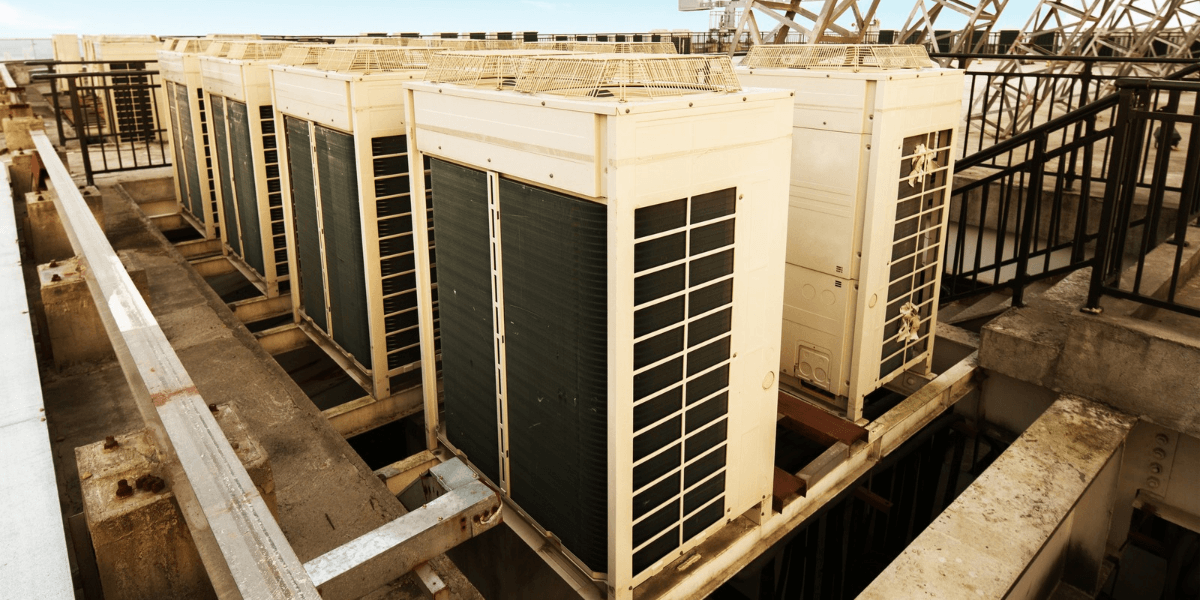
The progressive reduction of HFCs placed on the European market is increasing attention towards the recovery and valorization of refrigerants already present in the systems .
In this scenario, regenerated refrigerants can play an important role, especially in the maintenance of the installed fleet, allowing the recovery of gas from interventions or decommissioning and subjecting it to an industrial process that verifies its composition and quality before reuse.
The case of R134a , still present in numerous systems and applications, clearly illustrates the difference between simply recovering a refrigerant and inserting it into a true regeneration process. The gas extracted from a circuit may contain moisture, oil residues, particles, or other refrigerants introduced during previous maintenance operations.
Recovery, recycling and regeneration are not the same thing
One of the most important aspects concerns the distinction between the different operations that can be carried out on the refrigerant.
Recovery involves collecting and storing gas extracted from a plant during maintenance or decommissioning. Recycling , on the other hand, involves basic cleaning, such as filtration and drying.
Regeneration represents a further step: the recovered refrigerant is subjected to an industrial process to restore its performance to that of a virgin substance, with final quality verification at authorized facilities.
A simple recovery station can remove some of the contaminants, but it doesn't automatically guarantee that the fluid reaches a specific quality standard. Therefore, the indiscriminate reuse of recovered gas can also transfer impurities or unwanted substances into another circuit.
Quality and traceability become central elements
Regeneration is therefore not only about the possibility of reusing a refrigerant, but also the ability to know its origin, composition and quality .
A structured supply chain can include gas identification, material classification, collection organization, treatment, batch analysis, and traceability of the reclaimed refrigerant. Not all recovered gas is necessarily suitable for return to the market: non-reclaimable flows must follow different treatment paths.
For refrigeration engineers and maintenance technicians, this means that refrigerant management is increasingly becoming an integral part of the technical intervention.
It is therefore not enough to recover the fluid at the end of maintenance: it is necessary to know how it was managed, what treatment it underwent and whether it has suitable characteristics for subsequent reuse .
A resource for the existing plant fleet
Regeneration takes on particular importance in the transition phase envisaged by the new F-Gas framework.
Regulation (EU) 2024/573 establishes a progressive reduction in HFCs placed on the market and explicitly regulates the recovery, recycling, regeneration, and destruction of fluorinated gases. For certain applications, the regulation also maintains specific options for using reclaimed or recycled refrigerants for the maintenance of existing systems, even after certain restrictions enter into force.
This reinforces the role of regeneration as a transition management tool: the installed base cannot be replaced instantly and many systems will continue to require maintenance for several years.
The availability of regenerated refrigerant can therefore help reduce the need for new virgin fluid and enhance the value of the gas already present in the system , while maintaining the operational continuity of compatible systems.
Refrigeration is increasingly entering a circular logic
The principle underlying regeneration is to consider the refrigerant no longer as a material automatically destined for disposal at the end of an intervention, but as a potentially recoverable and valorisable resource .
This logic becomes particularly important with the progressive reduction in the quantities of HFCs available on the European market.
For the model to work, however, an organized supply chain is needed: proper recovery, gas separation, identification, transportation, industrial treatment, and documentation must be managed consistently.
For the HVAC/R sector, the transition towards lower GWP refrigerants therefore proceeds in parallel with another transformation: better managing the refrigerants already present in the systems , reducing dispersion, waste and the need for new products.
Regeneration does not replace the transition to new technologies and alternative fluids, but it can represent a complementary tool to accompany the transformation of the installed fleet in a more orderly manner.
Related Focus

FAQ – Domande frequenti
The recovered refrigerant is simply collected and stored after being removed from the system. The reclaimed refrigerant, on the other hand, is industrially processed and brought back to performance equivalent to that of a virgin refrigerant, with quality verification.
Not necessarily. The gas may contain moisture, oil residues, particulates, or other refrigerants. Simple filtration does not automatically guarantee proven quality for further use.
Because the progressive reduction in HFCs released onto the market makes it increasingly important to recover and reuse the refrigerants already present in systems, especially for maintenance of existing equipment.
