




R-410A still available, but the future of service lies in recovery
R-410A is still available for service, but the reduction of HFCs will make recovery and regeneration increasingly strategic.
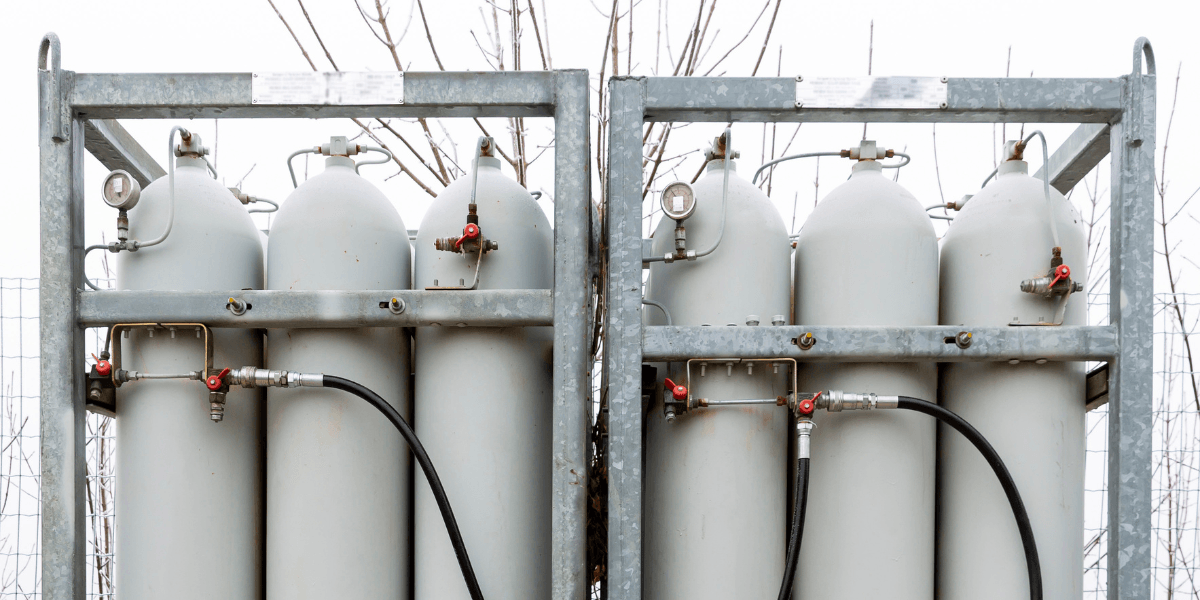
The transition to lower GWP refrigerants is rapidly transforming the HVACR market, but the replacement of technologies doesn't mean the immediate disappearance of the fluids used in existing systems. The case of R-410A illustrates this well: in the United States, stocks intended for service are still large, despite new equipment now almost entirely switching to A2L refrigerants such as R-32 and R-454B.
However, current availability should not underestimate the long-term problem. With the progressive reduction in HFC production and consumption, refrigerant recovery, recycling, and regeneration will become increasingly important to keep millions of existing systems operational.
Transitioning new equipment does not eliminate the need for R-410A
In the United States, the transition to A2L refrigerant equipment is well underway. As of June 2026, according to data reported by HARDI, A2L systems accounted for 99% of ducted equipment sales, while only a small portion of the market continued to use R-410A.
However, the installed fleet will continue to require maintenance for many years. Compressors, heat exchangers, and other components can be replaced without necessarily decommissioning the entire equipment, thus maintaining a demand for refrigerant for service.
The U.S. market is currently not experiencing a widespread shortage: nearly 80% of surveyed distributors reported R-410A inventories meeting or exceeding their targets ahead of the summer season.
However, the situation may gradually change. The reduction in the supply of virgin HFCs may lead to:
- increased price volatility;
- differences in availability between markets and territories;
- increasing use of recovered refrigerant;
- greater attention to loss management;
- greater economic value of the fluid present in decommissioned plants.
Today's availability therefore does not necessarily represent that of the coming years.
Recovering refrigerant becomes a resource for service
The real question is what will happen when the quantities of available virgin HFCs decrease further.
In the United States, the phase-down under the AIM Act will bring permitted HFC production and consumption to 30% of the baseline level by 2029. Under this scenario, an increasing portion of maintenance needs will have to be met from existing stocks and reclaimed refrigerant.
The principle is also relevant for the European market . The F-Gas Regulation 2024/573 assigns an increasingly important role to reclaimed and recycled gases, providing specific exemptions for their use for the maintenance of existing equipment even as the use of virgin refrigerant is progressively limited.
For the sector, this means considering recovered refrigerant no longer as a simple waste to be managed, but as a technical and economic resource .
When a system is replaced or decommissioned, correctly recovering the fluid allows for:
- avoid direct emissions into the atmosphere;
- reintroduce refrigerant into the regeneration circuit;
- increase future availability for maintenance;
- reduce the need for new virgin refrigerant;
- contain exposure to future price changes.
Recovery thus becomes an integral part of the sector's transition strategy.
Maintenance of the existing fleet will accompany the transition for years
For installers and maintenance technicians, the transition to new refrigerants does not mean working exclusively with new-generation technologies .
For several years, systems with traditional HFCs, A2L systems, and equipment with natural refrigerants will coexist, creating an increasingly diversified service market.
This evolution will require specific skills in managing different fluids, as well as greater attention to recovery procedures. Every kilogram of refrigerant lost during maintenance or decommissioning represents a quantity that cannot be regenerated and used later.
In Europe, the issue will become even more relevant as we approach the upcoming F-Gas deadlines . From 1 January 2032 , for example, for the maintenance of stationary refrigeration – excluding chillers – the use of fluorinated gases with a GWP equal to or greater than 750 will be prohibited, except for the use of reclaimed or recycled refrigerants under the conditions set out in the Regulation.
The transition is therefore not just about which refrigerant to use in new plants. A key challenge will be sustainably managing existing assets, reducing losses and building an efficient recovery and regeneration chain.
The case of R-410A illustrates this dynamic well: today the refrigerant is still available, but in the long term its use for service will increasingly depend on the industry's ability to recover and valorize what is already in circulation.

Related Focus

FAQ – Domande frequenti
Yes. In markets where there is still a large installed base, R-410A continues to be used for servicing existing equipment. Its future availability, however, will increasingly depend on the reduction of virgin HFCs and the amount of refrigerant recovered and reclaimed.
The HFC phase-down is gradually reducing the amount of virgin refrigerant available on the market. Recovering the fluid from systems allows it to be regenerated and reused for maintenance, simultaneously reducing emissions and the need for new production.
Recycled refrigerant undergoes a basic treatment process to be reused under specific conditions, generally within the operations of the company that recovered it. Regeneration, on the other hand, involves a more thorough treatment process to restore the refrigerant to defined quality specifications, making it available again for the service market.
