




Natural refrigerants: temperature monitoring must also evolve
Switching to CO₂ and ammonia requires reviewing sensors, calibration, alarm thresholds, and cold room mapping.
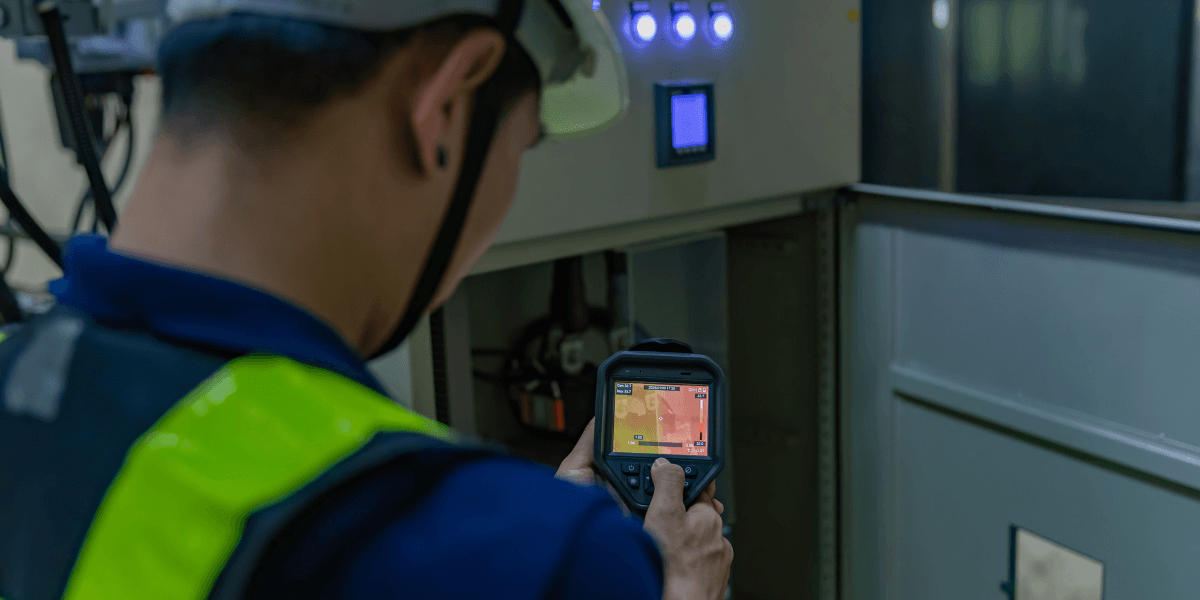
The transition from fluorinated refrigerants to natural solutions like CO₂ and ammonia doesn't just change the architecture of the refrigeration system. It also changes the cell's thermal profiles, air distribution, defrost cycles, and the operating conditions to which the sensors are subjected.
For refrigerated warehouses, food processing plants, and pharmaceutical facilities, maintaining the same probe placement, alarm thresholds, and calibration criteria can compromise data reliability. Retrofitting is the ideal time to also verify the entire environmental monitoring system.
New refrigerant, new thermal profiles
Transcritical CO₂ systems operate under different operating conditions than HFC systems and may adopt more frequent defrost cycles or different temperature recovery curves. A probe positioned based on the behavior of the old system could therefore be more exposed to the thermal impulses of defrost or be located in an area no longer representative of the average room temperature.
Even switching to low-load ammonia systems, possibly combined with secondary CO₂ circuits, can alter evaporator configurations and airflows. For this reason, proper probe operation should not be taken for granted after the retrofit: it is important to ensure they are still installed in significant locations, away from doors, coils, and air supply and return vents.
Calibration and alarm thresholds to be checked
Calibration shouldn't be considered an activity to be performed only upon initial installation. Thermal cycling, humidity, and vibration can gradually alter sensor response, making specific checks necessary after the new system is commissioned.
A control protocol may include:
- a new mapping of temperatures and air flows;
- checking the positioning of the probes;
- comparison with a traceable reference instrument;
- an initial check and a second check after the first few weeks of operation;
- updating alarm thresholds and delays.
Previously set thresholds could in fact generate false alarms or fail to promptly detect a real anomaly. They must therefore be validated by considering the new defrost cycles and the actual times required for the cell to return to the expected temperature.
Integrated monitoring for quality and safety
In the food and pharmaceutical supply chains , inaccurate data can undermine the documentation used to demonstrate proper storage conditions. The transition to natural refrigerants must therefore also include a review of the acquisition platform, recording frequency, and alarm management procedures.
Furthermore, in ammonia systems, gas monitoring must be integrated into the overall control and safety strategy. The choice of detectors must be compatible with the actual ambient temperatures, especially in subzero areas, where not all detection technologies maintain the same performance.
Upgrading the refrigerant without revising the monitoring system can therefore leave a gap in system management. Sensors, calibration, thresholds, and operating procedures must evolve alongside refrigeration technology to ensure product quality, safety, and data reliability.

Related Focus



FAQ – Domande frequenti
The new system may modify the air distribution, the position of the evaporators, and the temperature profiles of the cell. The probes must therefore be checked to ensure they measure an area that is truly representative of the storage conditions.
It's advisable to perform a check immediately after commissioning the new system and repeat it after the first few weeks of operation. This allows you to identify any deviations due to the new operating conditions.
Not necessarily. CO₂ or ammonia systems may have different defrost cycles and recovery times. The thresholds and related delays must therefore be verified based on the actual behavior of the new system.
